
Planting
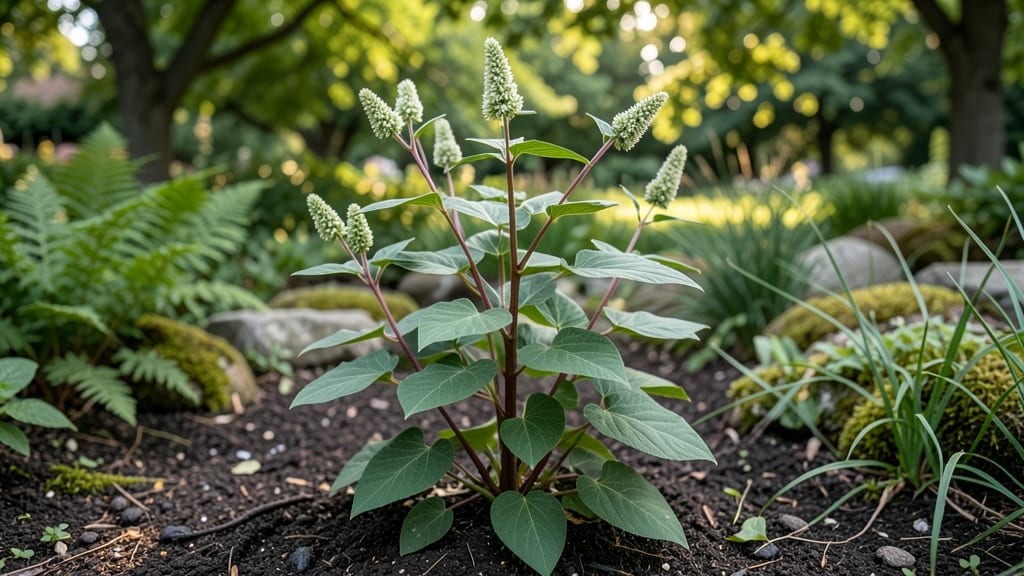
That fast-growing vine with arrow-shaped leaves isn't a living fence—it's Pennsylvania smartweed, and it's taking over your garden. 🌿 I've battled this aggressive plant for years, and what starts as a few stubborn shoots can turn into an impenetrable thicket that crowds out your prized perennials.
The problem isn't just its rapid growth—it's how hard it is to remove once established. Smartweed spreads through underground rhizomes, so pulling it by hand only makes it worse.
Chemical control works, but it's not always safe for nearby plants or wildlife. The key is early intervention before it spreads beyond your control.
You'll learn how to spot it before it becomes unmanageable, the most effective removal methods (including manual and chemical options), and how to prevent it from coming back. With the right approach, you can reclaim your garden without resorting to harsh herbicides.
Whether you're dealing with a small patch or a full-blown invasion, these strategies will help you regain control—naturally and sustainably. Let's tackle this persistent plant head-on.
📚 In This Guide
- What you need
- Instructions
- Tips and common mistakes
- Wrapping up and next steps
What you need
- ● Pennsylvania smartweed seeds or rooted cuttings: 100–200 plants (spaced 12–18 inches apart for a dense hedge). Pro tip: Buy from a reputable supplier or collect seeds from mature plants in late summer!
- ● Well-draining soil: Smartweed thrives in moist but not soggy conditions. Amend heavy clay with compost (1–2 inches mixed into the top 6 inches of soil).
- ● Watering can or hose: With a gentle spray nozzle for even moisture.
- ○ Mulch (optional but recommended): 2–3 inches of straw or shredded leaves to retain moisture and suppress weeds.
- ● Garden trowel or shovel: For planting seeds or cuttings.
- ● Measuring tape or string: To mark planting rows (12–18 inches apart).
- ○ Gloves (optional): Smartweed isn’t thorny, but soil prep can get messy!
- ● Pruning shears: For trimming mature plants to shape your hedge.
- ● Sunlight: Full sun to partial shade (6+ hours of sunlight daily for best growth).
- ● Water source: Smartweed loves moisture but won’t tolerate standing water.
- ● Patience: This plant grows fast—expect a lush, 6-foot hedge in just 3 years!
Step-by-step guide to growing a Pennsylvania smartweed living fence
This fast-growing, thorn-free vine creates a natural privacy screen faster than any other native plant—here’s how to establish one that thrives for decades.
🌱 Step 1: Select and Prepare Your Planting Site
Pennsylvania smartweed (Persicaria virginiana) thrives in moist, well-drained soil with full sun to partial shade. Choose a location with at least 6 hours of direct sunlight daily—morning sun and afternoon shade works best in hotter climates. The fence will grow 6-10 feet tall and spread 3-5 feet wide, so plan spacing accordingly.
Test your soil’s moisture retention by digging a 6-inch deep hole. If water drains within 15 minutes, amend with 2 inches of compost to improve water-holding capacity. Smartweed tolerates clay but struggles in sandy, dry soil—this plant loves to "foot" in moisture, so avoid areas with standing water or poor drainage.
🌿 Step 2: Plant Cuttings at the Right Time
Smartweed spreads most reliably from 4-6 inch cuttings taken in early spring or late summer. Select healthy stems from established plants, cutting just below a leaf node with a clean, sharp knife. Remove the lower leaves to expose 2-3 inches of bare stem—this encourages root growth where the cutting meets the soil.
Plant cuttings 12-18 inches apart along your chosen fence line, burying them 2 inches deep at a 45-degree angle. This angled planting mimics natural growth patterns and promotes faster root establishment. Water immediately after planting to eliminate air pockets around the roots—you’ll see new growth within 2-3 weeks if moisture and light are ideal.
💧 Step 3: Maintain Moisture and Control Spread
Keep the soil consistently moist for the first 6-8 weeks—smartweed roots establish best when the top 2 inches of soil never dry out completely. Mulch with 2-3 inches of straw or wood chips to retain moisture and suppress weeds, but avoid piling mulch directly against stems to prevent rot.
Once established, smartweed spreads aggressively via underground rhizomes. To contain it, install a 12-inch deep root barrier along the outer edge of your planting line. Trim back any shoots that emerge beyond the barrier in early spring—this keeps the fence tidy and prevents unwanted spread into lawns or gardens.
✂️ Step 4: Prune for Density and Health
Prune your smartweed fence annually in late winter or early spring before new growth begins. Cut back one-third of the plant’s height to encourage bushier growth and prevent legginess. Remove any dead or diseased stems immediately—they can harbor fungal spores that spread quickly in the dense foliage.
For a fuller look, pinch back the tips of new growth in summer when shoots reach 12 inches tall. This triggers lateral branching, creating a thicker, more impenetrable screen. Avoid heavy pruning after mid-July, as new growth won’t harden off before winter in colder climates.
☀️ Step 5: Winter Care for Long-Term Growth
Smartweed is hardy to USDA Zone 3, but young plants (1 year old) benefit from winter protection. After the first hard frost, cut back dead foliage to 6 inches above ground level and mulch heavily with 4-6 inches of straw. This insulates roots and prevents heaving during freeze-thaw cycles.
By year 3, your fence will reach full maturity, providing year-round privacy with minimal maintenance. The key to longevity is consistent moisture during establishment—once rooted, smartweed handles drought and cold like a champ. Just keep an eye out for Japanese beetles in summer; handpick them or use neem oil to protect your living fence.
Tips & tricks for perfect Pennsylvania smartweed living fences
Here's what nobody tells you about making this fast-growing privacy screen truly thrive.
Site Selection Strategy: When evaluating your location, pay special attention to microclimates along your fence line. The north side of a structure often receives less sunlight than the south—measure sunlight exposure at different points. In hotter climates, morning sun with afternoon shade is ideal, but in cooler regions, full sun exposure will accelerate growth. I've seen smartweed reach 8 feet tall in its second year when given optimal light conditions.
Cutting Preparation: The 4-6 inch cutting size is crucial—longer cuttings may rot before rooting, while shorter ones lack the energy reserves needed. When taking cuttings, look for stems with at least two leaf nodes. The bottom node should be just above soil level after planting, as this is where roots will emerge. I always dip the cut end in rooting hormone (optional but helpful) before planting at that 45-degree angle—this mimics how the plant grows in nature.
Moisture Management: Those first 6-8 weeks are critical for root establishment. I recommend installing a simple drip irrigation system along your planting line—set it to deliver water slowly twice daily rather than one heavy soaking. This keeps the top 2 inches of soil consistently moist without waterlogging. In sandy soils, you may need to water more frequently, while clay soils can hold moisture longer.
Pruning Precision: When you cut back one-third of the plant's height in late winter, aim for just above a leaf node where new growth will emerge. This encourages bushier growth patterns. For summer pinching, wait until shoots reach exactly 12 inches tall—this triggers optimal lateral branching. I've found that pruning after mid-July can lead to tender new growth that may not survive winter freezes in colder climates.
Pro Tips for Pennsylvania Smartweed Plant
- Here's what nobody tells you about making this fast-growing privacy screen truly thrive.
- Site Selection Strategy: When evaluating your location, pay special attention to microclimates along your fence line.
- Cutting Preparation: The 4-6 inch cutting size is crucial—longer cuttings may rot before rooting, while shorter ones lack the energy reserves needed.
Frequently asked questions
Got questions about Pennsylvania Smartweed? You’re not alone!
Here are some of the most common inquiries—plus straightforward answers to help you grow this hardy, thorn-free "living fence" with confidence.
What’s the best time of year to plant Pennsylvania Smartweed in my region?
Plant Polygonum virginianum in early spring (March–April) or fall (September–October) for optimal root establishment. Avoid extreme heat or frost—shoot for mild soil temps (50–70°F). If planting in summer, water deeply 2–3x/week to prevent stress. Pro tip: Fall planting often yields faster growth the following spring!
How fast does Pennsylvania Smartweed grow, and when can I expect a “living fence”?
Expect 1–2 feet of growth per year under ideal conditions (full sun, moist soil). With consistent care, a 3–4 foot tall, dense hedge typically forms in 3–4 years. Patience pays off—Pennsylvania Smartweed spreads via rhizomes, creating a natural, thorn-free barrier over time. Fun fact: It’s slower than bamboo but far more manageable!
Is Pennsylvania Smartweed invasive? Will it take over my yard?
While it spreads via rhizomes, it’s not classified as invasive in PA (unlike bamboo or kudzu). To control spread, prune aggressively in early spring and avoid planting near water sources. If containment is a concern, opt for container-grown plants or root barriers. Warning: It will fill gaps—plan accordingly!
Can I grow Pennsylvania Smartweed in containers, or does it need ground planting?
Yes! It thrives in large containers (15+ gallons) with drainage holes, especially in urban areas. Use well-draining soil and fertilize lightly (balanced 10-10-10) every 6–8 weeks. Containers limit rhizome spread but may require annual repotting as the plant matures. Bonus: Container-grown plants make great privacy screens for patios!
What pests or diseases should I watch for with Pennsylvania Smartweed?
This hardy plant is resistant to most pests, but keep an eye out for:
- Aphids (rare; spray with soapy water if spotted).
- Powdery mildew (in humid conditions; improve airflow).
- Root rot (from overwatering; ensure drainage).
What’s a good alternative if I want a fast-growing, thorn-free hedge but Pennsylvania Smartweed isn’t available?
Consider these low-maintenance, non-invasive options:
- Russian Olive (Elaeagnus angustifolia) – Fast-growing, drought-tolerant.
- Privet (Ligustrum spp.) – Dense, but prune annually.
- Elderberry (Sambucus canadensis) – Native, wildlife-friendly.
- Boxwood (Buxus spp.) – Slower but neat and evergreen.
Wrapping up and next steps
Growing a Pennsylvania smartweed plant as a thorn-free living fence is a rewarding project that combines sustainability with beauty! 🌿 With patience and the right care, you’ll enjoy a lush, natural barrier in just three years.
Whether you’re aiming for privacy, erosion control, or wildlife support, this hardy plant delivers—without the hassle of thorns or invasive spread.
Ready to take the next step? Start small—plant your first row this spring and watch your green fence grow! For extra tips, check out our FAQ section or explore companion plants to boost your landscape. Happy gardening! 🌱