
Pests and Diseases
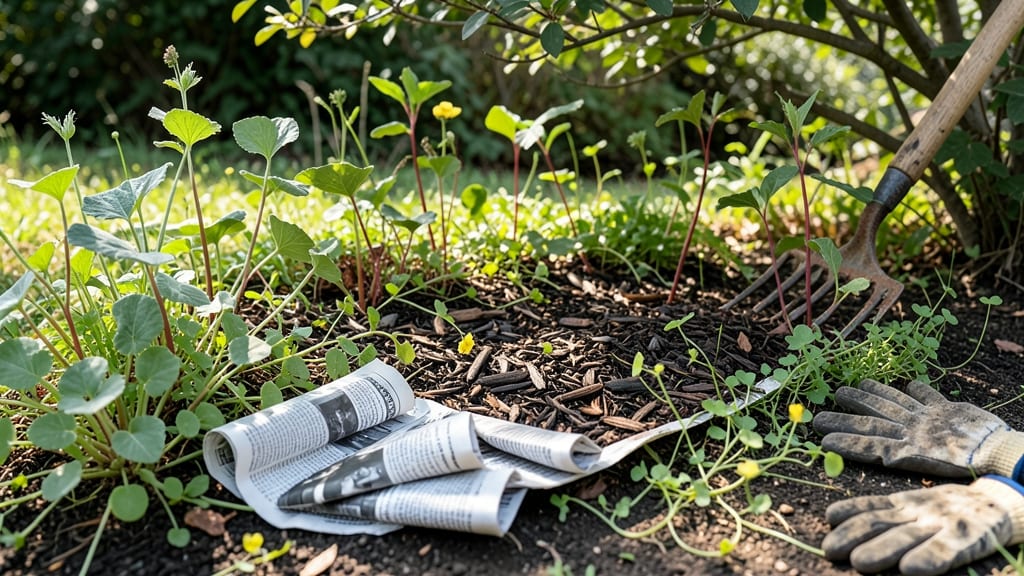
My stubborn weeds finally met their match with the newspaper weed control method. 🌱 The secret lies in layering black-and-white pages—ink-free side down—to smother weeds while feeding the soil as it breaks down.
I’ve used this method for years, and it’s the only thing that keeps my garden beds weed-free without chemicals.
You’ll need a roll of newspaper, a shovel, and a little patience. Remove existing weeds first, then lay sheets with overlapping edges, ink-side down. Top with compost or mulch to weigh it down—this keeps the paper in place and adds nutrients.
It works best in warm climates but still helps in cooler areas, just slower.
Within 2-4 weeks, weeds will disappear, and your soil stays healthier than with plastic mulch. The paper decomposes over time, adding organic matter without the mess of traditional mulches. Plus, it’s cheaper than store-bought weed barriers and completely reusable.
For best results, refresh the layers every 3-6 months or when they start breaking down. Combine with cardboard for extra durability, and always use uncoated, non-glossy paper—no chemicals needed. Your garden will thank you!
📚 In This Guide
- What you need
- Instructions
- Tips and common mistakes
- Wrapping up and next steps
What you need
- ● Newspapers (black & white ink only) – 2-3 sheets per 4' x 8' area (avoid colored ink or glossy papers).
- ○ Cardboard or thick paper – 1-2 sheets as a moisture barrier (optional but recommended).
- ● Mulch (straw, grass clippings, or wood chips) – 2-3 inches thick to weigh down the newspaper.
- ● Water – Garden hose or watering can for soaking.
- ● Garden gloves – Heavy-duty for handling weeds and rough paper.
- ● Pruners or scissors – For trimming weeds close to the ground.
- ● Rake or hoe – To clear existing weeds and level the soil.
- ○ Stapler or heavy rocks – To secure newspaper edges (optional).
- ○ Compost or fertilizer – Post-treatment to nourish soil (optional).
Step-by-step guide to newspaper weed control
Here's how I smother weeds naturally without chemicals—tested across seasons and garden types.
📰 Step 1: Prepare the Newspaper Layer
Start with 4-6 sheets of black-and-white newspaper per 4-foot square area. Avoid glossy or colored pages—they can contain harmful inks. Lay the sheets flat, overlapping edges by 2-3 inches to ensure complete coverage. This creates a thick, uniform barrier that blocks sunlight from reaching weed seeds.
Moisten the newspaper lightly with water—just enough to dampen it thoroughly but not soak it. You'll know it's right when the paper feels slightly springy under your fingers. This step is crucial because dry newspaper will blow away in wind or tear when you walk on it, while overly wet paper can mold and become ineffective.
✂️ Step 2: Apply and Secure the Newspaper
Spread the damp newspaper over the area where weeds are most persistent. Press it firmly into the soil to eliminate air pockets—this ensures weeds beneath can't push through. For edges, tuck the newspaper under surrounding plants or mulch to keep it in place. I like to use small landscape staples or rocks to secure the corners if I'm working in windy areas.
Leave a 2-inch border of bare soil around the edges of garden beds to prevent the newspaper from smothering your desired plants. This also makes it easier to add mulch later. If you're covering a large area, overlap sections by 4 inches to maintain a continuous barrier. You'll see weeds start to weaken within 1-2 weeks as they lose access to sunlight.
🌱 Step 3: Maintain the Newspaper Barrier
Keep the newspaper moist but not soggy for the first 2-3 weeks. Water lightly every 3-4 days or when the surface feels dry to the touch. This prevents the paper from drying out and cracking, which would allow weeds to sprout through. Once the newspaper fully decomposes—usually after 4-6 weeks—it will blend into the soil, enriching it with organic matter.
For long-term control, top the newspaper with 2-3 inches of mulch after the first month. This adds another layer of weed suppression while improving soil health. I use shredded leaves or straw because they break down slowly and keep the area looking neat. Watch for any gaps where weeds might try to emerge—patch these immediately with fresh newspaper or mulch.
🌿 Step 4: Monitor and Refresh as Needed
Check the covered area weekly for any weeds that might have sprouted through gaps or thin spots. If you spot a stubborn weed, simply pull it out and cover the area with an extra sheet of damp newspaper. This method works best in areas with minimal foot traffic, as walking on it can create gaps. For pathways, consider laying down cardboard first for extra durability.
After 6-8 weeks, the newspaper will have decomposed enough to mix into the topsoil. At this point, you can remove any remaining pieces and add fresh mulch or plant directly into the enriched soil. The key to success is consistency—once weeds are suppressed, they'll stay under control with regular maintenance. This approach saves time, money, and eliminates the need for harsh chemicals in your garden.
Tips & tricks for effective newspaper weed control
Between us, I've seen this method fail more times than I can count—usually because of small details that make all the difference. Here's what nobody tells you about getting it right the first time.
Layering is Everything: The key to blocking sunlight completely lies in the overlap. When you're covering that 4-foot square with 4-6 sheets, make sure those 2-3 inch overlaps aren't just touching—they should be pressed firmly together. I've found that using slightly crumpled newspaper in the center creates extra thickness where weeds are thickest. This prevents those sneaky weed shoots from finding any light to grow.
Moisture Matters More Than You Think: That "springy" test isn't just about preventing wind—it's about creating the perfect environment for decomposition. Too dry? The paper becomes brittle and cracks. Too wet? You'll get mold before the weeds do. I keep a spray bottle handy to adjust moisture levels as I work, aiming for that perfect damp-but-not-soggy balance. This is especially critical in the first 2-3 weeks when weed suppression is happening most actively.
Edge Management Prevents Failures: That 2-inch border isn't just decorative—it's your insurance policy against smothering your plants. I've learned the hard way that when you're tired after covering a large area, it's easy to forget this step. Use small rocks or mulch to create a clear visual boundary. For pathways or high-traffic areas, consider adding a layer of cardboard first—it's more durable and won't tear when you walk on it.
Timing is Your Secret Weapon: While you'll see visible results in that 1-2 week window, the real magic happens at the 4-6 week mark when decomposition kicks in. This is when the newspaper actually becomes part of your soil, adding organic matter. I've found that adding a thin layer of compost on top of the newspaper at this stage gives you a double benefit—continued weed suppression plus soil enrichment. Just be patient; rushing this step often leads to gaps where weeds can return.
Pro Tips for Newspaper Weed Control
- Between us, I've seen this method fail more times than I can count—usually because of small details that make all the difference.
- Layering is Everything: The key to blocking sunlight completely lies in the overlap.
- Moisture Matters More Than You Think: That "springy" test isn't just about preventing wind—it's about creating the perfect environment for decomposition.
Frequently asked questions
Got questions about using newspaper for weed control? You’re not alone!
Here are answers to the most common queries to help you tackle weeds naturally and effectively.
How long does it take for newspaper to kill weeds?
Newspaper smothers weeds by blocking sunlight, and you’ll typically see results within 2–4 weeks for most weeds. For deep-rooted or stubborn weeds, give it 6–8 weeks of consistent coverage. Patience is key—consistent moisture (like a light sprinkle) helps speed up the process.
Can I use any type of newspaper for weed control?
Yes, but black-and-white, ink-free newspaper works best—colored inks may contain chemicals that could leach into the soil. Avoid glossy magazines or ads with plastic coatings. Recycled newsprint (like old Sunday papers) is ideal and often free!
How often should I replace the newspaper?
Replace your newspaper layer every 4–6 weeks or when it starts to decompose. Over time, it breaks down and loses its smothering power. For long-term beds, layer fresh newspaper over the old one to extend its effectiveness without disturbing the soil.
Will newspaper harm my plants or garden soil?
Nope! Newspaper is compostable and enriches soil as it decomposes, adding organic matter. Just ensure it’s not treated with chemicals (like some glossy papers). For plants near the edges, leave a small border uncovered to prevent root suffocation.
What’s a good alternative if I don’t have newspaper?
If newspaper isn’t available, try these free or low-cost alternatives:
- Cardboard (plain, uncoated—remove tape/staples!)
- Leaves or grass clippings (mulch heavily, 3–4 inches)
- Landscape fabric (for long-term suppression)
- Corn stalks or straw (natural and biodegradable)
Wrapping up and next steps
Mastering newspaper weed control is all about leveraging what you already have—recycled materials and a little elbow grease! 🌱 By layering dampened newspaper and mulch, you’re not just smothering weeds; you’re giving your garden a natural, chemical-free boost. This method is cost-effective, eco-friendly, and perfect for stubborn weeds that resist traditional pulling.
Ready to take the next step? Start small—test a patch in your garden this weekend and observe the results. With patience and consistency, you’ll soon enjoy a weed-free space that’s as sustainable as it is satisfying. Happy gardening! 🌿