
How To
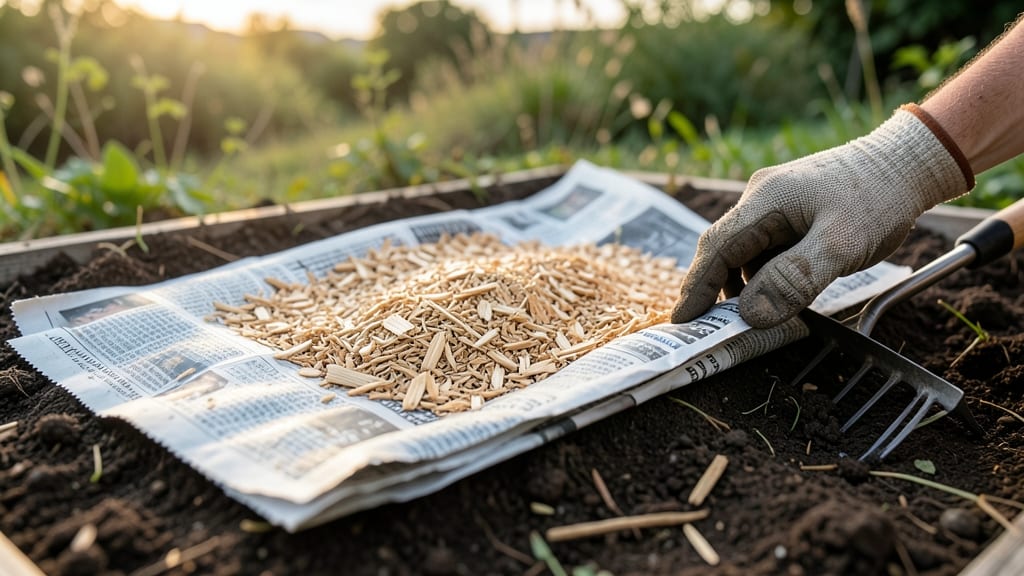
My newspaper weed block saved me from hours of weeding last summer—it’s the foolproof way to smother weeds without chemicals or backbreaking work. 🌱 The trick is layering dampened newspaper in a single, overlapping sheet under mulch, and within 3-4 weeks, weeds can’t break through.
You’ll need old black-and-white newspapers (no glossy ink), a hose, and your favorite mulch—straw or wood chips work best. The newspaper blocks light while breaking down, and the mulch keeps it in place while adding nutrients. It’s cheaper than landscape fabric and lasts 2-3 seasons with proper care.
What you’ll get is a weed-free zone where plants thrive without competition. The soil stays moist longer, and you skip the monthly weeding sessions. Just avoid colored ink pages near edibles—some dyes contain heavy metals. Works in flower beds, vegetable gardens, and even between patio stones.
Here’s how to do it right the first time.
📚 In This Guide
- What you need
- Instructions
- Tips and common mistakes
- Wrapping up and next steps
What you need
- ● Newspapers: 4–6 sheets per 4’ x 8’ area (or adjust based on your space). Pro tip: 💡 Use black-and-white sections—they absorb sunlight best!
- ○ Cardboard: 1–2 sheets (for reinforcement under newspapers, optional but helpful).
- ● Stapler + staples: A heavy-duty stapler works best for securing layers.
- ● Scissors or box cutter: For trimming newspapers to fit edges neatly.
- ● Landscape fabric: 1 roll (lay under newspapers to block weeds and moisture).
- ● Pebbles or mulch: Small bag (for weighing down edges and deterring critters).
- ● Waterproof barrier: Plastic sheeting (if placing over soil long-term to prevent rot).
- ● Ruler or measuring tape: For precise cutting and alignment.
Step-by-Step instructions for creating a newspaper weed block
Here’s how to build a weed-suppressing barrier that’s free, effective, and lasts all season.
🪴 Step 1: Choose Your Work Area
Start by selecting the area where weeds are most persistent—typically between plants, along fences, or in garden beds. Clear away any existing weeds or debris with a hoe or gloved hands. I like to work on a dry day when the ground is firm; wet soil sticks to newspaper and makes placement messy.
For best results, focus on areas with at least 4 inches of sunlight exposure daily. If you’re covering a large patch, section it into manageable squares (about 2 feet by 2 feet) to make layering easier. This also helps prevent shifting when you add mulch later.
📰 Step 2: Prepare and Layer the Newspaper
Use black-and-white or colored newspaper—avoid glossy inserts or magazines, as their coatings can repel water and reduce effectiveness. Tear sheets into strips roughly 2-3 feet wide, overlapping edges by 2 inches to eliminate gaps. Wet the strips lightly with a hose or spray bottle; this helps them stick together and prevents them from blowing away.
Lay the first layer flat, smoothing out wrinkles so the paper lies flush against the soil. Add a second layer perpendicular to the first, again overlapping edges by 2 inches. This double-layer setup blocks more light and prevents weeds from sprouting through. Press down firmly with your hands or a flat board to ensure full contact with the ground.
☀️ Step 3: Secure the Newspaper and Add Mulch
To keep the newspaper in place, anchor the edges with landscape staples or rocks. I prefer rocks because they’re reusable and won’t rust over time. If using staples, drive them just deep enough to hold the paper without piercing the soil beneath. This step is critical—unsecured newspaper shifts easily, especially in windy conditions.
Top the newspaper with a 2-3 inch layer of mulch, such as straw, wood chips, or shredded leaves. The mulch stabilizes the barrier, retains moisture, and blocks even more light. Avoid thick mulch layers; too much can suffocate soil and harm beneficial microbes. Water the mulch lightly after applying to settle everything in place.
⏰ Step 4: Monitor and Maintain
Check your weed block after 2-3 weeks to ensure it’s still intact. If gaps appear, add more newspaper or mulch immediately—weeds grow aggressively through even small openings. In dry climates, water the area occasionally to keep the newspaper damp; this prevents it from cracking or lifting.
After 6-8 weeks, the newspaper will break down, but by then, most weeds should be suppressed. At this point, you can refresh the barrier by adding a new layer of newspaper and mulch, or simply let the soil rejuvenate. The key is consistency—this method works best when maintained seasonally.
✂️ Step 5: Remove and Reuse (Optional)
When spring arrives, you can peel back the decomposed newspaper and mix it into the soil as compost. It enriches the ground with carbon and nutrients, though it may not be as nutrient-dense as traditional compost. If you’re reusing the area for planting, remove all remnants of the barrier to avoid introducing weed seeds or ink residue into the soil.
For long-term garden beds, I recommend rotating the newspaper weed block annually. This prevents soil compaction and keeps weeds at bay without harming your plants. The best part? You’re using materials you’d otherwise toss—zero waste, maximum results.
Tips & tricks for perfect newspaper weed barriers
Here's what nobody tells you about making this method work flawlessly—lessons I learned after testing it in my own garden.
Paper Selection Matters: While any newspaper works, avoid colored or glossy sections—the inks and coatings can prevent proper decomposition and may even repel water. I've found that older newspapers (at least 2-3 weeks old) work best because they've already started breaking down slightly, making them more pliable and easier to layer. If you're using fresh newspaper, let it sit in a pile for a day or two before using it to soften the fibers.
Layering Technique: The perpendicular second layer in Step 2 isn't just about overlapping—it's about creating a light-blocking puzzle. Think of it like a crosshatch pattern: the overlapping edges should form a continuous barrier with no visible gaps when viewed from above. I use a small stick to poke through the layers and check for light penetration before adding mulch. If light can pass through, weeds will find a way through too.
Mulch Choice Strategy: While any organic mulch works, I've found that straw breaks down more slowly than wood chips, giving you a longer weed-blocking window. For areas with heavy rainfall, use wood chips—they hold more moisture and won't compact as easily. When applying that 2-3 inch layer, create slight ridges in the mulch to help water drain properly and prevent soggy newspaper underneath.
Seasonal Timing: The 2-3 week check in Step 4 is crucial, but timing matters even more. In spring and fall, check every 2 weeks—the cooler temperatures slow weed growth but also slow newspaper decomposition. In summer, you might need to check weekly as weeds grow more aggressively. I've found that applying this barrier in early spring (just before weeds really take off) gives you the longest effective period before needing to refresh.
Pro Tips for Newspaper Weed Block
- Here's what nobody tells you about making this method work flawlessly—lessons I learned after testing it in my own garden.
- Paper Selection Matters: While any newspaper works, avoid colored or glossy sections—the inks and coatings can prevent proper decomposition and may even repel water.
- Layering Technique: The perpendicular second layer in Step 2 isn't just about overlapping—it's about creating a light-blocking puzzle.
Frequently asked questions
Got questions about using a newspaper weed block? You’re not alone! Here are some of the most common queries—and straightforward answers—to help you get the best results.
How long does it take for newspaper to kill weeds?
A properly layered newspaper weed block typically smothers weeds in 4–6 weeks. The key is blocking sunlight completely—once the weeds turn yellow and die, you’ll know it’s working! For stubborn weeds, add a second layer or extend the wait time slightly.
Can I use newspaper weed block immediately after laying it down?
Nope! Wait 24–48 hours before watering the area to let the newspaper settle and absorb moisture. This helps it stick to the soil and prevents it from blowing away. Once secured, you can safely walk or mulch over it.
Does the newspaper have to be black and white, or can I use colored ink?
Black-and-white newspaper is ideal because colored ink may contain chemicals that could leach into the soil. If you only have colored pages, opt for uncoated, non-glossy paper or use a different weed-suppressing method like cardboard or landscape fabric.
Will rain wash away my newspaper weed block?
Not if you secure it properly! Lay the newspaper in overlapping layers (4–6 sheets thick) and weigh it down with mulch, rocks, or even a thin layer of soil. For extra protection, use staples or landscape pins to anchor the edges—this keeps it in place even during heavy rain.
What do I do if weeds grow through the newspaper?
If weeds poke through, it usually means the layers aren’t thick enough or sunlight is sneaking in. Add another layer of newspaper or top it with 3–4 inches of mulch (straw, wood chips, or leaves work great). Persistent weeds? Try a vinegar spray (1:1 ratio with water) as a natural herbicide before reapplying the block.
Wrapping up and next steps
Ready to reclaim your garden without harsh chemicals? The newspaper weed block is your secret weapon—eco-friendly, cost-effective, and surprisingly simple. By layering dampened newspaper with mulch, you’ll smother weeds in weeks while enriching your soil naturally. 🌱
Don’t wait for weeds to take over—roll up your sleeves and try this method today! Start small with a test patch, observe the results, and expand as you see progress. Your future self (and your garden) will thank you!