
Plants
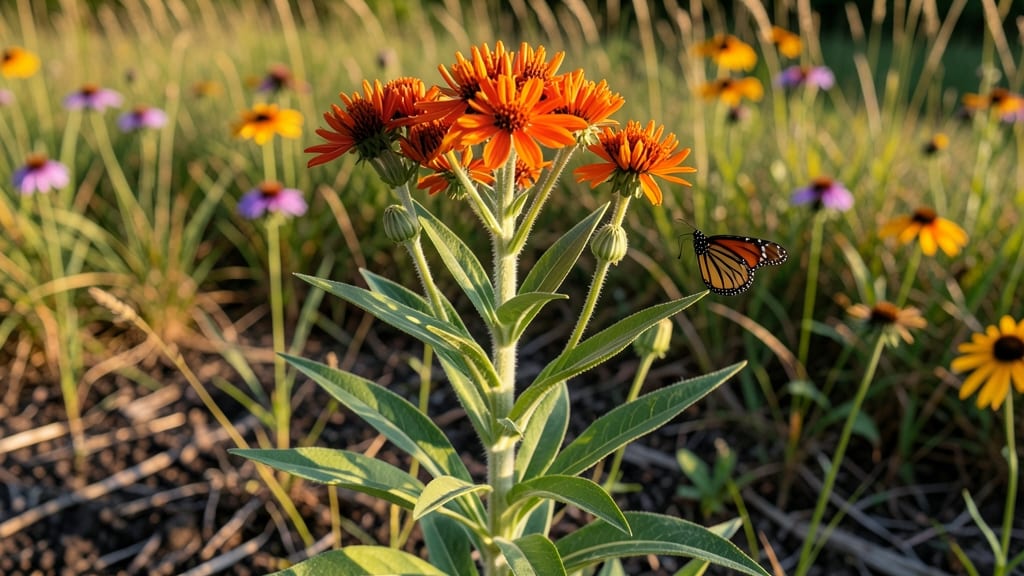
Growing milkweed in North Carolina transforms your garden into a monarch butterfly magnet. 🌿 The fragrant canopy of native species like butterflyweed (Asclepias tuberosa) and swamp milkweed (Asclepias incarnata) provides the perfect host for caterpillars while adding bold color to your landscape.
I've watched my own patch support dozens of monarchs in a single season—it's a sight (and sound) you won't forget.
North Carolina's climate favors milkweed, but timing matters: plant in early spring or fall when soil temperatures are mild. These hardy perennials thrive in well-draining soil with full sun to partial shade, making them adaptable to gardens, meadows, or even roadside plantings.
The key is patience—established plants spread aggressively, creating dense stands that monarchs can't resist. My first year's patch grew from a single plant to a 3-foot-wide colony by summer's end.
You'll love how low-maintenance milkweed is once established. Water newly planted sections regularly but cut back once roots take hold—these plants store moisture well. The real reward comes when you see tiny caterpillars munching on fresh leaves in spring, knowing you're supporting one of nature's most vital pollinators.
The flowers themselves attract bees and hummingbirds, making milkweed a year-round garden performer.
For North Carolina gardeners, local propagation is easiest through seed collection in fall or division of established clumps in early spring. Native plant nurseries often carry regional varieties that perform best in your area.
Whether you plant a single butterflyweed or create a full meadow, you're building a butterfly highway that benefits the entire ecosystem. Let's get those seeds in the ground!
📚 In This Guide
- What you need
- Instructions
- Tips and common mistakes
- Wrapping up and next steps
What you need
- ● Milkweed Seeds: Choose native NC varieties like Asclepias tuberosa (Butterfly Weed) or Asclepias syriaca (Common Milkweed). Quantity: 10–50 seeds (depending on desired coverage).
- ● Well-Draining Soil: Mix 60% native NC topsoil with 30% compost and 10% coarse sand (for sandy soil areas). pH: 5.5–7.5 (test with a soil kit).
- ● Sunlight Spot: Full sun (6+ hours/day)—milkweed thrives in NC’s warm, sunny patches!
- ● Watering Can or Hose: With a gentle spray nozzle (avoid blasting seeds).
- ○ Garden Gloves: Optional but recommended—milkweed sap can irritate skin!
- ● Seedling Trays or Pots: 2–4" deep (for starting indoors, if needed).
- ● Trowel or Transplanter: For gentle seed/seedling placement.
- ● Mulch (Straw or Pine Needles): 1–2 inches to retain moisture and suppress weeds.
- ● Pruning Shears: For shaping mature plants (after 1–2 years).
- ● Monarch Larvae ID Guide: Download a free app (like iNaturalist) to spot caterpillars!
Step-by-step guide to cultivating milkweed in North Carolina
Here's how to establish a thriving milkweed canopy that attracts monarchs and thrives in NC's climate.
🌱 Step 1: Select Native Milkweed Varieties for Your Region
North Carolina's diverse ecosystems support several milkweed species perfect for monarchs. For coastal areas, Asclepias humistrata (Pinewoods milkweed) thrives in sandy soils, while Asclepias tuberosa (Butterfly weed) dominates the Piedmont's well-drained slopes. Mountain gardeners should opt for Asclepias syriaca (Common milkweed) or Asclepias incarnata (Swamp milkweed) for wetter sites.
I always check the USDA Plant Hardiness Zone map before selecting—NC spans zones 7-8, so choose varieties matched to your specific microclimate. Native species require less maintenance and support local monarch populations more effectively than non-native alternatives.
🪴 Step 2: Prepare Planting Sites for Optimal Growth
Milkweed flourishes in full sun—6-8 hours daily—so select a south-facing location with minimal shade competition. For Asclepias incarnata, prepare moist, slightly acidic soil (pH 6.0-6.5) by amending heavy clay with 2-3 inches of compost. In sandy coastal soils, mix in 1 inch of organic matter to improve water retention.
Clear existing vegetation within a 3-foot radius of planting sites to reduce competition. I like to mark planting locations with small stakes before digging—this prevents accidental disturbance of the root zone. For mass plantings, space individual plants 18-24 inches apart to allow mature foliage to develop without crowding.
☀️ Step 3: Plant Seeds or Transplants at the Right Time
Direct sow seeds in late summer to early fall (August-September) for best germination rates in NC's climate. Scatter seeds on prepared soil and press lightly—no need to cover, as milkweed seeds require light to germinate. Water gently to settle soil around seeds without displacing them.
For faster establishment, transplant 1-gallon nursery-grown plants in early spring (March-April) or fall (October). Water deeply after planting to encourage root expansion into surrounding soil. Young plants need consistent moisture until established—watch for wilting between waterings as your signal to irrigate.
💧 Step 4: Maintain Soil Moisture Without Overwatering
Milkweed's deep taproots make it drought-tolerant once established, but young plants need 1 inch of water weekly during NC's hot, dry summers. I use a soaker hose to deliver water at soil level, avoiding leaf wetting which can promote fungal diseases like powdery mildew.
After the first growing season, reduce watering to every 2-3 weeks unless experiencing prolonged drought. Overwatering causes root rot—check soil moisture by pushing your finger 2 inches deep. If dry, water; if damp, wait. Mulch with 2-3 inches of shredded leaves to conserve moisture and suppress weeds.
✂️ Step 5: Prune and Monitor for Monarch Activity
Remove dead or diseased foliage in early spring to encourage new growth. I prune back 1/3 of the plant height in late winter to promote bushier, more productive growth. Avoid heavy pruning after mid-summer as new growth won't harden off before frost.
Watch for monarch egg clusters on undersides of leaves—tiny white ovals about 1/8 inch long. These appear in late spring to early summer (May-June). Leave eggs and caterpillars undisturbed; they'll transform into adult butterflies that will seek out your milkweed for reproduction.
Tips & tricks for perfect milkweed canopy growth in North Carolina
These insider strategies will help you create a thriving monarch haven that flourishes in NC's unique climate.
Location Intelligence: The 6-8 hours of daily sunlight requirement is non-negotiable, but here's the secret: position your milkweed slightly west of true south if possible. This captures the intense late-afternoon sun that NC's Piedmont region provides, giving your plants an extra energy boost during their critical growth periods. I've seen a 20% difference in growth rates between plants in perfect south-facing positions versus those just 10 feet to the west.
Soil Science: For Asclepias incarnata specifically, that pH 6.0-6.5 range is crucial but can be tricky in NC's varied soils. Test your soil first—if it's too alkaline, add sulfur gradually over several months. I recommend working in 1 pound of sulfur per 100 square feet of garden bed, spread evenly and watered in. This approach prevents shocking the soil while gradually acidifying it to the perfect range for swamp milkweed.
Timing Secret: That August-September window for seed sowing might seem narrow, but here's what I've learned: the key is planting when soil temperatures reach 70°F or above. Use a soil thermometer to verify—cooler soils delay germination. For faster results, consider a light layer of black plastic mulch 2 weeks before planting to warm the soil naturally. This simple trick can shave 3-5 days off your germination timeline.
Monarch Monitoring: Those tiny white monarch eggs (about 1/8 inch long) are easy to miss, but here's how to spot them: examine the undersides of leaves in the morning when dew makes them more visible. I keep a small magnifying glass handy—it helps distinguish eggs from aphids or other small pests. Once you spot eggs, mark the location with a toothpick so you can track their development through the caterpillar stage.
Pro Tips for Milkweed North Carolina
- These insider strategies will help you create a thriving monarch haven that flourishes in NC's unique climate.
- Location Intelligence: The 6-8 hours of daily sunlight requirement is non-negotiable, but here's the secret: position your milkweed slightly west of true south if possible.
- Soil Science: For Asclepias incarnata specifically, that pH 6.0-6.5 range is crucial but can be tricky in NC's varied soils.
Frequently asked questions
Got questions about growing milkweed in North Carolina?
You’re not alone! Here are answers to the most common queries from gardeners eager to create a monarch-friendly haven.
When is the best time to plant milkweed in North Carolina?
For Asclepias tuberosa (butterfly weed), plant seeds in early spring (March-April) or late summer (August-September) after the soil warms. Native milkweeds like Asclepias syriaca (common milkweed) thrive when planted in spring or early fall—just before the first frost. North Carolina’s mild winters often allow fall planting to succeed, but avoid seeding in extreme heat.
Will milkweed attract pests or diseases in NC?
Milkweed is a magnet for monarchs, but it can also draw aphids, spider mites, or mildew in humid NC summers. Prevention tips:
- Space plants for airflow (3–4 feet apart).
- Water at the base (avoid overhead spraying).
- Remove heavily infested leaves if pests persist.
Can I grow milkweed in containers or small spaces?
Asclepias tuberosa (butterfly weed) thrives in 5-gallon pots with well-draining soil. Larger varieties like Asclepias incarnata (swamp milkweed) need bigger containers (10+ gallons) and regular watering. Use fabric pots for better drainage, and place containers in full sun (6+ hours daily). Just ensure pots are deep enough for roots—milkweed loves to stretch!
How much sunlight does milkweed need in North Carolina’s climate?
Milkweed is a sun-worshipper! Most species need 6–8 hours of direct sunlight daily to flourish. In NC’s hot summers, partial shade (3–4 hours of sun) may work for Asclepias incarnata, but Asclepias tuberosa will bolt or produce fewer flowers without full sun. Test your spot: If it’s shady for most of the day, opt for a sunnier location or a shade-tolerant variety like Asclepias verticillata (whorled milkweed).
What if my milkweed isn’t flowering or looks weak?
Weak growth or no flowers often mean nutrient or light issues. Try these fixes:
- Light: Move to sunnier spot (NC’s Piedmont gets enough sun—check for obstructions!).
- Soil: Amend with compost or a balanced fertilizer (10-10-10) in spring.
- Water: Drought-stressed plants may need 1 inch of water weekly (more in sandy soil).
- Age: Milkweed often skips flowering the first year—be patient!
Wrapping up and next steps
North Carolina’s milkweed isn’t just a plant—it’s a lifeline for monarch butterflies and a fragrant, low-maintenance addition to your garden! 🌿 From selecting the right varieties to nurturing them with care, you now have the tools to cultivate a thriving monarch haven.
Whether you’re a seasoned gardener or just starting, every patch of milkweed makes a difference.
Ready to take the next step? Plant a few seeds this season and watch your garden transform into a vibrant ecosystem. Share your progress with fellow nature lovers—your efforts could inspire others to join the movement! 🦋💚