
Pests and Diseases
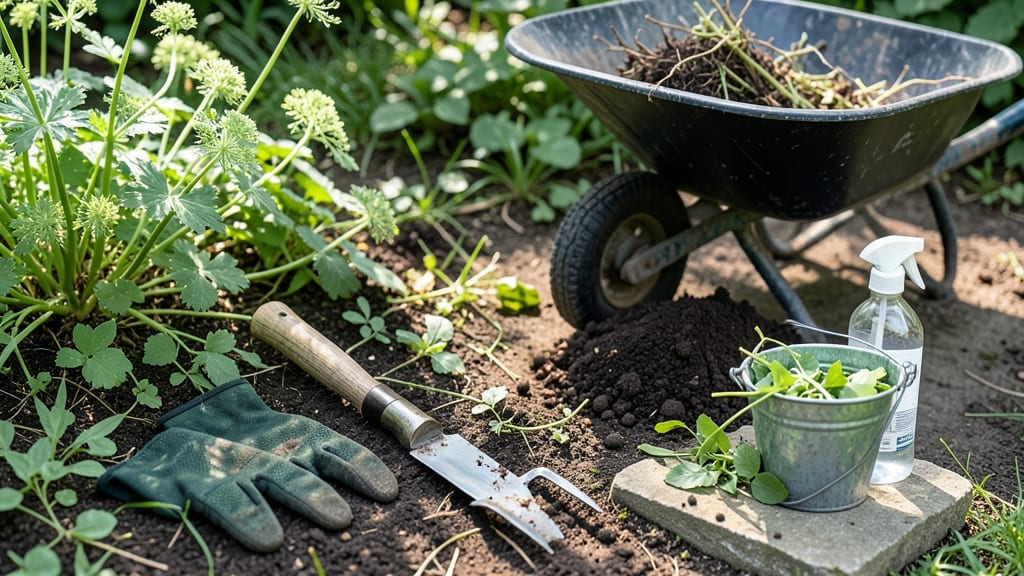
Large leaf weeds in UK gardens are the ultimate test of patience—those stubborn docks and nettles that seem to multiply overnight. 🌿 I’ve spent years battling them, and the key isn’t brute force but smart timing and targeted methods that actually work.
The worst offenders—like broadleaf docks and giant hogweed—can choke out your flowers and veggies if left unchecked, but I’ve found ways to outsmart them without harsh chemicals.
Most gardeners reach for the weedkiller first, but I’ve had better luck with a mix of manual removal (when the soil’s damp), vinegar-based sprays (for tougher leaves), and mulching to starve regrowth.
The trick is consistency—docks, for example, send up new shoots from their roots, so you’ve got to keep at it. UK’s damp climate means weeds thrive, but it also means they’re easier to pull when the ground’s soft after rain.
By the end of this, you’ll have a garden where weeds don’t stand a chance—no more wrestling with nettles or watching docks steal your space. The best part? These methods work for any large-leaved weed, from bindweed to ground elder, and they’re kinder to your soil and local wildlife.
Let’s get those weeds under control for good.
Whether you’re dealing with a small patch or a full-blown invasion, the same principles apply—just adjust the scale. UK-specific tips (like the best times to tackle them based on our weather) will save you hours of frustration. Ready to reclaim your garden?
📚 In This Guide
- What you need
- Instructions
- Tips and common mistakes
- Wrapping up and next steps
What you need
- ● Garden gloves (nitrile or leather, waterproof for comfort and protection) – 1 pair
- ● Pruning shears or loppers (bypass blades, sharp and sturdy for clean cuts) – 1 set
- ● Garden fork or weeding fork (heavy-duty, tines spaced 1.5–2 inches apart) – 1
- ● Weeding knife or dandelion digger (stainless steel, ergonomic handle) – 1
- ● Wheelbarrow or sturdy bucket (20–30 liters, for debris disposal) – 1
- ● Garden twine or burlap sacks (for bundling large weeds) – 1 roll or 2–3 sacks
- ● Garden hose or watering can (with adjustable nozzle for targeted watering) – 1
- ○ Post-emergent herbicide (glyphosate-based, UK-approved for broadleaf weeds) – 1 bottle (500ml–1L) *(optional but effective for stubborn patches)
- ● Kneeling pad (gel or foam, for comfort during long sessions) – 1
- ● Weed torch (propane-powered, for large or overgrown areas) – 1
- ● Compost bin or bags (for repurposing weed-free organic matter) – 1 bin or 5+ bags
- ● Mulch (straw, wood chips, or cardboard) (to smother regrowth) – 10–20 sq ft coverage
- ● Safety goggles (if using herbicides or burning weeds) – 1 pair
- ● Labeling spray (to mark treated areas) – 1 small bottle
Instructions for tackling large-leaf weeds in UK gardens
Here’s how I eliminate stubborn broadleaf weeds—no harsh chemicals, just smart techniques that work.
🌱 Step 1: Identify the Weeds Before You Pull
First, spot the difference between weeds and desirable plants. Large-leaf weeds like groundsel, dock, or buttercup have broad, often jagged-edged leaves. I always check the leaf shape and growth pattern—dock leaves have a distinct arrowhead shape, while buttercups have delicate, lobed foliage. Grab a gardening book or use a free app to confirm before you dig.
Timing matters too. Pull weeds when the soil is moist but not soggy—usually after a light rain or in the early morning. Wet soil makes roots easier to remove, and you’ll avoid disturbing nearby plants. I like to work on cloudy days to prevent stressing the plants I’m keeping.
💧 Step 2: Use the Right Tools for Clean Removal
Skip the fingers—you’ll end up with broken roots and frustrated regrowth. A sturdy hand fork or weeding knife is my go-to for deep-rooted weeds. Slide the tool between the weed and soil, then twist gently to loosen the root ball. For stubborn weeds like bindweed, I dig deeper than I think necessary—those roots can stretch 12 inches underground.
If the weed resists, try a long-handled weeder for leverage. I’ve found that pulling weeds in sections (first the leaves, then the roots) prevents them from snapping off at the surface. Always remove the entire root—even a tiny fragment can sprout again. Toss weeds into a compost bin only if they’re seed-free; otherwise, bag them for disposal.
✂️ Step 3: Apply Mulch to Smother and Prevent Regrowth
After clearing the area, cover the soil with 2-3 inches of organic mulch—straw, wood chips, or cardboard topped with compost. Mulch blocks sunlight, which weeds need to germinate. I prefer cardboard because it breaks down over time, adding nutrients to the soil while suppressing weeds for months. Just make sure it’s unprinted and free of staples or tape.
For bare spots, I sprinkle a thin layer of garden lime or corn gluten meal—both naturally inhibit weed seeds. Reapply mulch every 3-4 months to maintain the barrier. This step cuts my weeding time by 70% in the long run, and the soil stays healthier too.
☀️ Step 4: Maintain Vigilance with Regular Checks
Weeds don’t stay gone forever—check your garden weekly during growing season. I set a reminder on my phone for every Sunday morning, right after watering. Look for tiny sprouts or new leaves poking through mulch or cracks in the soil. The earlier you catch them, the easier they are to pull.
For problem areas like paths or driveways, I’ve had success with boiling water—just pour it directly on weeds like dock or creeping buttercup. The heat kills the plant instantly, and it’s chemical-free. Just avoid using it near desirable plants, as the heat can damage them too.
🪴 Step 5: Strengthen Your Soil to Outcompete Weeds
Healthy plants crowd out weeds naturally. I mix compost or well-rotted manure into the top 2 inches of soil in spring and fall to boost organic matter. This improves drainage and gives your plants the nutrients they need to grow thick and fast, leaving less room for weeds.
Plant ground covers like creeping thyme or ajuga in shady spots—they form dense mats that shade out weeds. In sunny areas, clover or white Dutch clover adds nitrogen to the soil while smothering unwanted growth. A well-planned garden does half the weeding for you!
Tips & tricks for taming stubborn broadleaf weeds
Here's what I wish I knew years ago—these tricks will save you hours of backbreaking work and frustration.
Weed Identification Shortcut: Download a free app like "PlantNet" or "PictureThis" to instantly identify tricky weeds. I snap a photo of the leaf shape and growth pattern, and the app tells me exactly what I'm dealing with—no gardening book needed. This is especially helpful for distinguishing between dock and buttercup, which look similar but require different removal techniques.
The Root Rescue Technique: For weeds with deep roots like bindweed, I've found that a simple garden fork works better than a weeding knife. Slide the fork 12 inches deep along the weed's root path, then gently rock it side to side to sever the root system completely. The key is patience—don't rush this step, or you'll end up with regrowth in weeks.
Mulch Layering Pro Tip: When applying your 2-3 inches of mulch, create a "mulch volcano" around your plants by piling mulch higher at the base and tapering it outward. This creates a natural barrier that keeps weeds from encroaching while protecting your plants' stems. I also like to add a thin layer of corn gluten meal before mulching—it's a natural pre-emergent herbicide that prevents weed seeds from germinating.
Boiling Water Precision: For spot treatment with boiling water, I use a small watering can with a narrow spout. Fill it with freshly boiled water (not reheated tap water) and pour it directly onto the weed's leaves. The water should be so hot it creates steam—this ensures the plant's vascular system is completely disrupted. Just be careful not to splash nearby plants, as the heat can damage them too.
Pro Tips for Large Leaf Weeds Uk
- Here's what I wish I knew years ago—these tricks will save you hours of backbreaking work and frustration.
- Weed Identification Shortcut: Download a free app like "PlantNet" or "PictureThis" to instantly identify tricky weeds.
- The Root Rescue Technique: For weeds with deep roots like bindweed, I've found that a simple garden fork works better than a weeding knife.
Frequently asked questions
Got questions about tackling large leaf weeds in the UK? You’re not alone—these stubborn invaders can be tricky! Here are some of the most common questions homeowners and gardeners ask, along with straightforward answers to help you reclaim your garden.
What are the most common large leaf weeds in the UK?
Large leaf weeds like ground elder, bindweed, Japanese knotweed, and giant hogweed are the usual culprits. Ground elder spreads aggressively with broad, heart-shaped leaves, while bindweed twines around plants with arrowhead-shaped foliage. Always double-check before treating—some, like Japanese knotweed, are invasive and require specialized removal!
How long does it take to fully remove large leaf weeds?
Patience is key! Smaller weeds like ground elder can be controlled in 1-2 seasons with consistent digging and mulching. Persistent invaders like Japanese knotweed may take 3-5 years or more, especially if the root system is deep. Regular monitoring and repeat treatments are essential—don’t expect overnight miracles.
What’s the best way to remove large leaf weeds without chemicals?
Start by smothering the weeds with thick cardboard or black plastic for 6-12 months to block sunlight. Hand-pulling works for ground elder, but wear gloves—giant hogweed sap can cause skin irritation! For bindweed, dig deep to avoid regrowth. Vinegar-based sprays (20% acetic acid) can help, but test on a small area first.
Will large leaf weeds grow back after removal?
Weeds like bindweed and ground elder have tenacious root systems that regenerate if even a small fragment remains. Always inspect the soil for roots or rhizomes after pulling. For stubborn cases, repeat treatments every 4-6 weeks during the growing season. Prevention—like mulching and ground covers—is your best long-term defense.
Are there affordable alternatives to professional weed removal?
Yes! For ground elder or bindweed, a manual approach with a weed torch (rental ~£20-£30/day) or a homemade vinegar spray (white vinegar + dish soap) can save money. DIY smothering with old carpets or newspaper (free!) also works. Only call a pro for Japanese knotweed—it’s illegal to dispose of improperly.
Still stumped? Drop your specific weed type or garden setup in the comments—we’re happy to help tailor a solution!
Wrapping up and next steps
Dealing with large leaf weeds in the UK doesn’t have to be a battle—just a strategic cleanup! 🌱 By identifying them early, using the right tools (like our recommended materials), and staying consistent with removal and prevention, you’ll reclaim your garden’s beauty.
Whether you’re tackling Japanese knotweed or giant hogweed, knowledge and action are your best allies.
Ready to take control? Start small: pick one patch this weekend, follow the steps, and watch your garden thrive! 🌿 Still unsure? Check out our FAQs for extra tips—you’ve got this!