
Flowers
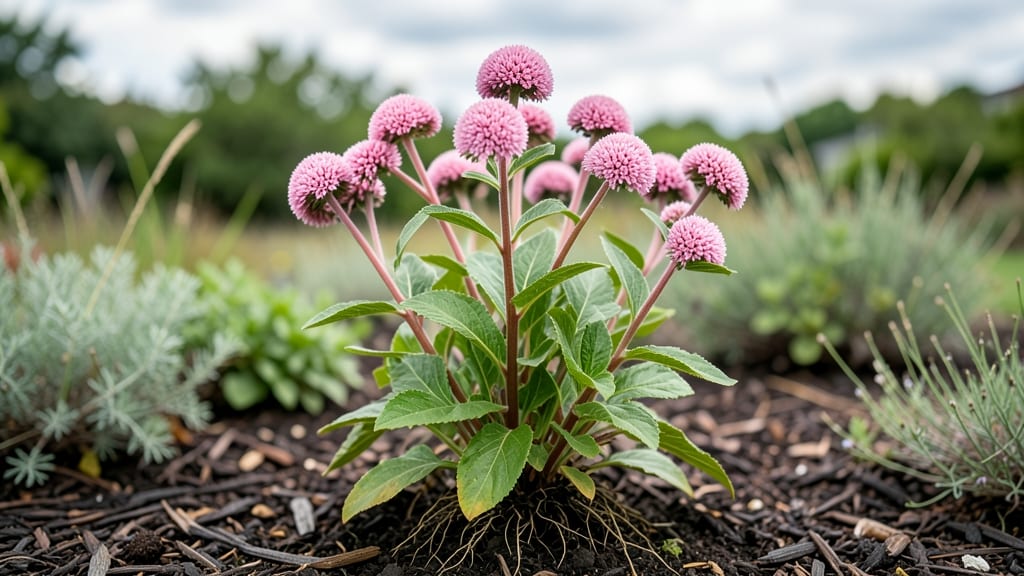
Pink knotweed flowers transform any garden into a fragrant, buzzing paradise—without the invasive reputation. 🌸 I’ve grown these underrated beauties for years, and they’ve become my go-to for adding soft pink clouds to borders, meadows, and even containers.
Their delicate blooms attract bees and butterflies while requiring almost no maintenance once established.
The key to success is planting them where they won’t spread uncontrollably—think well-defined garden beds or wildflower patches with natural barriers. Pair them with lavender, catmint, or yarrow for a cottage-garden feel, or let them mingle with native grasses for a wild, romantic meadow look.
Their late-summer to fall blooming period fills gaps when many perennials have faded.
What you’ll love most is how effortlessly they thrive: drought-tolerant once established, deer-resistant, and fragrant enough to draw you into the garden. The pink hues soften hard edges, while their airy stems create movement in the breeze. Just avoid planting near water sources—they prefer dry to medium moisture.
Perfect for pollinator gardens, low-maintenance borders, or even cutting gardens. Here’s how to integrate them without the worry of invasiveness—once you see them in action, they’ll become a staple in your design rotations.
📚 In This Guide
- What you need
- Instructions
- Tips and common mistakes
- Wrapping up and next steps
What you need
- ● Knotweed pink flower seeds or plants: 1–2 seed packets (or 3–5 young plants) of Persicaria affinis (Japanese knotweed variant with pink blooms) or Persicaria orientalis (for a more delicate look).
- ● Pro tip: Opt for organic, non-GMO seeds for healthier growth! 🌱
- ● Well-draining soil: 5–10 gallons of loamy, slightly acidic soil (pH 6.0–6.5) mixed with compost (1 part compost to 3 parts soil).
- ○ Optional boost: Add a handful of perlite or sand to improve drainage.
- ● Garden tools: 1 trowel or hand shovel
- ● 1 pair of gardening gloves (nitrile or leather)
- ● 1 watering can or hose with a gentle spray nozzle
- ● Sunlight & space: A sunny to partially shaded spot (6+ hours of sunlight daily for best blooms).
- ● Space 12–18 inches apart between plants (they spread! 🌿).
- ● Fertilizer: Balanced 10-10-10 NPK fertilizer (apply lightly at planting and mid-season).
- ● Mulch: Straw or shredded leaves to retain moisture and suppress weeds.
- ● Pest control: Neem oil spray (for aphids or fungal issues).
- ● Support structures: Small stakes or trellises if growing in clusters (though knotweed is naturally upright!).
How to cultivate knotweed pink flowers for a pollinator-friendly garden
Here's my go-to method for establishing a fragrant knotweed canopy that thrives and attracts bees, butterflies, and hummingbirds effortlessly.
🌱 Step 1: Select and Prepare the Planting Site
Knotweed pink flowers (Persicaria affinis) thrive in full sun to partial shade with 6+ hours of direct light daily. Choose a location with well-draining soil—they hate soggy roots but tolerate dry conditions once established. I always test soil pH first; knotweed prefers slightly acidic to neutral (6.0-7.0). If your soil is heavy clay, amend with 2-3 inches of compost mixed into the top 12 inches of soil.
Loosen the soil to a depth of 12 inches with a garden fork, breaking up any compacted layers. This ensures roots can spread freely. Knotweed spreads aggressively, so contain it in a 3-foot diameter circle if you want to control its spread. Mark the area with stakes—you'll thank yourself later when you see the fragrant canopy form without taking over your yard.
☀️ Step 2: Plant at the Right Time and Spacing
Plant bare-root knotweed in early spring (March-April) or early fall (September-October) for best establishment. Space plants 2-3 feet apart in rows 3 feet apart—this gives them room to spread while still creating a dense, pollinator-friendly ground cover. Dig holes twice as wide as the root ball but no deeper; knotweed roots are shallow but extensive.
Place each plant so the top of the root ball sits level with the soil surface. Backfill with native soil mixed with a handful of bone meal (for phosphorus) to encourage strong root growth. Water deeply to settle the soil and remove air pockets. You’ll know it’s right when water drains evenly without pooling.
💧 Step 3: Water and Mulch for First-Year Establishment
Keep the soil consistently moist (not soggy) for the first 6-8 weeks after planting. Water deeply 2-3 times per week—aim for 1 inch of water per week. Knotweed is drought-tolerant once established, but young plants need steady moisture to develop strong roots. I use a soaker hose to deliver water slowly at the base, avoiding wetting the leaves (which can invite fungal diseases).
After the first month, apply a 2-inch layer of organic mulch (straw or shredded leaves) around each plant, keeping it 2 inches away from the stems. Mulch conserves moisture, regulates soil temperature, and suppresses weeds—knotweed’s biggest competition. Replenish mulch annually in early spring to maintain its benefits.
✂️ Step 4: Prune and Maintain for Optimal Growth
Cut back dead or damaged stems in early spring before new growth begins. This encourages bushier, more vigorous plants. If knotweed spreads beyond your desired area, trim back runners in late summer (August-September). Use clean, sharp pruners to avoid tearing stems. Disinfect your tools with rubbing alcohol between cuts to prevent disease spread.
Fertilize lightly in early spring with a balanced, slow-release fertilizer (10-10-10). Apply ½ cup per plant and water thoroughly to activate the granules. Over-fertilizing leads to lush foliage but fewer flowers—knotweed’s pollinator appeal depends on those pink, fragrant blooms appearing reliably. Deadhead spent flowers in late summer to encourage a second flush of blooms.
🌿 Step 5: Encourage Pollinators with Companion Planting
Plant native pollinator-friendly companions around your knotweed to create a thriving ecosystem. Try bee balm, coneflowers, or milkweed—these attract butterflies, bees, and hummingbirds that will visit your knotweed’s nectar-rich flowers. Space companions 18-24 inches away to avoid competition for sunlight and water.
Leave some bare soil or small patches of mulch around the base of plants. Ground-nesting bees (like mason bees) will use these spots to build nests, and your knotweed’s dense canopy provides shelter. Avoid pesticides entirely—knotweed’s pollinator value depends on a chemical-free environment. Even a small patch of knotweed can become a pollinator hotspot within its first growing season.
Tips & tricks for cultivating fragrant knotweed canopies
Here's what I've learned from years of growing knotweed that'll help you create a thriving pollinator haven without the headaches.
Site Selection Secret: The 6+ hours of sunlight requirement is non-negotiable for vibrant blooms, but don't overlook the soil's hidden potential. If your soil tests outside the 6.0-7.0 pH range, adjust with sulfur (to lower pH) or lime (to raise it) before planting. I've seen knotweed struggle in alkaline soils despite perfect sunlight—this adjustment makes all the difference. The 12-inch soil loosening in Step 1 isn't just about roots; it's about creating an oxygen-rich zone where beneficial microbes thrive, which your knotweed will reward with better growth.
Planting Precision: When creating your 3-foot diameter containment circle, use landscape fabric beneath the soil surface—not just on top. This prevents underground runners from escaping while still allowing water and air to penetrate. I mark the circle with landscape staples and fabric first, then plant through pre-cut holes. For the bone meal in Step 2, don't skimp—phosphorus is crucial for root development and flower production. A full handful per planting hole (about 2 tablespoons) gives you that extra boost without risking over-fertilization.
Watering Wisdom: That 6-8 week moist-but-not-soggy window is critical, but don't rely solely on rainfall. I've had seasons where 1 inch per week fell as torrential downpours one day and drought the next. Install a simple rain gauge near your planting area to track accumulation accurately. For the soaker hose in Step 3, run it for 10-15 minutes every other day rather than daily long sessions—this mimics natural rainfall patterns better and prevents soil compaction at the surface.
Pollinator Power-Up: When selecting companion plants in Step 5, prioritize those with different bloom times. For example, pair early-blooming coneflowers with late-summer milkweed to ensure continuous nectar sources. The 18-24 inch spacing recommendation might seem generous, but it prevents competition while creating "flight lanes" for pollinators between plants. I've noticed hummingbirds will use these pathways to navigate between food sources more efficiently.
Pro Tips for Knotweed Pink Flowers
- Here's what I've learned from years of growing knotweed that'll help you create a thriving pollinator haven without the headaches.
- Site Selection Secret: The 6+ hours of sunlight requirement is non-negotiable for vibrant blooms, but don't overlook the soil's hidden potential.
- Planting Precision: When creating your 3-foot diameter containment circle, use landscape fabric beneath the soil surface—not just on top.
Frequently asked questions
Got questions about knotweed pink flowers? You’re not alone! Here are answers to the most common queries—from planting tips to troubleshooting—so you can enjoy this fragrant, pollinator-friendly beauty with confidence.
When do knotweed pink flowers bloom, and how long do they last?
Knotweed pink flowers (like Persicaria affinis or Reynoutria varieties) typically bloom in late summer to early fall (August–October). Their clusters of delicate pink bracts last 4–6 weeks, offering a late-season splash of color. For extended blooms, deadhead spent flowers—though they’re also stunning in dried arrangements!
Are these flowers really great for pollinators?
Pink knotweed flowers
attract bees, butterflies, and hoverflies with their nectar-rich blooms. Unlike invasive Japanese knotweed, ornamental knotweed (e.g., Persicaria species) is non-toxic and safe for pollinators. Pair them with native perennials to create a pollinator paradise!
How do I prevent knotweed from spreading aggressively?
While ornamental knotweed is less invasive than Japanese knotweed, it can still spread via rhizomes (underground stems). To control it:
- Plant in containers if space is limited.
- Trim back foliage in early spring to limit rhizome growth.
- Avoid overwatering—well-draining soil reduces spread.
Can I grow knotweed pink flowers in containers or small gardens?
Yes! Many compact varieties (like Persicaria ‘Black Adder’ or ‘Firetail’) thrive in containers 12+ inches deep. Use well-draining potting mix and place in partial sun (4–6 hours/day). Containers also make it easier to control rhizomes and move plants if needed.
Is knotweed pink flowers toxic to pets or kids?
Generally, ornamental knotweed is non-toxic to pets and humans, but always supervise young children or curious pets. The Japanese knotweed (a different species) is toxic—avoid if you suspect this invasive type. When in doubt, check with your local cooperative extension service for ID help.
What’s a good alternative if I want pink flowers but no knotweed?
If you love the pink hue and pollinator appeal but want low-maintenance alternatives, try:
- Heuchera ‘Pink Frost’ (coral bells) – evergreen foliage + pinkish blooms.
- Salvia ‘May Night’ – drought-tolerant with deep pink spikes.
- Phlox paniculata – fragrant clusters in late summer.
Wrapping up and next steps
Discovering the beauty and benefits of knotweed pink flowers is just the beginning! These fragrant blooms aren’t just a treat for the eyes—they’re a natural magnet for pollinators, boosting your garden’s biodiversity while adding a touch of elegance.
Whether you’re a seasoned gardener or a curious beginner, planting these resilient flowers is a rewarding step toward a thriving, eco-friendly space.
Ready to take action? Start small—plant a few Persicaria varieties in your garden this season and watch your pollinator friends flock in! 🐝✨ Next step: Share your progress or tips with fellow gardeners—your green thumb could inspire others to grow a pollinator paradise too!