
Planting
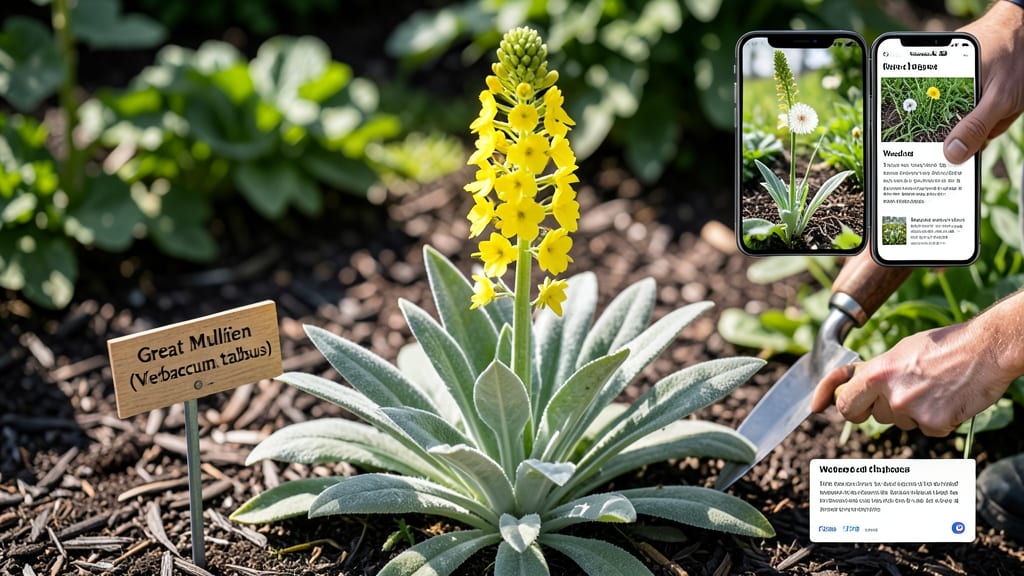
The mullein plant is not a weed—it’s a hardy perennial with deep gardening and medicinal value, prized for its self-seeding nature, drought tolerance, and respiratory-soothing properties in herbal remedies.
The mullein plant actually thrives as a beneficial garden companion rather than an invasive weed. 🌱 Its tall, velvety stems and yellow flowers attract pollinators while improving soil health through nitrogen fixation. Unlike true weeds, mullein grows in clumps rather than spreading aggressively, making it easy to manage in landscapes.
Many gardeners intentionally plant it for its drought resistance and ability to support local ecosystems.
What sets mullein apart is its dual-purpose nature—it serves both ecological and medicinal functions. The leaves and flowers have been used for centuries in herbal medicine to soothe respiratory issues, while the plant's deep roots help prevent erosion.
This makes it a valuable addition to both wild gardens and medicinal herb collections.
💡 In This Article
- How Mullein Plant Benefits Gardens and Ecosystems
- Medicinal and Culinary Uses of Mullein Plant
How mullein plant benefits gardens and ecosystems
The mullein plant (Verbascum thapsus) thrives as a garden ally rather than a nuisance because of its unique growth patterns. Unlike true weeds that spread aggressively through rhizomes or seeds, mullein grows in clumps with deep taproots that stabilize soil and prevent erosion.
Its self-seeding nature actually benefits gardens by filling empty spaces naturally, reducing the need for replanting. 🌱
Mullein's ecological value comes from its role as a pollinator magnet. The tall, fuzzy stems and bright yellow flowers attract bees, butterflies, and moths, making it a vital plant for biodiversity.
Studies show that a single mullein plant can support up to 100+ bee visits per hour during peak bloom. This contrasts sharply with weeds that often repel beneficial insects or host pests like aphids.
The plant's drought tolerance stems from its ability to store water in thick, velvety leaves. In dry conditions, mullein continues growing when many other plants wilt, making it ideal for xeriscaping or low-maintenance gardens.
Its deep roots also help break up compacted soil, improving aeration and water infiltration—qualities that true weeds lack. 💧
Mullein's pest resistance comes from its chemical composition. The leaves contain iridoid glycosides, compounds that deter many herbivores while being harmless to humans. This natural defense mechanism means mullein rarely suffers from the same pest pressures that plague other garden plants, reducing the need for chemical interventions.
Gardeners often plant mullein intentionally along fence lines or in wildflower meadows because it outcompetes true weeds by growing taller and shading soil. Unlike invasive weeds that choke native plants, mullein's growth habit creates a natural ground cover that suppresses weeds while supporting local ecosystems.
Its ability to thrive in poor soil makes it perfect for revitalizing neglected garden areas.
One key difference between mullein and weeds lies in their lifecycle. Mullein is a biennial or short-lived perennial that completes its life cycle gracefully—producing seeds in its second year before dying back.
This contrasts with perennial weeds that persist indefinitely, requiring constant removal. The plant's biodegradable nature means it decomposes cleanly, enriching soil rather than creating debris.