
Pests
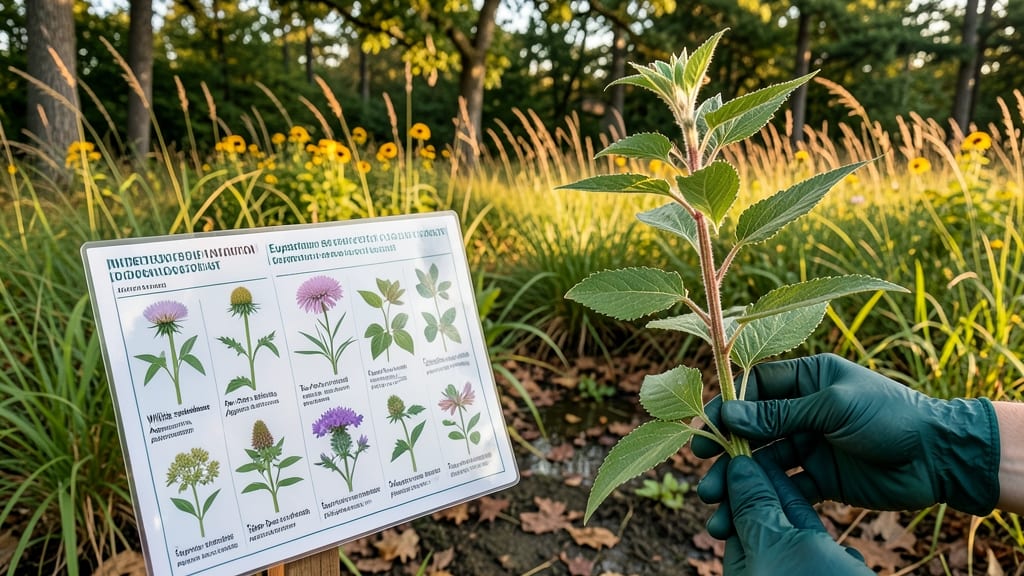
Late boneset isn't a weed—it's a native wildflower that supports ecosystems, though its rapid growth can overwhelm gardens. Its white flower clusters and pointed leaves set it apart from invasive weeds like dandelions.
Late boneset thrives in wetland edges and meadows, where its shallow roots help stabilize soil and attract pollinators like bees and butterflies. 🌿 While its aggressive spread may crowd out cultivated plants, it plays a crucial role in native habitats by providing late-season nectar for migrating birds.
The key difference from true weeds is its ecological value—late boneset enhances biodiversity rather than depleting resources.
In garden settings, the challenge lies in balancing its benefits with aesthetic preferences. Unlike aggressive invaders, late boneset can be managed through targeted removal during its dormant season (late winter) or by planting competitive native ground covers. This approach preserves its ecological contributions while keeping gardens looking intentional.
💡 In This Article
- Late Boneset’s Ecological Role vs. Invasive Behavior
- Managing Late Boneset in Gardens Without Harming Wildlife
Late boneset’s ecological role vs. invasive behavior
Late boneset (Eupatorium serotinum) thrives in wetlands and meadows thanks to its specialized adaptations. Its shallow, fibrous root system spreads horizontally just beneath the soil surface, allowing it to stabilize banks and absorb excess water—critical functions in flood-prone ecosystems.
This root structure also enables rapid colonization of disturbed areas, a trait that benefits degraded habitats but can frustrate gardeners. 🌱 The plant’s white daisy-like flower clusters (blooming July–October) provide nectar for pollinators like monarch butterflies and bees during late summer when other flowers have faded.
The plant’s seed dispersal strategy further explains its persistence. Each flower head produces hundreds of tiny, wind-dispersed seeds that can remain viable in the soil for years. While this ensures survival in natural settings, it creates challenges in cultivated spaces where controlled growth is desired.
The seeds germinate readily in moist, sunny conditions, which is why late boneset often dominates edges of ponds, streams, and damp garden corners. Unlike true weeds, however, it doesn’t produce allelopathic chemicals to suppress other plants—its impact is purely physical, through sheer volume and competitive growth.
What shifts late boneset from beneficial to problematic is its sheer biomass. In native habitats, its aggressive spread supports food webs by providing shelter and forage for wildlife, but in gardens, it can outcompete desirable plants.
The key difference from invasive weeds like creeping charlie (Glechoma hederacea) is its ecological value: late boneset doesn’t harm soil health or disrupt native ecosystems—it’s simply a vigorous native that prefers open spaces.
Its lance-shaped, toothed leaves (3–6 inches long) and vertical growth habit (2–5 feet tall) create dense stands that can overwhelm smaller perennials.
Temperature and moisture play critical roles in its behavior. Late boneset thrives in zones 3–9, where it experiences cold winters followed by warm, wet springs—perfect conditions for rapid regrowth. In drier climates or well-drained soils, its growth slows significantly, making it less problematic.
The plant’s ability to photosynthesize efficiently even in partial shade explains why it persists in garden edges where sunlight is limited. This adaptability contrasts with weeds like dandelions, which rely on deep taproots and seed banks for survival.
Consider these key distinctions between late boneset and true weeds:
- Root system: Late boneset has shallow, fibrous roots (stabilizes soil), while weeds like creeping charlie have deep, invasive roots (disrupts foundations)
- Flower structure: White daisy-like clusters (pollinator-friendly) vs. yellow dandelion heads (wind-pollinated, allergenic)
- Growth habit: Vertical, clumping growth (creates habitat) vs. sprawling, mat-forming (blocks sunlight)
The plant’s ecological value becomes clear when you observe its role in late-season pollinator support. Studies show that late boneset can increase local bee populations by up to 40% during its bloom period, providing critical nutrition for migrating species.
This makes it an asset in conservation plantings, even if its presence requires management in ornamental gardens. 🌿