
Picking
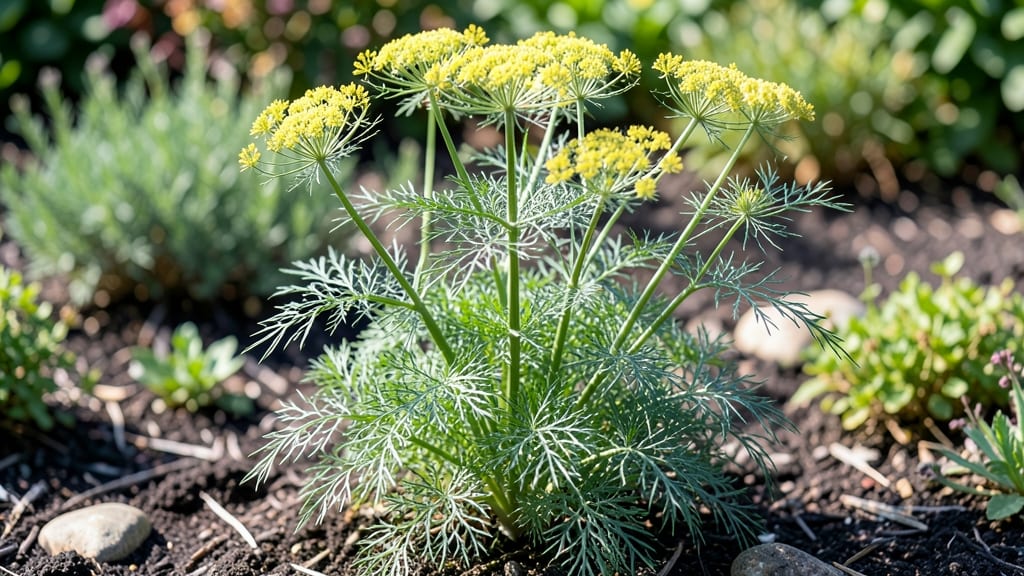
Dill is not a weed—it’s a prized culinary herb and flowering plant with feathery leaves and aromatic seeds, though its self-seeding nature can make it appear weed-like in gardens when left unmanaged. Unlike true weeds such as lambsquarters or purslane, dill has distinct botanical traits and valuable culinary uses.
Dill belongs to the Apiaceae family, the same as carrots and parsley, and thrives as both an edible herb and ornamental plant. 🌱 Its tall, hollow stems and delicate yellow flowers set it apart from invasive weeds, which typically have broader leaves and more aggressive root systems.
The confusion often arises because dill spreads prolifically through seeds—dropping thousands per plant—so without proper garden management, it can quickly dominate a space, mimicking the behavior of unwanted plants.
What truly distinguishes dill is its dual purpose: it's a kitchen staple used in everything from pickles to soups, while also attracting pollinators to gardens.
Many gardeners intentionally grow it in containers or designated areas to control its spread, proving that with the right cultivation techniques, dill can be both a beautiful and useful addition rather than a nuisance.
💡 In This Article
- Botanical Differences: Dill vs Common Weeds
- Managing Dill in Gardens: Cultivation Tips
Botanical differences: dill vs common weeds
Dill (Anethum graveolens) belongs to the Apiaceae family, sharing its lineage with carrots, parsley, and celery—plants celebrated for their aromatic compounds and edible features.
Unlike true weeds, dill's leaves are finely divided, resembling fern fronds, with a distinctive feathery texture that's soft to the touch and releases a bright, citrusy aroma when crushed. 🌿 This herb grows on a hollow, ribbed stem that can reach 3-5 feet tall, topped with delicate yellow umbrella-shaped flowers (umbels) that attract pollinators like bees and hoverflies.
True weeds, such as pigweed (Amaranthus) or chickweed (Stellaria media), lack these botanical hallmarks. Weeds typically have broader, coarser leaves and more aggressive root systems—like lambsquarters' deep taproots or purslane's succulent, sprawling stems.
Dill's roots are fibrous and shallow, while its seed dispersal is passive: each plant produces 2,000-3,000 seeds that scatter easily, creating dense clusters. This prolific seeding is why dill appears weed-like, but its culinary and ornamental value sets it apart.
The key difference lies in growth habits. Dill's stems are erect and non-invasive, while weeds like bindweed (Convolvulus arvensis) twine aggressively or send out runners.
Dill's flowers also serve a purpose—bees adore them, making it a garden ally, whereas weeds often lack such benefits. 🐝 Even its seeds are edible, used in pickling and seasoning, whereas weed seeds are typically inedible or bitter.
Another telltale sign: dill's leaves are highly aromatic when fresh, with compounds like carvone and limonene giving it that signature tang. Weeds, by contrast, usually lack strong scents unless they're flowering (like mustard weeds).
This aromatic profile is why chefs and gardeners cultivate dill—it's a functional plant, not a nuisance.
Consider the root systems: dill's are shallow and non-invasive, while weeds like crabgrass (Digitaria) spread via underground rhizomes or surface runners. Dill's seeds germinate quickly but don't persist in soil like weed seeds, which can lie dormant for years.
This biological distinction means dill can be managed with regular harvesting, whereas weeds often require herbicides or deep tilling.
For visual confirmation, compare dill's lacy, airy foliage to the dense, broad leaves of weeds like plantain (Plantago major).
Dill's stems also lack the hairy or prickly textures common in many weeds, making it instantly recognizable to trained gardeners. 🌱 The confusion arises from dill's voluntary spread—it's not trying to take over like invasive weeds, but its seeds simply love to pop up everywhere.