
Companion Plants
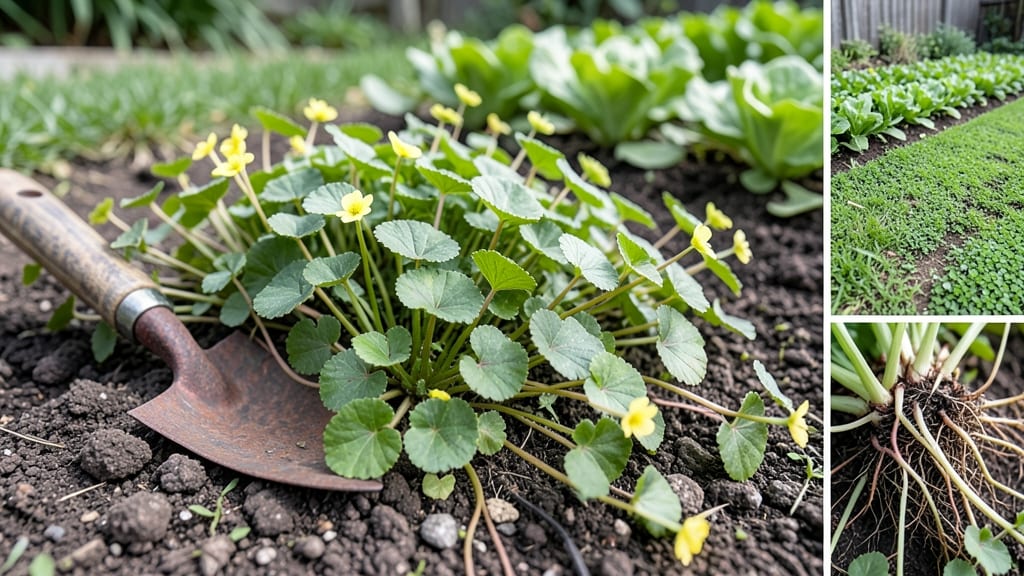
Creeping wood sorrel is considered a weed because it spreads aggressively through underground runners, crowds out desirable plants, and thrives in shaded garden spaces where other vegetation struggles to grow. Its prolific seed production and deep root system make it particularly difficult to eradicate once established.
Creeping wood sorrel earns its weed classification due to its relentless growth habits and ecological impact. 🌱 Unlike many ornamental plants, it forms dense mats through underground stems called rhizomes, smothering native plants and altering soil conditions.
This aggressive spread is why gardeners in temperate climates often label it as invasive—it doesn't just take up space, it changes the entire garden ecosystem over time. The real challenge lies in its persistence: even small fragments left in the soil can regenerate, making complete removal a multi-season project.
What makes this plant particularly frustrating is its adaptability. It thrives in both sun and shade, tolerates poor soil quality, and produces thousands of seeds that can remain viable for years. This combination of traits explains why it's so difficult to control without consistent intervention.
Many gardeners discover its presence too late, when it's already established in their landscape, making early detection and proactive management absolutely critical.
💡 In This Article
- Why Creeping Wood Sorrel Becomes Invasive in Gardens
- Effective Creeping Wood Sorrel Removal Methods
Why creeping wood sorrel becomes invasive in gardens
Creeping wood sorrel (Oxalis corniculata) earns its weed reputation through a combination of aggressive growth strategies and ecological dominance. The plant spreads primarily via rhizomes—horizontal underground stems that can extend up to 3 feet in length.
Each node along these rhizomes has the potential to sprout new shoots, creating dense mats that smother competing vegetation. This underground network allows the plant to regenerate even from small fragments left in the soil after attempted removal.
The plant's seed production further compounds the problem. A single mature plant can release up to 10,000 seeds per year, which remain viable in the soil for 5-10 years. These seeds germinate readily in disturbed soil, making areas with recent digging or cultivation particularly vulnerable.
Unlike many weeds that rely on seasonal growth, creeping wood sorrel thrives year-round in temperate climates, with growth spurts during both spring and fall.
Its ability to photosynthesize efficiently in low-light conditions (as little as 10% sunlight) gives it a competitive edge in shaded garden areas where most ornamental plants struggle.
The ecological impact extends beyond mere space occupation. Creeping wood sorrel alters soil chemistry by releasing organic acids that lower pH levels, creating conditions unfavorable for many native plants. Its dense ground cover also blocks sunlight from reaching the forest floor, which can prevent seedling establishment of desirable species.
In natural ecosystems, this displacement can reduce biodiversity by favoring the sorrel's own seed dispersal mechanisms over those of native flora. The plant's rapid colonization of disturbed areas—like garden beds, lawns, and forest edges—makes it particularly problematic for landscape maintenance.
What makes this weed especially challenging is its chemical defense system. The plant contains oxalic acid, which deters herbivores and contributes to its persistence by making it less palatable to grazing animals.
While this compound can cause mild skin irritation in humans, it also means the plant faces fewer natural predators. Gardeners often find that traditional cultural controls (like mowing) are ineffective because the rhizomes simply regrow from underground, while the plant's shade tolerance allows it to outcompete more desirable ground covers.
Consider these key factors that contribute to its invasiveness:
- Rhizome expansion: Underground stems spread 12-24 inches per year, creating impenetrable mats
- Seed longevity: Viable seeds persist for decades in soil seed banks
- Shade adaptation: Thrives with as little as 10% sunlight, unlike most ornamental plants
- Soil modification: Acidifies soil, creating conditions that favor its own growth
The combination of these traits explains why creeping wood sorrel becomes established so quickly and why manual removal often fails without persistent, multi-year efforts. Its ability to exploit disturbed soils and outcompete native vegetation makes it particularly problematic in garden settings where ecological balance is desired.
The plant's persistence stems from this perfect storm of biological adaptations that allow it to dominate ecosystems where other species would falter. 🌱