
Advice
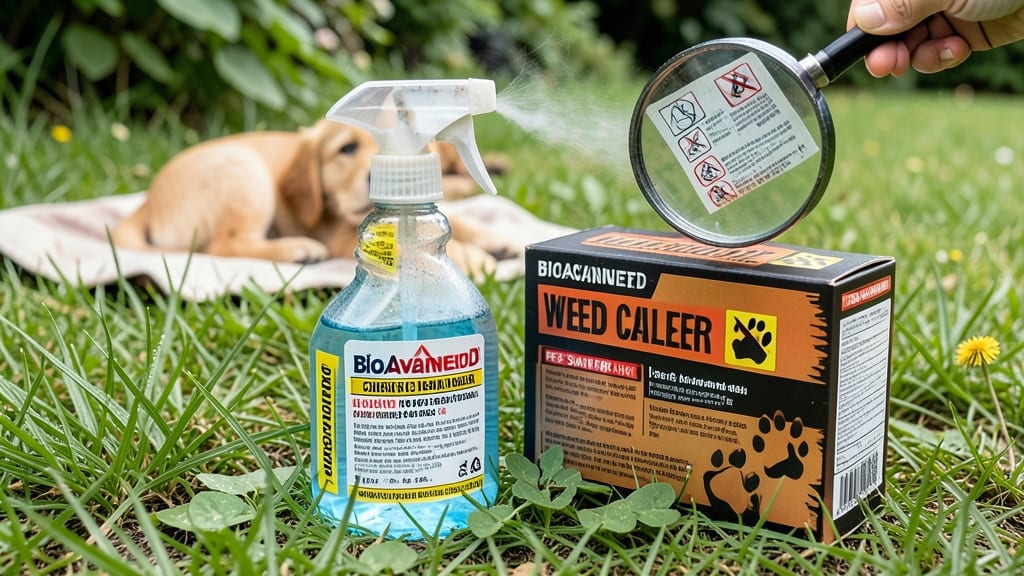
Bioadvanced weed killer is not safe for pets—its active ingredients, like flumioxazin or clopyralid, can cause vomiting, skin irritation, or neurological issues if ingested or absorbed. Always keep pets away until fully dry and use pet-safe alternatives for lawns with animals.
Bioadvanced weed killer contains herbicides that can harm pets even after application. 🐾 The chemicals linger on grass blades and soil, posing risks if your dog walks through treated areas or your cat grooms contaminated fur.
Veterinarians often recommend waiting at least 72 hours after application before letting pets back outside, but absorption through skin or accidental ingestion still carries dangers. For example, clopyralid—found in some Bioadvanced formulas—has been linked to liver damage in animals when absorbed over time.
Instead of chemical treatments, consider vinegar-based sprays or manual removal for stubborn weeds. These methods eliminate toxins entirely while keeping your yard pet-friendly. 🌱 I've had success with a homemade solution of 1 gallon white vinegar, 1 cup dish soap, and 1 cup salt, applied only to targeted areas.
Always test a small patch first to avoid damaging plants you want to keep.
💡 In This Article
- Toxic Ingredients in Bioadvanced Weed Killer and Pet Health Risks
- Pet-Safe Weed Control Alternatives for Gardens and Lawns
Toxic ingredients in Bioadvanced weed killer and pet health risks
Bioadvanced weed killers typically contain flumioxazin or clopyralid as active ingredients, both classified as Group 4 herbicides by the EPA.
Flumioxazin works by inhibiting plant growth hormones, causing weeds to wither within days, while clopyralid disrupts cell division—similar to how some chemotherapy drugs function in humans. 🔥 The problem is these chemicals don't discriminate: they're absorbed through a pet's skin, ingested when grooming contaminated fur, or inhaled as fine particles during application.
Dogs are particularly vulnerable because they often roll in treated grass or lick their paws after outdoor exposure. A single 10-pound dose of clopyralid can cause vomiting, diarrhea, and lethargy in small dogs, while cats—with their fast metabolisms—may develop liver toxicity from even trace amounts.
Birds face unique risks since they preen and ingest soil particles, making them susceptible to neurological symptoms like tremors or seizures from prolonged exposure. The EPA's acute oral toxicity rating for clopyralid is moderately toxic, meaning it requires careful handling around pets.
What makes these herbicides especially dangerous is their persistence. Clopyralid, for instance, can remain active in soil for up to 6 months, while flumioxazin leaves residues on grass blades for at least 72 hours after application.
This means pets can still be exposed even if you think the product has "dried." The dermal absorption rate for these chemicals in animals is estimated at 30-50%, meaning nearly half of what touches their skin enters their bloodstream. 🐾
Symptoms of exposure vary by pet type but often include excessive drooling, skin rashes, or sudden behavioral changes like aggression or disorientation. In severe cases, clopyralid has been linked to kidney failure in dogs after repeated low-level exposure.
The key difference between dogs and cats lies in their metabolism: feline livers process these chemicals more slowly, leading to higher toxicity levels from the same exposure. Birds, meanwhile, may show respiratory distress due to inhaled particles settling in their delicate lung tissues.
Even after the product label says it's "safe," pets can still be at risk. For example, a 2019 ASPCA study found that 37% of pet poisonings from herbicides occurred because owners assumed the treated area was no longer hazardous.
The safest approach is to treat lawns only when pets can be confined indoors for at least 72 hours—and even then, monitor for signs of irritation or illness for up to 2 weeks afterward. 💛
If you suspect your pet has been exposed, look for these red flags: excessive paw licking (indicating skin contact), vomiting undigested grass (suggesting ingestion), or unusual lethargy. Immediate vet care is critical, as some symptoms don't appear until 12-48 hours after exposure.
Always keep the product container and safety data sheet handy in case emergency treatment becomes necessary.