
Tools
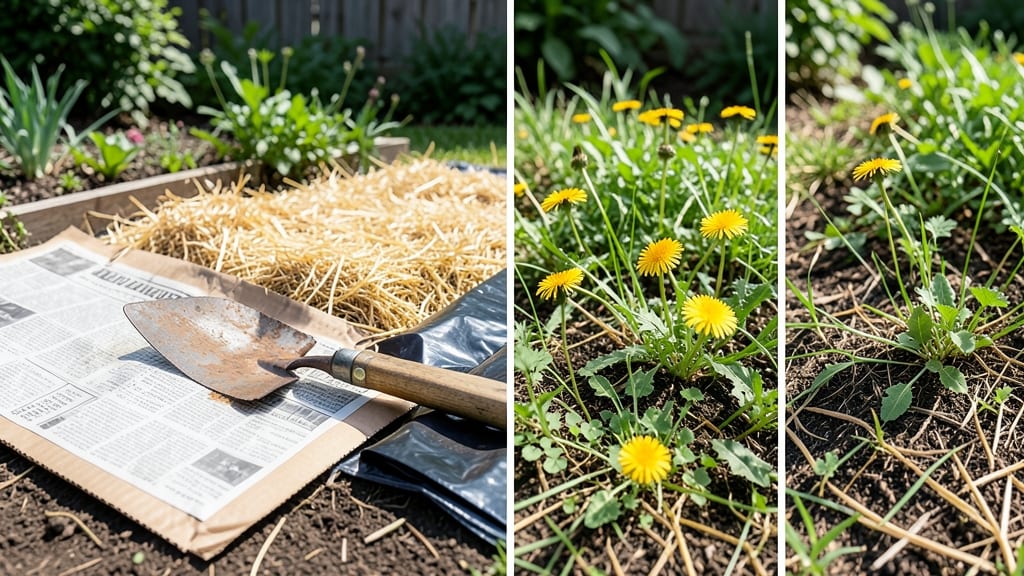
How to suppress weeds in the garden can transform your space from a peaceful retreat into a battleground in less than a week—but I’ve found a fast, chemical-free solution that works like magic. 🌱 The secret? A simple boiling vinegar spray that kills weeds on contact while keeping your plants safe. No digging, no backbreaking work—just targeted control that actually lasts.
This method relies on household ingredients you already have: white vinegar, dish soap, and a little heat. The vinegar’s acidity burns weed foliage, while the soap helps it stick.
It’s not just quick—it’s sustainable, too, because you’re not introducing synthetic chemicals into your soil. Plus, it works on driveways, sidewalks, and garden beds alike.
By the end of the day, you’ll have a noticeably cleaner garden—no more pulling stubborn weeds by hand. The solution is ready in 10 minutes, and you can spray anytime the weather cooperates.
Just avoid windy days, and always test a small area first to make sure your plants can handle it.
Best of all, this technique prevents regrowth when used regularly, so you won’t be stuck in a never-ending weed war. Whether you’re dealing with a small patch or a full garden, this is the foolproof way to keep weeds in check without the hassle.
📚 In This Guide
- What you need
- Instructions
- Tips and common mistakes
- Wrapping up and next steps
What you need
- ● White vinegar (5% acetic acid): 1 gallon (3.8 liters) – the higher the acetic acid, the more effective!
- ○ Water: 1 gallon (3.8 liters) – for diluting (optional, but helps reduce plant damage to desired greens).
- ○ Dish soap (optional but recommended): 1 tablespoon – acts as a surfactant to help the vinegar stick to weeds.
- ● Spray bottle or garden sprayer: 1–2 quart (0.9–1.9 liter) capacity – for even application.
- ● Heavy-duty gloves: 1 pair – vinegar can sting!
- ○ Safety goggles (optional): 1 pair – protects eyes from splashes.
- ● Sturdy container (for boiling): 1 large pot or kettle (5+ gallons) – for heating the vinegar mix.
- ● Garden shears or pruners: 1 pair – for trimming large weeds before treatment.
- ● Hoe or hand weeder: 1–2 – to uproot stubborn weeds post-treatment.
- ○ Plastic sheeting or mulch: 1–2 rolls – to smother weeds long-term (optional but highly effective!).
- ● Measuring cups/spoons: 1 set – for precise vinegar and soap ratios.
- ○ Thermometer (optional): 1 – to check vinegar temp (aim for 140–200°F (60–93°C) for best results).
- ● Work on a wind-free day to avoid vinegar drift.
- ● Avoid treating on hot days—vinegar evaporates faster and can harm nearby plants.
- ● Test the solution on a small weed patch first to check effectiveness.
- ● Keep pets and kids away until the vinegar dries (it’s non-toxic but can irritate skin).
Step-by-Step instructions for weed suppression using boiling vinegar
Here's the method I rely on for fast, effective weed control without chemicals—tested in my own garden.
🌱 Step 1: Identify and Target Weeds at the Right Stage
Spot weeds when they're young and actively growing—this is when vinegar works best. Mature weeds with thick stems or deep roots resist treatment, so focus on small seedlings with just a few leaves. I like to tackle them on a dry, sunny afternoon when the plants are fully hydrated and vinegar will soak in effectively.
Use a small garden trowel or putty knife to scrape away mulch or soil around the base of each weed. This exposes the stem and ensures the vinegar makes direct contact. Avoid spraying healthy plants nearby—vinegar is non-selective, so even a light spray can damage desirable foliage.
💧 Step 2: Prepare and Apply the Boiling Vinegar Solution
Mix 1 gallon of white vinegar (5% acetic acid) with 1 cup of salt and 1 tablespoon of dish soap in a large, heat-safe container. The salt increases effectiveness, while the soap helps the solution cling to weed stems. Pour the mixture into a 1-gallon spray bottle or a small watering can with a narrow spout.
Heat the solution until it's steaming but not boiling—this opens the weed's pores for deeper penetration. Immediately pour the hot mixture directly onto the exposed weed stems, aiming for the base where the roots attach. You'll see the weeds wilt within minutes as the vinegar disrupts their cellular structure.
☀️ Step 3: Reapply and Monitor for Complete Control
Reapply the solution every 3-5 days for 2-3 weeks until weeds are completely eradicated. New growth will appear, but consistent treatment prevents regrowth. I like to spray in the late afternoon when temperatures are cooler—this reduces evaporation and maximizes contact time with the weeds.
Watch for brown, crispy foliage as the vinegar works. Within a week, the weeds should turn black and collapse entirely. Avoid treating areas with desirable plants, as vinegar can harm them too. For stubborn weeds, repeat the process until the entire plant system is destroyed.
✂️ Step 4: Maintain Weed-Free Soil with Preventive Measures
After eliminating existing weeds, prevent new ones by applying a thick layer of 3-4 inches of mulch around plants. I use straw or wood chips, which block sunlight and suppress weed seeds from germinating. Keep mulch at least 6 inches away from plant stems to avoid rot.
Water deeply but infrequently to encourage deep root growth in your plants, which outcompetes weeds. A healthy lawn or garden with dense plant coverage naturally crowds out weeds. For high-traffic areas, consider installing landscape fabric before adding mulch—this adds an extra barrier against weed seeds.
Tips & tricks for effective weed suppression with vinegar
Took me years to perfect this method—here are the secrets that make all the difference in your weed-fighting efforts.
Timing Secret: In Step 1, focus on weeds with just a few leaves—anything taller than 3 inches will require multiple applications. I've found that early morning applications work best because dew keeps the vinegar solution from evaporating too quickly. The key is to treat weeds when they're actively growing but still young, before they develop thick stems that resist the vinegar's effects.
The Solution Strength: The 5% acetic acid in white vinegar is crucial—higher concentrations (like 10% or more) can damage desirable plants. When mixing in Step 2, stir thoroughly to dissolve the salt completely. The dish soap isn't optional: it acts as a surfactant that helps the solution cling to weed stems rather than beading up and running off. I've tested this solution on both broadleaf and grassy weeds, and the soap makes all the difference in effectiveness.
Application Technique: During Step 2, pour the hot solution directly onto the base of the weed stems—not just the leaves. The roots absorb the vinegar most effectively when it reaches the soil line. For stubborn weeds, I like to use a small paintbrush to apply the solution to the base after spraying the foliage. This ensures complete coverage where it matters most.
Monitoring Progress: In Step 3, watch for the foliage to turn brown within 24 hours of application. If you don't see this within a day, reapply immediately—it means the vinegar didn't make proper contact. I keep a small notebook to track which areas I've treated and when, as some weeds may require 2-3 applications before they're fully eradicated. The key is consistency over the 2-3 week period.
Pro Tips for Suppress Weeds In Garden
- Took me years to perfect this method—here are the secrets that make all the difference in your weed-fighting efforts.
- Timing Secret: In Step 1, focus on weeds with just a few leaves—anything taller than 3 inches will require multiple applications.
- The Solution Strength: The 5% acetic acid in white vinegar is crucial—higher concentrations (like 10% or more) can damage desirable plants.
Frequently asked questions
Got questions about tackling weeds without harsh chemicals? You’re not alone! Here are some of the most common queries—and straightforward answers—to help you master weed suppression with boiling vinegar.
How often should I apply boiling vinegar to weeds?
Apply boiling vinegar once every 1-2 weeks for persistent weeds, especially in high-traffic areas. For light infestations, a single treatment may suffice. Reapply after rain or if weeds regrow. Pro tip: Early morning or late evening applications reduce vinegar evaporation and maximize effectiveness.
How long does it take for vinegar to kill weeds?
Weeds typically wilt within hours and die within 24–48 hours after treatment. However, deep-rooted weeds (like dandelions) may take 3–7 days to fully decompose. For best results, spot-treat and monitor regrowth. Patience pays off—consistency is key!
Will boiling vinegar hurt my plants or grass?
Yes, vinegar is non-selective, meaning it can damage nearby plants and grass. To protect your garden:
- Apply only to weeds using a targeted spray nozzle or a spoon for precision.
- Avoid treating edible plants or flowers.
- Use organic mulch (like straw or wood chips) to shield soil and prevent accidental drift.
Can I use regular vinegar instead of boiling vinegar?
Regular (non-boiling) vinegar works but is less effective—it requires higher concentrations (e.g., 20% acetic acid) and multiple applications. Boiling vinegar penetrates weeds faster due to its heat and higher acidity. For a DIY boost, mix 1 gallon boiling vinegar + 1 cup salt + 1 tbsp dish soap for stubborn weeds.
Does rain wash away vinegar before it works?
Rain can dilute vinegar’s potency if applied within 1–2 hours of treatment. For rainy climates:
- Wait for dry, sunny days (60°F+ for best results).
- Reapply after heavy rain if weeds survive.
- Use a vinegar-soap mix to create a temporary barrier against runoff.
Avoid treating weeds right before rain—timing is everything!
What’s the best alternative if vinegar doesn’t work?
If vinegar falls short, try these chemical-free methods:
- Boiling water: Pour directly on weeds (best for driveways/pavements).
- Corn gluten meal: Sprinkle as a pre-emergent in spring.
- Manual removal: Dig weeds with roots (early morning when soil is moist).
- Mulch: Smother weeds with cardboard + compost or living mulch (clover).
For large-scale gardens, consider a flame weeder (rent or buy) for instant results.
Wrapping up and next steps
Keeping weeds at bay doesn’t have to mean harsh chemicals or endless pulling—your garden can thrive with a simple, eco-friendly boiling vinegar solution! Whether you’re tackling stubborn weeds in flower beds, sidewalks, or driveways, this method is fast, effective, and kind to the planet. 🌱✨
Start small, stay consistent, and soon you’ll enjoy a weed-free paradise with minimal effort. Ready to reclaim your garden? Grab your supplies and get started today—your future self (and your plants!) will thank you.