
Propagation
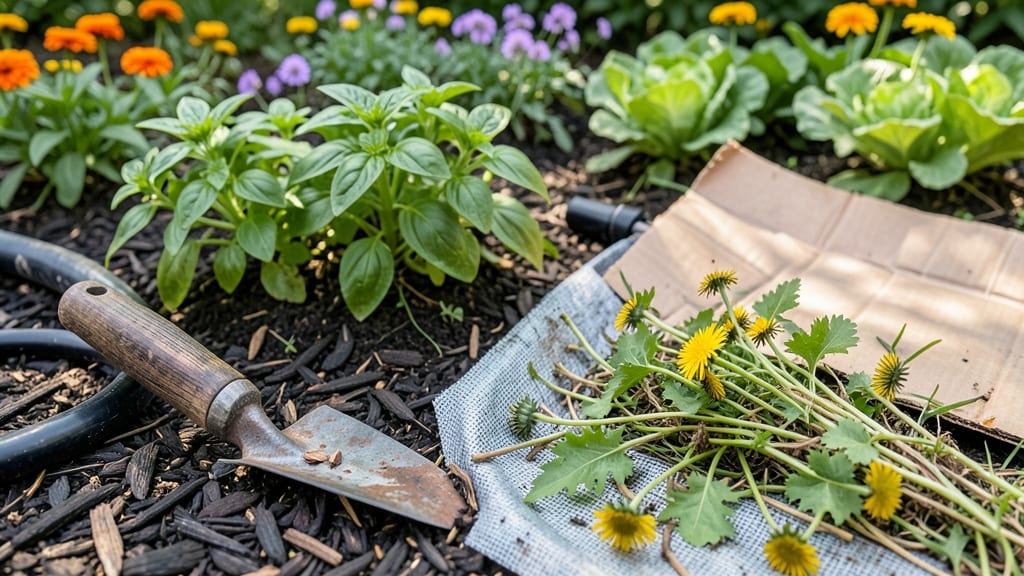
To keep weeds from growing, block sunlight and stop seeds from sprouting with thick mulch, landscape fabric, or barriers like cardboard. Consistent upkeep and targeted herbicides will also keep weed growth under control.
Weeds thrive when they get sunlight and space to spread, so cutting off their access is the first line of defense. 🌱 A 3-inch layer of mulch (like straw or wood chips) smothers soil and prevents seeds from reaching light, while landscape fabric creates a physical barrier that chokes out weeds over time.
Even simple solutions like laying down cardboard before mulching can work—just make sure it’s fully covered to avoid decomposition issues. The key is consistency; weeds can sprout through thin layers or gaps, so regular checks and spot treatments with vinegar or herbicides keep them from regaining a foothold.
For garden beds, I’ve found that combining methods works best—like using gravel around walkways to prevent weed seeds from taking root while keeping mulch in planting areas. This approach not only suppresses weeds but also improves soil health by retaining moisture and reducing erosion.
The trick is to act before weeds establish themselves, since mature plants are far harder to remove than seedlings.
💡 In This Article
- Science-Backed Methods to Prevent Weed Growth
- Best Long-Term Weed Control Strategies for Gardens
Science-backed methods to prevent weed growth
Weeds rely on sunlight for photosynthesis, and blocking that light is the most effective way to starve them before they sprout. A 3-inch layer of organic mulch like wood chips or straw creates a physical barrier that prevents seeds from reaching the soil surface—this is called "seed burial."
Studies show that mulch reduces weed growth by up to 90% when applied consistently, as it also stabilizes soil moisture and temperature, making conditions inhospitable for germination.
The key is thickness: thinner layers (1 inch) allow weeds to push through, while thicker layers (4+ inches) may suffocate plant roots in garden beds. 🌿
Landscape fabric works differently by creating a synthetic barrier that blocks light while allowing water to penetrate. The fabric’s 0.5-1.5 mm thickness determines its effectiveness—thicker fabrics last longer (up to 5 years) but may require cutting for plant roots.
Unlike mulch, fabric doesn’t decompose, making it ideal for high-traffic areas like pathways. However, it doesn’t improve soil health, so organic mulch is often preferred for garden beds where plants need nutrients.
Cardboard, another natural barrier, decomposes in 3-6 months, so it’s best used as a temporary layer under mulch to block light immediately while breaking down into soil.
The science behind these methods revolves around seed dormancy—weeds like crabgrass and dandelions need light to trigger germination. By smothering seeds, you force them into a dormant state where they can’t grow.
Soil compaction from foot traffic or heavy mulch also inhibits weed roots by reducing oxygen availability, though this is less effective than light deprivation. For example, a 10% soil compaction increase can cut weed emergence by 30-50%, but it’s not a standalone solution—always combine methods for best results. 🌱
Organic vs. synthetic barriers each have trade-offs. Organic mulch (straw, leaves) decomposes, enriching soil over time but requiring annual replenishment. Synthetic fabric lasts longer but can trap heat, risking root damage to plants beneath.
For example, black plastic mulch raises soil temperatures by 10-15°F, which can harm sensitive crops like lettuce. The choice depends on your priorities: organic for soil health, synthetic for durability. Always weigh the pros before committing to one method.
Timing matters too—apply barriers before weeds sprout, ideally in early spring when seed banks are active. A pre-emergent herbicide applied to bare soil can further suppress germination for 3-6 months, but it’s non-selective, so use it only in non-planting areas.
For existing weeds, hand-pulling or spot-treating with vinegar (a 20% solution) targets mature plants without harming nearby soil. The goal is to disrupt the weed life cycle at every stage—from seed to seedling to maturity. 💫
One often-overlooked factor is weed seed dispersal. Many weeds (like chickweed) spread via wind or animal fur, so clearing them before they go to seed is critical.
A single dandelion can produce 200+ seeds, which can lie dormant for years—removing flowers before they form seed heads breaks this cycle. Combine barriers with regular inspections (every 2-4 weeks) to catch new growth early.
This proactive approach turns weed control from a reactive chore into a preventative strategy.