
How To
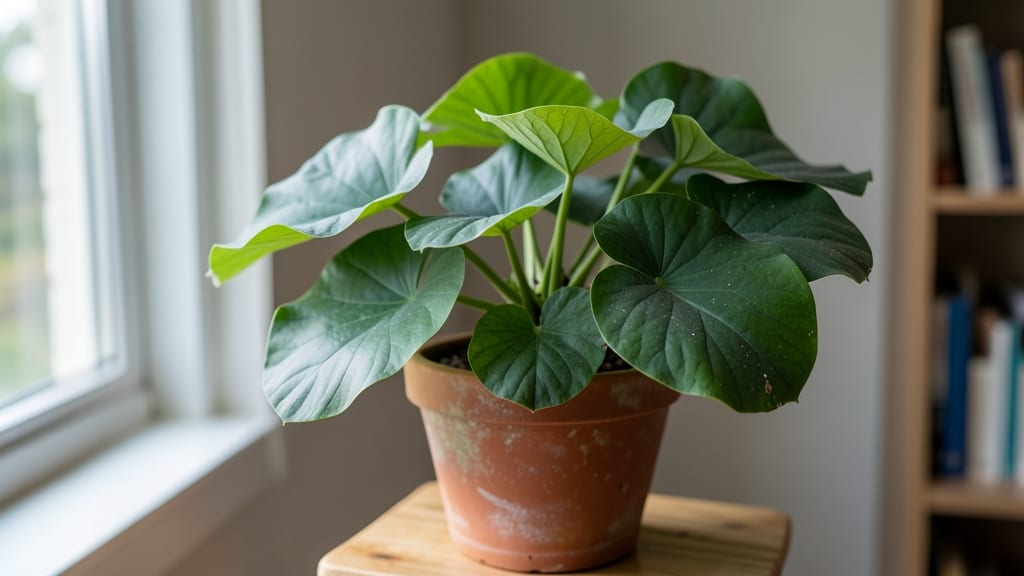
Watering potted lilies 🌸 often enough keeps their roots happy but not soggy—here’s the exact schedule to avoid root rot while keeping blooms lush.
Potted lilies bring breathtaking beauty to patios and balconies—but overwatering or underwatering can kill them faster than slugs devouring hostas. Mastering the perfect watering schedule is the key to keeping your lilies thriving all season long.
Most gardeners assume "water when dry," but potted lilies need consistent moisture without sitting in stagnant water. The solution? A seasonal watering plan that adjusts for temperature, pot size, and even your local humidity.
In this guide, I’ll break down how often to water based on the season, how to check soil moisture like a pro, and the best techniques to keep your lilies blooming without root rot.
The exact watering schedule for potted lilies by season (with soil check guide)
Potted lilies 🌸 need consistent moisture but hate soggy roots—this delicate balance is the secret to their stunning blooms. Unlike garden lilies, container-grown varieties dry out faster, making seasonal adjustments critical. The key? A science-backed schedule that accounts for temperature, humidity, and pot size while preventing root rot or dehydration.
Most gardeners water by guesswork, but lilies thrive when their rhizomes stay damp—not drenched. In spring and summer, I water mine every 1-2 days, while winter slows growth to every 3-4 days.
The trick? Checking soil moisture before watering—never on a fixed calendar. Let me show you how to master this with a foolproof seasonal guide.
| Season | Frequency | Soil Check Depth | Water Amount | Best Time |
|---|---|---|---|---|
| Spring | Every 1-2 days | 1-2 inches dry | 1000-1500ml | Morning (6-9 AM) |
| Summer | Daily (small pots) | 1 inch dry | 1500-2000ml | Evening (5-7 PM) |
| Fall | Every 2-3 days | 2 inches dry | 800-1200ml | Morning (7-10 AM) |
| Winter | Every 3-4 days | 3 inches dry | 500-800ml | Midday (10 AM-2 PM) |
Spring is when lilies wake up from dormancy, so I start with daily checks in March. Use your finger to test 1-2 inches deep—if it feels dry, water thoroughly until it drains from the bottom.
The goal is to keep the rhizome partially submerged but never waterlogged. For pots under 6 inches wide, I water every 1-2 days; larger containers can stretch to 2-3 days.
Summer demands the most attention because evaporation accelerates. I water mine daily in small pots and every other day in large containers, always in the evening to reduce fungal risks. Pro tip: Place pots on elevated stands to improve airflow—this prevents stagnant water that breeds root rot.
If your lilies wilt by midday, they need water immediately, even if it's not their scheduled day.
Fall slows growth, so I reduce watering to every 2-3 days and let the top 2 inches dry out between sessions. This mimics natural rainfall patterns and prevents overwatering as temperatures drop.
Watch for yellowing leaves—a classic sign of excess moisture. If you notice this, let the soil dry 1 inch deeper before watering again.
Winter is dormancy season, so I cut back to every 3-4 days and check 3 inches deep. The rhizome stores energy for spring, so it needs minimal moisture. If your home stays above 60°F, maintain normal watering; below that, reduce to weekly checks.
Never let water sit in saucers—always drain excess after 10 minutes to avoid soggy roots.
Pot material matters! Clay pots dry faster than plastic, so I water mine 1 day earlier than plastic containers. For extra protection, I top-dress with 1 inch of mulch to slow evaporation. And always water at the base—never overhead—to keep foliage dry and prevent fungal diseases like powdery mildew.
One final tip: Observe your lilies daily. Healthy leaves should be vibrant green with a slight sheen, and stems should feel firm but flexible. If they feel brittle or mushy, adjust your watering immediately.
With this seasonal schedule and soil checks, your potted lilies will reward you with bold blooms all year.
5 Signs your potted lilies are overwatered or underwatered (and how to fix it)
Potted lilies thrive when their rhizomes stay moist but never soggy. The tricky part? Overwatering causes root rot, while underwatering leads to crispy leaves. Both conditions stress your plants, and spotting them early can save your lilies from irreversible damage.
Let's dive into the visual and tactile clues that reveal whether your lilies are thirsty or drowning.
First, check the foliage color. Yellowing leaves with mushy stems scream overwatering—this is your plant's SOS signal. Meanwhile, brown, crispy edges on leaves mean your lilies are begging for water. These signs often appear within days of improper watering, so act fast to adjust your care routine.
Remember, lilies in pots dry out faster than those in the ground, so their water needs change with the seasons.
Waterlogged soil is another dead giveaway. Stick your finger 1-2 inches deep into the soil—if it feels soggy or water drips out, you're overdoing it. On the flip side, if the soil is completely dry at this depth, your lilies need hydration ASAP. Pro tip: Use your finger as a moisture gauge daily, especially in summer heat or when using plastic pots that retain moisture longer than clay.
Overwatering
Underwatering
Don't ignore the pot's weight—lifting a heavy pot signals excess water, while a lightweight pot often means it's time to water. For underwatered lilies, give them a deep soak until water drains from the bottom.
Place the pot in a saucer to catch runoff, then discard excess water after 10 minutes to avoid soggy roots. This method mimics natural rainfall and helps lilies recover faster from drought stress.
If you spot white mold on soil or stems, your lilies are drowning. Immediately remove the top 1 inch of soil and replace it with fresh, well-draining mix. For underwatered plants, trim any brown, crispy leaves to redirect energy to healthy growth.
Always water at the base of the plant to avoid fungal issues from wet foliage. Consistency is key—stick to your watering schedule once you've corrected the problem.
Finally, adjust your watering based on seasonal changes. In summer heat, lilies may need water every 1-2 days, while winter dormancy reduces needs to every 3-4 days.
Observe your lilies daily: healthy leaves should be vibrant green with a slight sheen, and stems should feel firm but not brittle. With these cues and fixes, your potted lilies will stay lush and blooming all season long.