
Container Gardens
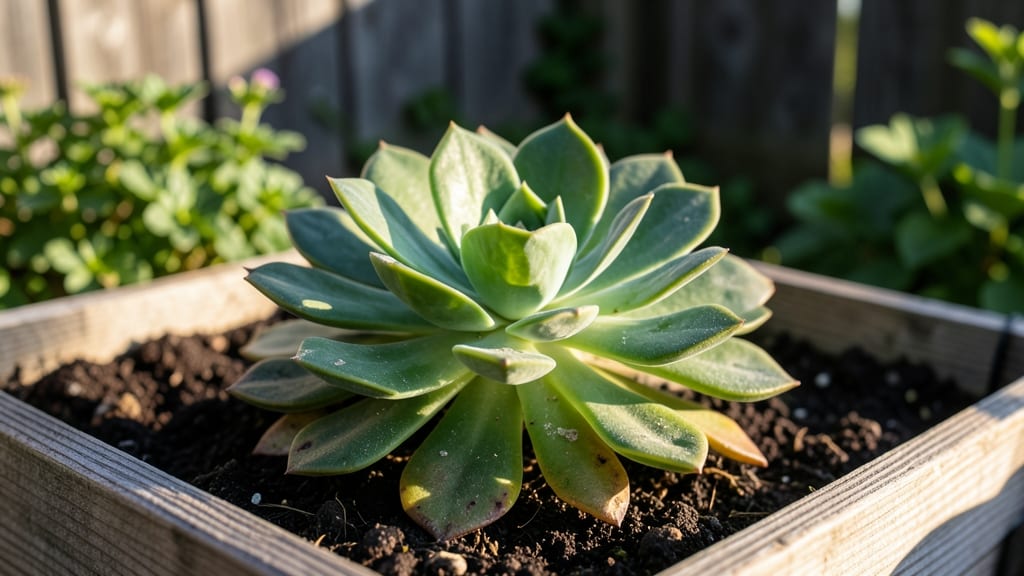
Outdoor potted plants should be watered based on soil moisture—not just days passed—because guessing leads to soggy roots or thirsty leaves.
Most gardeners overwater by default, drowning their 🌱 in a few days because they assume "more is better." But the truth? A simple 3-finger test reveals exactly when your plants need a drink—and when they’re begging for air.
Skip the calendar-based schedule and learn how to read your soil instead. This method cuts water waste by half while keeping your plants thriving, no matter if you’re dealing with blazing summer heat or chilly spring rains.
Below, I’ll show you how to use the test, adjust for your plant type, and spot the subtle signs that your watering routine is actually harming your greenery.
The 3-Finger test: how to check soil moisture like a pro
Guessing when to water your outdoor potted plants can lead to soggy roots or thirsty leaves—both disastrous for your greenery. The 3-finger test is a foolproof, science-backed method to measure soil moisture accurately.
Unlike relying on schedules, this tactile approach tells you exactly when your plants need water, preventing root rot and wilting.
This simple technique works for all outdoor potted plants, from drought-tolerant succulents to moisture-loving ferns. The key? Inserting your fingers into the soil to determine moisture levels.
But here’s the catch: soil type and seasonal changes affect how often you’ll need to water. Let’s break it down step by step.
How to Perform the 3-Finger Test
- 1 Choose the right time: Test soil in the morning after sunrise, before watering. This gives you the most accurate reading of overnight moisture loss.
- 2 Insert your fingers: Gently push three fingers (middle, ring, and pinky) about 1-2 inches deep into the soil. This mimics the root zone where most plants absorb water.
-
3
Assess moisture levels:
- 💧 Dry: Fingers come out clean—water immediately.
- 🌱 Moist but crumbly: Water in 1-2 days (ideal for most plants).
- 🌿 Wet or sticky: Hold off on watering for 3-4 days (risk of overwatering).
-
4
Adjust for soil type:
- ⏳ Sandy soil: Drains fast—test more frequently (every 1-2 days).
- 🏺 Clay soil: Holds moisture longer—wait until fingers feel noticeably dry.
- 🌾 Peat-based mixes: Dry out quicker—monitor closely in pots.
-
5
Seasonal tweaks:
- ☀️ Summer: Water more often (soil dries faster in heat).
- ❄️ Winter: Reduce frequency (cooler temps slow evaporation).
- 🌬️ Wind exposure: Increases drying—check soil daily in breezy spots.
Pro Tip: Keep a watering journal to track patterns for your specific plants and location.
Why does this method work better than guessing? The 3-finger test accounts for root zone moisture, which is where plants actually absorb water. Surface-level checks (like lifting the pot) can be misleading because they don’t reflect deeper soil conditions. Plus, it’s free, portable, and instant—no fancy tools required!
For sandy soils, which drain quickly, you might need to water every 1-2 days in summer, even if the top layer feels dry. In contrast, clay soils can stay moist for 5-7 days without needing water.
Always adjust based on your soil type and the plant’s specific needs. For example, a basil plant in a terracotta pot will dry out faster than a snake plant in the same pot.
Seasonal changes drastically alter your watering schedule. During summer months, outdoor potted plants can lose moisture 3x faster due to heat and evaporation. I’ve seen herb pots dry out in just 24 hours on a 90°F day!
Conversely, in winter, reduce watering by 50%—cooler temps and shorter daylight slow plant activity.
One common mistake is assuming all potted plants have the same water needs. A succulent might only need water every 2-3 weeks, while a tomato plant in a 5-gallon pot could require daily watering in peak summer.
The 3-finger test helps you customize care for each plant, whether it’s a hanging fern or a citrus tree in a large container.
To make this test even more effective, pair it with observing your plants. Drooping leaves often signal thirst, while yellowing leaves or moldy soil warn of overwatering.
Over time, you’ll develop a sixth sense for when your plants need hydration—no guesswork required. Start today, and watch your outdoor potted plants thrive with <
Watering frequency by plant type: a quick reference guide
Not all potted plants have the same thirst—some need daily sips while others thrive on weekly deep drinks. Understanding your plant's watering needs prevents both soggy roots and crispy leaves. Let's dive into the perfect watering schedule for your outdoor containers, from sun-loving succulents to tropical showstoppers.
Your plant's watering frequency depends on three key factors: plant type, pot material, and weather conditions. Terracotta pots dry faster than plastic, and summer heat demands more frequent watering than cool spring mornings. Here's your plant-by-plant breakdown to keep everything thriving.
| Plant Type | Watering Frequency | 3-Finger Test Result | Seasonal Adjustments |
|---|---|---|---|
| Succulents (Aloe, Jade) | Every 2-3 weeks | Dry 2 inches deep | Reduce to monthly in winter |
| Herbs (Basil, Mint) | Every 2-3 days | Dry 1 inch deep | Daily in summer heat |
| Tropicals (Ferns, Calatheas) | Every 3-5 days | Dry 1.5 inches deep | Increase to daily in heat |
| Flowering Plants (Petunias, Geraniums) | Every 2-4 days | Dry 1 inch deep | Reduce to every 5 days in fall |
| Vegetables (Tomatoes, Peppers) | Every 2-3 days | Dry 1.5 inches deep | Daily during fruit set |
Your succulents and cacti are the low-maintenance stars of the potted plant world, needing water only when their soil feels completely dry. Stick to the 2-3 week rule in spring/fall, but cut back to monthly in winter when growth slows.
The key? Well-draining soil—mix in perlite or sand to prevent rot.
For herbs and vegetables, consistency is critical. These plants crave moist but not soggy soil, so check moisture daily during heatwaves.
If your basil wilts by midday, it's time to water—even if the soil feels slightly damp. Morning watering prevents fungal issues and gives roots time to absorb moisture before evening.
Tropical plants like calatheas and ferns mimic their jungle homes by needing high humidity. Group them together, mist leaves occasionally, and water when the top 1.5 inches of soil dry out. In winter, reduce frequency but increase humidity with a pebble tray filled with water.
Flowering annuals like petunias and geraniums reward frequent watering with bold blooms. Keep soil evenly moist—never let them dry out completely, or buds will drop. In hot climates, mulch with straw to retain moisture and protect roots from temperature swings.
Remember: pot size matters. A 5-gallon container holds moisture longer than a 1-gallon pot, so adjust your schedule accordingly. Always water until it flows from drainage holes—this ensures roots get the hydration they crave without sitting in water.