
Watering
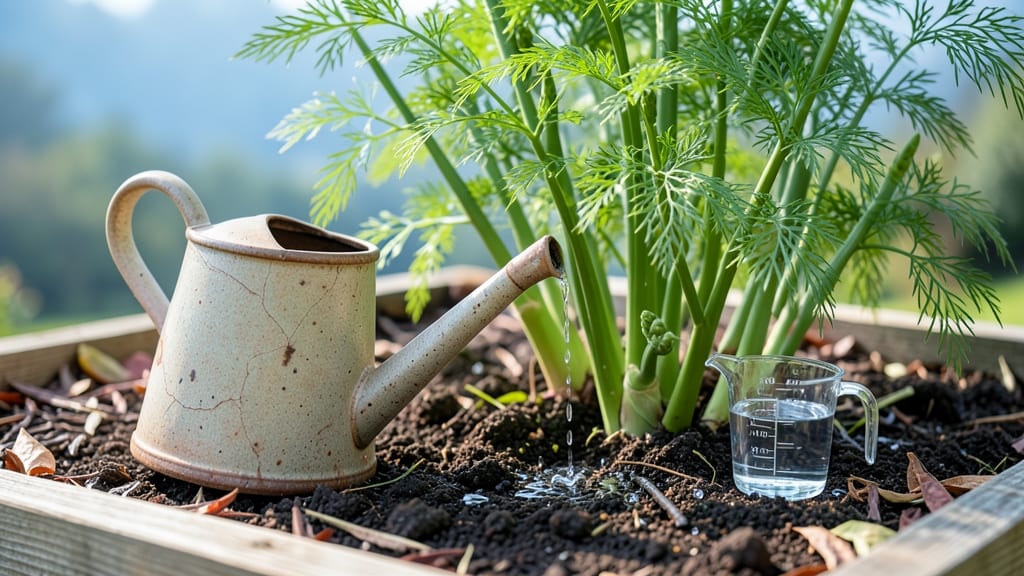
Asparagus plants need about 1 to 2 inches of water weekly — but timing and consistency matter just as much as the amount.
Struggling to grow lush, productive asparagus spears? Watering is the #1 factor that makes—or breaks—your harvest, yet most gardeners get it wrong. Too little, and your spears turn woody and bitter. Too much, and you risk rot or fungal diseases that kill the crown before it even establishes.
Here’s the secret: asparagus roots run deep, but they’re not drought-proof. The key is keeping the top 6 to 12 inches of soil evenly moist without letting it turn soggy. In summer’s peak heat, you might need to water twice a week, while spring and fall often require less.
I’ll break down the exact schedule for each growth stage, how to check soil moisture like a pro, and the subtle signs that tell you whether you’re overdoing or underdoing it. By the end, you’ll water with confidence—and enjoy a harvest that rivals the grocery store’s.


Ideal weekly water requirements for asparagus growth stages
Asparagus plants thrive when given the right amount of water at the right time, but their needs change dramatically from crown establishment to peak harvest season. Unlike many vegetables, asparagus roots spread wide and shallow, making consistent moisture critical to avoid stress.
I’ve learned that overwatering causes rot, while underwatering leads to weak spears—both kill your harvest potential.
During the first year, focus on building a strong root system. Young asparagus crowns need 1-1.5 inches of water weekly, delivered deeply to encourage deep root growth.
Skipping water here means stunted plants that’ll never reach their full potential. Think of it like laying the foundation for a house—if the roots aren’t strong, nothing else matters.
Here’s the science-backed breakdown of water needs by growth stage, including soil moisture targets and seasonal adjustments:
| Growth Stage | Weekly Water Target | Soil Moisture Goal | Key Notes |
|---|---|---|---|
| Crown Establishment (Year 1) | 1–1.5 inches | Moist but not soggy | Critical for root development; avoid waterlogging |
| Spear Emergence (Years 2–3) | 1.5–2 inches | Consistently damp | Increase slightly as spears form; mulch helps retain moisture |
| Harvest Season (Years 3+) | 2–2.5 inches | Even moisture | Peak demand; water deeply 2–3x/week in hot climates |
| Dormancy (Fall/Winter) | 0.5–1 inch (monthly) | Lightly moist | Prevents winter desiccation; reduce but don’t dry out |
💧 Pro Tip: Use a moisture meter 2–3 inches deep for accuracy
In spring, when spears first emerge, I aim for 1.5–2 inches weekly. This is when asparagus plants are most sensitive to moisture fluctuations. A quick check is to stick your finger 2 inches into the soil—if it feels dry, it’s time to water.
Overwatering here leads to rotten crowns, while underwatering causes spears to become woody and tough.
During summer’s peak harvest, asparagus plants need 2–2.5 inches weekly, especially in hot, dry climates. I’ve found that drip irrigation works best because it delivers water directly to the roots without wetting the fronds, reducing fungal risks.
Early morning watering (before 9 AM) minimizes evaporation and gives plants time to dry out during the day.
As temperatures drop in fall, reduce watering to 1–1.5 inches weekly. The goal shifts from supporting growth to preparing roots for dormancy. I’ve seen asparagus beds suffer from overwatering in fall, leading to weak crowns that struggle to regrow the next spring.
Always let the top 2–3 inches of soil dry slightly between waterings.
Winter care is often overlooked, but light winter watering (0.5–1 inch monthly) prevents crown desiccation. I’ve learned this the hard way—neglecting winter moisture can kill asparagus plants before they even sprout in spring.
A thick layer of mulch (4–6 inches) helps insulate roots and retain whatever moisture remains in the soil.
Regional adjustments matter too. In arid climates, asparagus may need daily watering during summer, while humid areas can get by with every-other-day watering. Always monitor soil moisture—asparagus roots hate soggy soil.
If your garden has clay soil, amend it with compost to improve drainage and prevent waterlogging.
Finally, mulching is non-negotiable for asparagus. A 4-inch layer of straw or wood chips keeps soil temperatures stable, reduces evaporation, and suppresses weeds. I’ve seen asparagus beds with mulch produce 30% more spears than unmulched ones—it’s that effective. Just avoid piling mulch directly against the crown to prevent rot.
Signs of overwatering vs underwatering asparagus plants
Asparagus plants are surprisingly forgiving, but push your watering habits too far, and you’ll end up with soggy roots or stunted spears. The key lies in recognizing subtle clues before damage becomes permanent. Yellowing fronds, moldy soil, or spears that refuse to emerge? These are your plant’s SOS signals.
Overwatering and underwatering both stress asparagus, but the symptoms look completely different. Overwatered plants develop mushy roots and gray mold on the soil surface, while underwatered plants show crispy fronds and dry, brittle spears. Let’s break down the visual red flags and how to fix them fast.
Overwatering vs Underwatering: Quick Fixes
Overwatering
- Yellow fronds (nutrient leaching)
- Moldy soil (gray/fuzzy patches)
- Root rot (black, mushy roots)
- Stunted spears (spears stay small)
Underwatering
- Crispy fronds (edges curl brown)
- Dry soil (1" deep cracks)
- Spears stay hard (won’t soften)
- Wilting (even in morning)
For overwatered asparagus, the first step is stopping water immediately. Let the soil dry out completely—this might take a week or more—before resuming a 1-2 inch weekly schedule. If mold has taken hold, sprinkle diatomaceous earth around the base to break down fungal spores.
When plants are underwatered, focus on deep, infrequent watering. Stick your finger 2 inches into the soil—if it feels dry, water thoroughly until moisture reaches 6-8 inches deep. Mulch with straw or wood chips to lock in moisture and prevent rapid evaporation.
Pay close attention to your asparagus crowns—these are the most vulnerable to water stress. Healthy crowns should feel firm but moist, never soggy or bone-dry. If you’re unsure, use a moisture meter near the roots for accurate readings.
Remember: Asparagus thrives on consistency, not excess. Adjust your watering based on seasonal shifts—summer heat demands more frequent watering, while fall rains may require you to hold back. Keep an eye on those fronds, and your spears will reward you with bold, tender harvests all season. 🌱