
Light Requirements
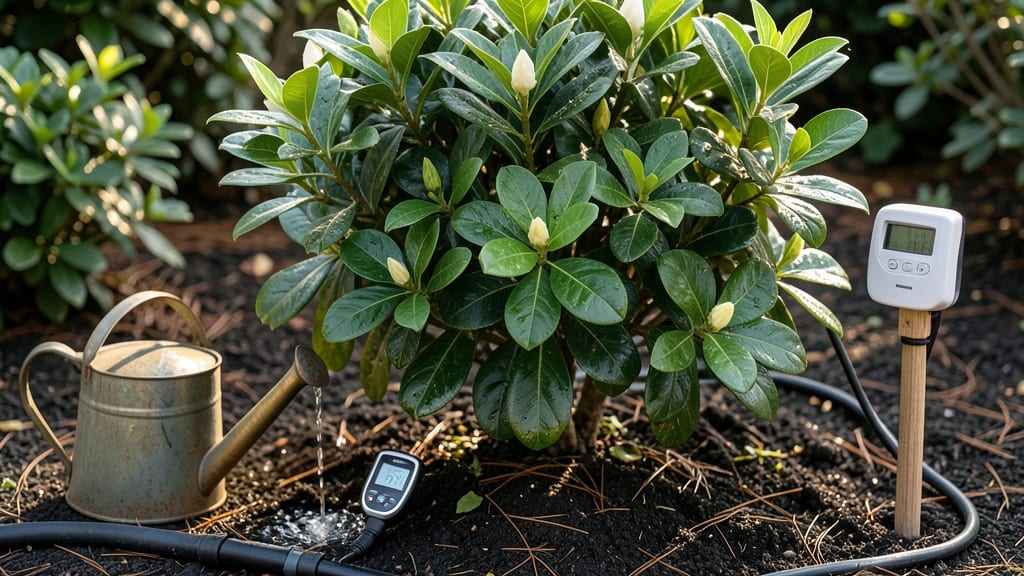
Seasonal watering schedule for shrubs: how much and when to water
Watering shrubs isn't a one-size-fits-all task—it changes with the seasons, your local climate, and even the type of shrub you're growing. Evergreens like boxwoods and holly need consistent moisture, while drought-tolerant lavender or rosemary thrive on neglect.
The key is understanding when to water deeply, how to check soil moisture, and when to let nature take over. Let's break down the science-backed schedule to keep your shrubs healthy year-round without drowning their roots.
Most gardeners make two critical mistakes: overwatering in spring and underwatering in summer heat. The solution? A seasonal watering plan that adjusts for temperature, rainfall, and plant type.
For example, newly planted shrubs need 1-2 inches of water weekly for the first year, while established shrubs can often survive on rainfall alone. Below, we'll cover how to tailor your watering routine to each season and shrub type.
Spring is all about re-establishing roots after winter dormancy. Newly planted shrubs need deep, consistent watering—aim for 1-2 inches per week, whether from rain or your hose. For established shrubs, check soil moisture by sticking your finger 2 inches deep.
If it feels dry, water thoroughly. Evergreens like juniper or arborvitae are especially thirsty in spring as they prepare for summer growth.
Summer heat demands deep, infrequent watering to encourage strong root systems. Water in the early morning (before 10 AM) to reduce evaporation and fungal risks. Most shrubs need 1-1.5 inches of water per week, but drought-tolerant varieties like butterfly bush or potentilla can survive with less.
Mulch heavily (3-4 inches) to retain moisture and cool roots. Signs of thirst include wilting leaves or a grayish-green hue.
Fall is your chance to taper off watering as shrubs prepare for dormancy. Reduce frequency to every 2-3 weeks unless you're in a dry climate. Deciduous shrubs like hydrangeas or azaleas slow their growth, so they need less water.
Evergreens still require some moisture, but avoid soggy soil—root rot is a common fall killer. Stop fertilizing by late summer to prevent new growth that won't harden off before frost.
Winter watering is often overlooked, but it's critical in drought-prone areas or for newly planted shrubs.
A light monthly watering (if no snow) keeps roots from drying out completely. Evergreens transpire (lose moisture) year-round, so they may need occasional watering even in cold months. Deciduous shrubs in dormancy can usually wait until spring. Always water in the late morning to avoid freezing soil.
Rainfall is your best free water source, but don't rely on it alone. Use a rain gauge to track weekly totals—skip watering if you've hit 1 inch.
In humid climates, you might water less frequently, while arid regions may need daily checks. Group shrubs by water needs to simplify your routine. For example
Signs your shrubs are overwatered or underwatered (and how to fix it)
Your shrubs silently scream for help when their water needs are ignored—yet the signs are often overlooked until it’s too late. Yellowing leaves or mushy stems might seem like natural aging, but they’re usually cries for help from overwatering or underwatering.
The key is learning to read your plants’ subtle cues before damage becomes permanent.
I’ve revived countless shrubs by catching these issues early, and the fix often boils down to adjusting your watering routine. Overwatered shrubs develop soggy soil, while underwatered ones show crispy edges and wilting. Let’s decode these signals so you can act fast—before your plants throw in the towel.
⚠️ How Much to Water Shrubs
Rule of thumb: Water shrubs when the top 2-3 inches of soil are dry. Deep watering (1-2 inches per session) encourages strong roots. Evergreens need 1 inch/week; deciduous shrubs prefer 1.5 inches/week in summer. Adjust for rainfall—skip watering if you’ve had 1 inch of rain.
Emergency fix: If soil is waterlogged, pause watering and let it dry. For drought stress, water deeply until moisture reaches 6 inches down.
Start with your leaves. Yellowing leaves that stay soft and mushy? That’s a red flag for overwatering. The roots are drowning, and the plant can’t absorb oxygen. Pull back on watering immediately and improve drainage by adding organic matter like compost.
If the yellowing spreads to new growth, your shrub may be suffering from root rot, which can be fatal.
Now, check the soil. Stick your finger 2-3 inches deep—if it’s damp, you’re overdoing it. Clay soil stays soggy longer, so amend it with sand or perlite to improve airflow. For underwatered shrubs, the soil will feel dry and crumbly.
Water deeply until it’s moist 6 inches down, then mulch to retain moisture. Wilting leaves that don’t perk up after watering? Your shrub might be root-bound or struggling with heat stress.
Don’t ignore fungus or mold on leaves or stems—another overwatering warning. Prune affected areas with sterilized shears and treat with fungicide if needed. For underwatered shrubs, look for brown, crispy leaf edges or leaves that fall off easily.
These plants are thirsty, not dying. Give them a slow, deep drink and monitor closely for improvement.
Pro tip: Morning watering is your best friend. It gives leaves time to dry, reducing fungal risks. If you’ve been watering at night, switch now—wet foliage overnight is an open invitation to disease.
For container shrubs, check soil moisture daily in extreme heat; they dry out 3x faster than in-ground plants.
Remember, consistency is key. Shrubs hate feast-or-famine watering. Stick to a schedule, adjust for seasonal changes, and always check the soil before reaching for the hose. Your shrubs will thank you with vibrant growth and years of beauty—not to mention saving you from costly replacements.