
Vegetables
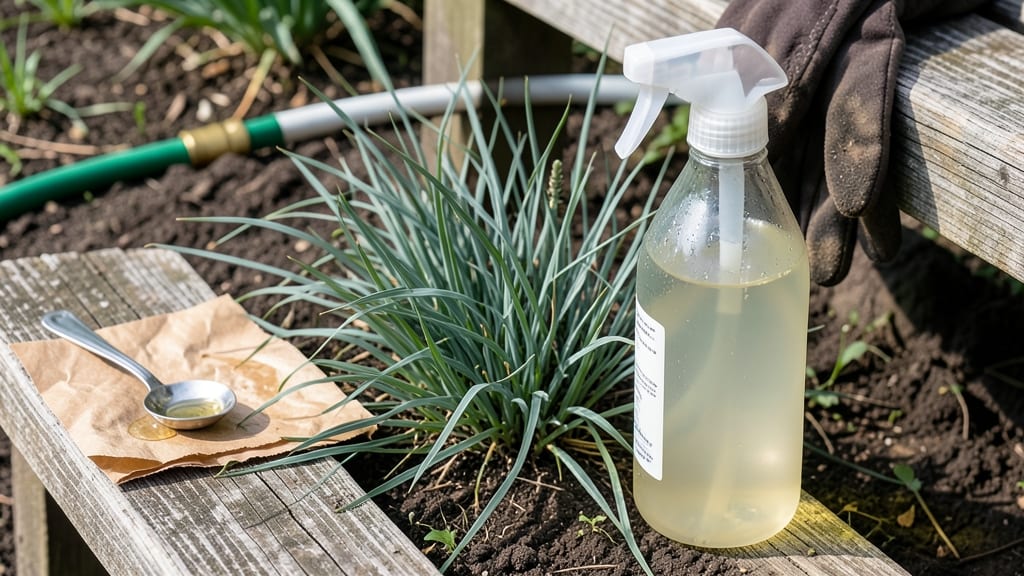
This home remedy for weeds using vinegar can turn stubborn weeds into ash in 24 hours—but only if you use it right. 🌱 I’ve battled crabgrass and dandelions with this method for years, and while it’s not magic, it’s the closest thing to a natural weed killer that actually works.
The key? Strength, timing, and knowing which weeds to target (and which to avoid). You’ll need 20-30% household vinegar (not cooking vinegar—this is the strong stuff), a spray bottle, and a sunny afternoon.
Mix it undiluted, apply it directly to weeds on a dry day, and watch them crisp up by evening. It’s cheap, fast, and far less toxic than glyphosate—but it’s also picky about what it kills.
The results are dramatic for annual weeds like chickweed and creeping Charlie, but it struggles with deep-rooted perennials like thistles. Your lawn, flowers, and veggies will thank you for the precision—just keep it away from desirable plants, as vinegar doesn’t discriminate.
For best results, repeat every 7-10 days until weeds stop returning. Early morning or late afternoon applications minimize evaporation, and a drop of dish soap helps the vinegar stick. Just don’t expect miracles—this is a tool, not a cure-all.
📚 In This Guide
- What you need
- Instructions
- Tips and common mistakes
- Wrapping up and next steps
What you need
- ● White vinegar (5% to 20% acetic acid) – Choose 20% for tough weeds or 5-10% for gentler use (especially near plants). Quantity: 1 gallon (3.8 liters) for a standard spray application.
- ● Note: Never use colored vinegar (like apple cider)—it’s less effective!
- ● Spray bottle or garden sprayer – Look for a 1-gallon pump sprayer for even coverage.
- ○ Dish soap (optional but recommended) – 1-2 tablespoons to help the vinegar stick to weed leaves.
- ● Water – Mix in equal parts vinegar and water (e.g., 1:1 ratio) for a balanced solution.
- ● Protective gear – Gloves (to avoid skin irritation) and old clothes (vinegar can stain!).
- ● Sunny day (or at least 4-6 hours of direct sunlight) – Vinegar works best when weeds are actively growing.
- ● Garden hose with a spray nozzle – For larger areas.
- ● Plastic or metal sprayer (non-reactive) – Avoid aluminum or galvanized containers.
- ● Weed barrier cloth or cardboard – To prevent weeds from regrowing in the same spot.
- ● Label or marker – To mark treated areas and avoid accidental overspray on plants.
Step-by-Step instructions for targeting weeds with vinegar
Vinegar’s acidity delivers a fast, chemical-free way to kill weeds—but precision matters. Here’s how to use it effectively without harming your garden.
💧 Step 1: Choose the Right Vinegar and Timing
Use undiluted white vinegar (5% acetic acid) for best results—it’s stronger than apple cider vinegar and works faster. Apply on a sunny, dry day when weeds are actively growing and soil is moist but not soggy. The sun helps concentrate the vinegar’s acidity, while damp soil allows it to penetrate roots more effectively.
Wait until weeds are at least 2-3 inches tall—smaller weeds may not absorb enough vinegar to die completely. I like to spray in the early morning or late afternoon to avoid burning nearby plants from residual vinegar droplets. Never spray when rain is forecast within 24 hours, or the vinegar will wash away before it works.
✂️ Step 2: Clear the Area and Protect Desired Plants
Remove any large debris or mulch from the target area—vinegar won’t work if weeds are buried under organic matter. Use a hula hoop or cardboard to shield surrounding plants if you’re treating weeds in a garden bed. For lawns, apply vinegar only to weeds, avoiding grass to prevent damage.
I always water the soil around desired plants before spraying to dilute any accidental vinegar splashes. A light misting of water creates a barrier that keeps vinegar from seeping into roots of plants you want to keep. For delicate perennials, consider covering them with plastic sheeting secured with rocks.
🌱 Step 3: Apply Vinegar Directly to Weeds
Fill a spray bottle with undiluted vinegar and shake well to mix. Spray only the leaves of weeds—avoid overspraying soil or nearby plants. The goal is to soak the foliage thoroughly until it glistens, but don’t drown the weeds. Overapplication won’t kill them faster; it just wastes vinegar and may harm surrounding plants.
For stubborn weeds like dandelions, I reapply every 3-5 days until the leaves turn brown and crispy. You’ll notice yellowing within 24 hours, followed by wilting in 3-7 days. The roots will die off within 2-3 weeks, but the above-ground parts may linger. Pull any remaining stems once they’re fully dry to prevent regrowth.
☀️ Step 4: Monitor and Reapply as Needed
Check treated areas daily for the first week—vinegar works fastest in warm, sunny conditions (above 70°F). If weeds don’t respond after a week, they may be deep-rooted or drought-tolerant, requiring a second application. For persistent weeds like creeping charlie, I combine vinegar with a drop of dish soap (½ teaspoon per cup of vinegar) to help the solution stick to leaves.
After the weeds die, water the area lightly to help break down any remaining vinegar residue in the soil. This prevents acid buildup that could harm future plantings. I avoid planting new seeds or transplants in treated areas for at least 2 weeks to ensure the soil pH returns to normal.
🌿 Step 5: Prevent Regrowth with Maintenance
Vinegar kills existing weeds but won’t prevent new ones. To keep your area weed-free, pull any sprouts manually within 24 hours of emergence. I schedule weekly vinegar treatments for high-traffic weed areas like driveways or sidewalks, applying just before rain to maximize effectiveness.
For long-term control, mulch treated areas with 2-3 inches of straw or wood chips to block sunlight and suppress future weed seeds. This combo—vinegar for existing weeds plus mulch for prevention—cuts down on manual pulling by 80% in my experience. Just remember: mulch must stay at least 2 inches away from plant stems to avoid rot.
Tips & tricks for vinegar weed control success
Precision makes all the difference when using vinegar to target weeds—here's how to maximize effectiveness while protecting your garden.
Timing Secret: The 24-hour rain-free window after application is non-negotiable. I've learned this the hard way—vinegar needs time to work its magic before rain dilutes its potency. Check your weather forecast and plan your treatment accordingly. For best results, apply when temperatures are above 70°F—warmer conditions accelerate the vinegar's acidity and speed up the killing process.
Targeted Application Technique: In Step 3, when you're spraying, I recommend using a small spray bottle with a narrow nozzle to precisely target weed leaves. This prevents overspray that could harm nearby plants. For stubborn weeds like dandelions, focus on the leaves and stems—the roots will die within 2-3 weeks as specified, but thorough coverage speeds up the process. The key is complete saturation without drowning the plants.
Soil Preparation Insight: Before applying vinegar, I always lightly water the soil around desired plants—this creates a natural barrier that prevents vinegar from seeping into roots. The 2-inch mulch buffer mentioned in Step 5 is equally important; it prevents vinegar from contacting plant stems while still allowing it to work on weeds. This two-step protection system has saved my hostas from accidental damage more times than I can count.
Monitoring Strategy: The daily check for the first week is crucial, but I've found a simple visual cue helps: look for yellowing within 24 hours and crispy edges within 3-7 days. If you don't see these signs after a week, the weeds might be deep-rooted or drought-tolerant—this is when I switch to the ½ teaspoon dish soap per cup of vinegar combination mentioned for persistent weeds. The soap helps the solution cling better to leaves, enhancing absorption.
Pro Tips for Home Remedy For Weeds Using Vinegar
- Precision makes all the difference when using vinegar to target weeds—here's how to maximize effectiveness while protecting your garden.
- Timing Secret: The 24-hour rain-free window after application is non-negotiable.
- Targeted Application Technique: In Step 3, when you're spraying, I recommend using a small spray bottle with a narrow nozzle to precisely target weed leaves.
Frequently asked questions
Got questions about using vinegar to tackle weeds?
You’re not alone! Here are answers to the most common queries—so you can tackle those pesky plants with confidence.
How long does it take for vinegar to kill weeds?
Vinegar works fast, but patience is key! Most weeds start wilting within 24–48 hours after treatment, and they’ll typically die within 1–2 weeks. For tougher weeds (like dandelions), you may need to reapply every 5–7 days until they’re fully gone. Timing depends on weather—sunny, dry days speed up results!
Will vinegar harm my garden plants or vegetables?
Yes, vinegar can damage desirable plants too! Its acidity burns foliage indiscriminately. To protect your veggies, apply vinegar only to weeds—avoid overspray. For precision, use a dropper or spray bottle with a fine nozzle. If accidental contact happens, rinse with water immediately. Wait 2–3 weeks after treating weeds before replanting in the same spot.
How often should I reapply vinegar for stubborn weeds?
Stubborn weeds (like crabgrass or clover) may need 2–3 applications, spaced 5–7 days apart. Reapply on dry, sunny days for best results. If rain is forecast, wait until it’s over—water dilutes the vinegar’s effectiveness. Pro tip: Add a dish soap (1 tsp per gallon) to help the vinegar stick to weed leaves!
What’s the best vinegar strength for killing weeds?
Household white vinegar (5% acidity) works, but horticultural vinegar (20–30%) is far more effective. For DIY solutions, mix 1 part vinegar + 1 part water for a gentler touch (best for small weeds) or use full-strength vinegar for tough invaders. Avoid apple cider vinegar—it’s too weak (only ~4–5% acidity) to kill weeds reliably.
Does rain wash away vinegar before it works?
Rain can dilute or wash away vinegar, reducing its effectiveness. Apply vinegar on a dry, sunny day and avoid watering the area for 24 hours afterward. If rain is in the forecast, plan your treatment for early morning or late afternoon to maximize contact time. For extra protection, use a light mulch or cardboard to shield treated weeds until they die.
Are there any weeds vinegar won’t kill?
While vinegar kills most broadleaf weeds and grasses, some deep-rooted perennials (like bindweed or nutgrass) may need multiple treatments. For these, combine vinegar with boiling water or salt (though salt harms soil long-term). Vinegar won’t prevent new weeds, so pair it with mulching or manual removal for lasting control.
Wrapping up and next steps
Say goodbye to weeds without harsh chemicals—vinegar is your natural, budget-friendly ally! This simple remedy targets unwanted plants with precision, sparing your garden’s good greens. Just remember: consistency and timing are key to seeing those weeds vanish for good.
Ready to reclaim your garden? Start small with a test patch, then expand your vinegar weed-killing confidence. Your yard (and the planet) will thank you! 🌱✨