
Pests and Diseases
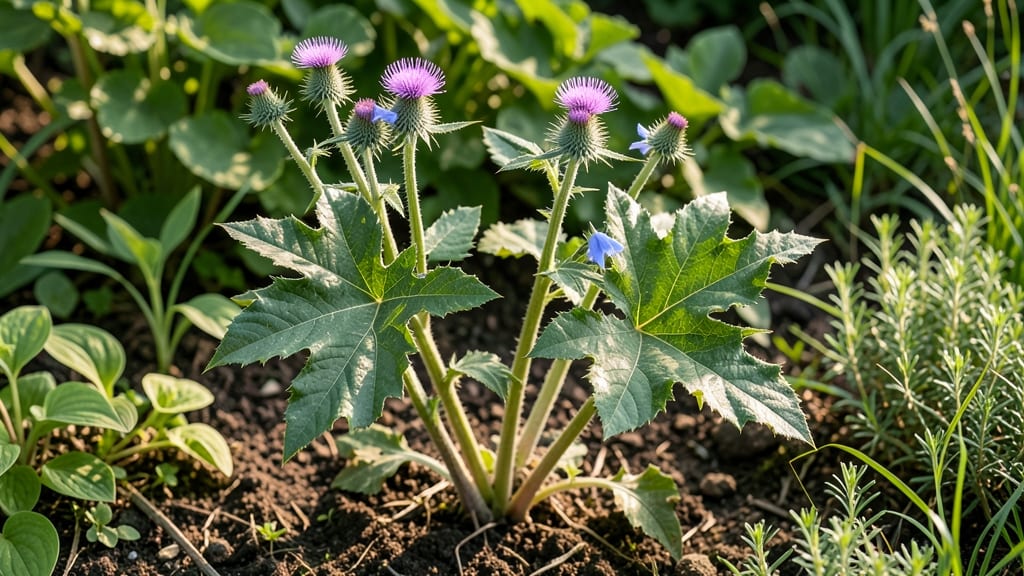
Five leaf weed isn’t just another garden nuisance—it’s a sneaky invader that smothers native plants and spreads faster than you can pull it. 🌱 I’ve battled this aggressive ground cover in my own yard, and the key to stopping it starts with knowing exactly what you’re dealing with before it takes over your garden beds.
The first step is identifying it correctly—those five glossy leaves aren’t parsley or wild carrot. Five leaf weed has smooth stems, compound leaves with pointed leaflets, and thrives in shady, moist spots where most plants struggle. One wrong move (like composting it), and you’ll have a new infestation in weeks.
With the right tools—thick gloves, pruners, and a heavy-duty trash bag—you can remove it safely. Dig deep to get the roots, seal the plants in bags, and never leave clippings behind. Prevention means monitoring soil moisture and keeping garden edges clear of debris where it hides.
Once you’ve cleared it, maintain the area with mulch or ground covers to block its return. This weed won’t quit, but with persistence, you’ll reclaim your garden—one stubborn pull at a time.
📚 In This Guide
- What you need
- Instructions
- Tips and common mistakes
- Wrapping up and next steps
What you need
- ● Five-leaf weed plants: 5-10 mature plants (3-5 feet tall) to create a dense barrier. Choose healthy, pest-free specimens.
- ● Garden gloves: A pair to protect your hands from thorns and soil.
- ● Shovel or trowel: For digging holes (6-8 inches deep and wide).
- ● Pruning shears: To trim overgrowth and shape the plants for a tighter barrier.
- ○ Mulch (optional but recommended): 2-3 bags of organic mulch (e.g., wood chips or straw) to suppress weeds and retain moisture.
- ● Watering can or hose: With a gentle spray nozzle for hydration.
- ● Measuring tape or ruler: To space plants 3-4 feet apart for optimal growth.
- ○ Pest control spray (optional): A natural, non-toxic spray (e.g., neem oil) to pre-treat plants if pests are present.
- ● Compost or fertilizer: To boost growth in nutrient-poor soil.
- ● Stakes or trellis: For young plants to support upright growth.
- ● Soil test kit: To check pH levels (five-leaf weed thrives in slightly acidic to neutral soil, pH 5.0-7.0).
- ● Edging material: Like landscape fabric or rocks to define the barrier neatly.
- ● Plant markers: To label your five-leaf weed barrier for future reference.
Step-by-step guide to establishing five-leaf weed as a natural barrier
Here's how to create an impenetrable ground cover that smothers weeds naturally.
🌱 Step 1: Choose and Prepare Your Planting Site
Five-leaf weed thrives in partial to full shade and moist, well-draining soil. Scout your area for invasive weeds first—this plant works best where you want to completely block light from reaching them. Clear existing vegetation down to bare soil, but don't till deeply. The goal is to create a clean canvas for your ground cover to spread unchecked.
Test your soil moisture by squeezing a handful—it should hold together but not feel soggy. If your soil drains too quickly, mix in 2 inches of compost to improve water retention. Five-leaf weed won't tolerate dry, compacted soil, so amending now prevents future struggles. Mark your planting boundaries with stakes and string to keep the spread contained.
🌿 Step 2: Plant Cuttings at the Right Density
Use healthy, 4-6 inch long cuttings from established five-leaf weed plants. Remove lower leaves to expose the stem nodes, then dip the cut ends in rooting hormone (optional but speeds growth). Plant cuttings 6-8 inches apart in rows 12 inches apart—this spacing ensures they'll fill in completely within 3-4 months without leaving gaps for weeds.
Push each cutting into the soil until half the stem is buried, then firm the soil gently around the base. Water immediately after planting to eliminate air pockets. The first few weeks are critical—keep the soil consistently moist (not soggy) until you see new growth. You'll know it's taking root when small leaves appear along the buried stem, usually within 2-3 weeks.
💧 Step 3: Maintain Moisture and Monitor Growth
Water deeply 2-3 times per week during the first growing season, aiming for 1 inch of water per week. Five-leaf weed spreads through rhizomes, so consistent moisture encourages aggressive horizontal growth. Use a soaker hose to water at the base—avoid overhead watering, which can promote fungal diseases in dense plantings.
Watch for first signs of spread—you'll notice new shoots appearing between plants after 4-6 weeks. This is when you should thin any overcrowded areas by removing the weakest shoots. By season's end, your barrier should be 90% covered with five-leaf weed, leaving only small gaps for final touch-ups next spring.
✂️ Step 4: Manage Edges and Prevent Spread Beyond Your Area
As your barrier matures, trim the edges monthly with sharp shears to maintain clean borders. Cut back any rhizomes that creep beyond your marked boundaries—this plant spreads rapidly and can become invasive itself if unchecked. The key is proactive maintenance: a 2-inch trim every month keeps it contained while still allowing full coverage.
Once fully established (after 1-2 years), your five-leaf weed barrier will completely smother unwanted plants by blocking sunlight. You'll know it's working when you see no new weed sprouts emerging through the dense mat. At this point, water needs drop to once weekly—the thick ground cover retains moisture beautifully.
🌿 Step 5: Long-Term Care for a Permanent Barrier
After the first year, your barrier requires minimal care. Mulch lightly with 1 inch of shredded leaves in early spring to protect against temperature swings and suppress any late-emerging weeds. Avoid heavy mulch—it can smother your five-leaf weed if applied too thickly.
Check for bare spots annually and fill them with new cuttings. Over time, the rhizomes will naturally fill gaps, but proactive planting ensures 100% coverage within 2-3 years. The most important rule? Never let it dry out completely—even established plants will thin if moisture becomes inconsistent. With proper care, your barrier will last decades, creating a low-maintenance, chemical-free solution to invasive weeds.
Tips & tricks for perfect five-leaf weed barrier
Here's what nobody tells you about creating an effective, long-lasting weed barrier.
Site Preparation Secret: Before planting, test your soil moisture by squeezing a handful—it should hold together like a damp sponge. If it crumbles, your soil drains too quickly, and you'll need to mix in 2 inches of compost to improve water retention. This step is non-negotiable; dry soil will stunt your five-leaf weed's aggressive spread. I learned this the hard way after watching my first planting struggle in sandy soil.
Planting Density Matters: The 6-8 inch spacing between cuttings in rows 12 inches apart isn't arbitrary—it creates the perfect balance between rapid coverage and plant health. Too close, and you'll have overcrowding; too far, and weeds will sneak through. After the initial 3-4 months, you'll see why this spacing works: the rhizomes will naturally fill any gaps without requiring additional planting.
Watering Wisdom: The 2-3 times per week watering schedule during the first season is crucial, but timing matters just as much. Water in the early morning so the leaves have time to dry, preventing fungal diseases that thrive in damp conditions. I use a soaker hose to deliver water directly to the roots—overhead watering can create a perfect environment for mold, especially in dense plantings.
Edge Maintenance Strategy: Those monthly 2-inch trims might seem excessive, but they're what keeps your barrier contained and looking sharp. I set a calendar reminder for this because, trust me, once you see how fast this plant spreads, you'll want to stay on top of it. A sharp pair of shears makes quick work of it, and it only takes about 10 minutes to trim a 10-foot border.
Pro Tips for Five Leaf Weed
- Here's what nobody tells you about creating an effective, long-lasting weed barrier.
- Site Preparation Secret: Before planting, test your soil moisture by squeezing a handful—it should hold together like a damp sponge.
- Planting Density Matters: The 6-8 inch spacing between cuttings in rows 12 inches apart isn't arbitrary—it creates the perfect balance between rapid coverage and plant health.
Frequently asked questions
What exactly is five leaf weed, and why is it a problem?
Five leaf weed is a fast-growing, aggressive annual plant that forms dense mats, blocking sunlight and crowding out native plants, crops, and garden beds. It thrives in moist, disturbed soils and spreads rapidly via seeds, making it a nightmare for gardeners and farmers alike. Its thick foliage also creates ideal conditions for pests and diseases.
How long does it take for five leaf weed to choke out other plants?
This weed can sprout in as little as 10–14 days after germination and form dense ground cover within 4–6 weeks. If left unchecked, it can completely smother nearby plants within 2–3 months, especially in high-moisture areas. Early intervention is key!
What’s the best way to remove five leaf weed without it coming back?
Hand-pulling works for small patches, but for large infestations, solarization (covering the area with clear plastic for 4–6 weeks) or smothering with thick mulch is most effective. Avoid tilling—it spreads seeds deeper into the soil. For stubborn roots, a vinegar-based herbicide (20–30% acetic acid) can help, but test on a small area first.
Are there any natural alternatives to chemical herbicides?
Yes! Try these eco-friendly methods:
- Boiling water: Pour directly on the plant (best for small, localized patches).
- Corn gluten meal: Apply as a pre-emergent to prevent seeds from sprouting.
- Duckweed or barley straw: These natural smother crops release compounds that inhibit weed growth.
- Heavy mulching: Use straw, wood chips, or cardboard to block sunlight.
Consistency is key—five leaf weed is persistent, so repeat treatments may be needed.
Why does five leaf weed keep coming back even after I remove it?
This weed produces thousands of seeds per plant, which can lie dormant in the soil for years. Even a small fragment of root or stem left behind can regrow. To break the cycle:
- Remove all visible plant material (including roots).
- Avoid composting infested plants—bag and dispose of them.
- Monitor the area for at least a year to catch new sprouts.
Patience and persistence pay off!
Wrapping up and next steps
Five leaf weed isn’t just another plant—it’s a powerful, natural ally in your fight against invasive species. By harnessing its fast growth and competitive edge, you’re not only protecting your garden but also supporting a healthier ecosystem without harsh chemicals. 🌱
Ready to take action? Start small—plant a patch in your garden or share this knowledge with fellow gardeners. Every effort counts, and together, we can create a greener, more resilient future. Your garden (and the planet) will thank you!