
Flowers
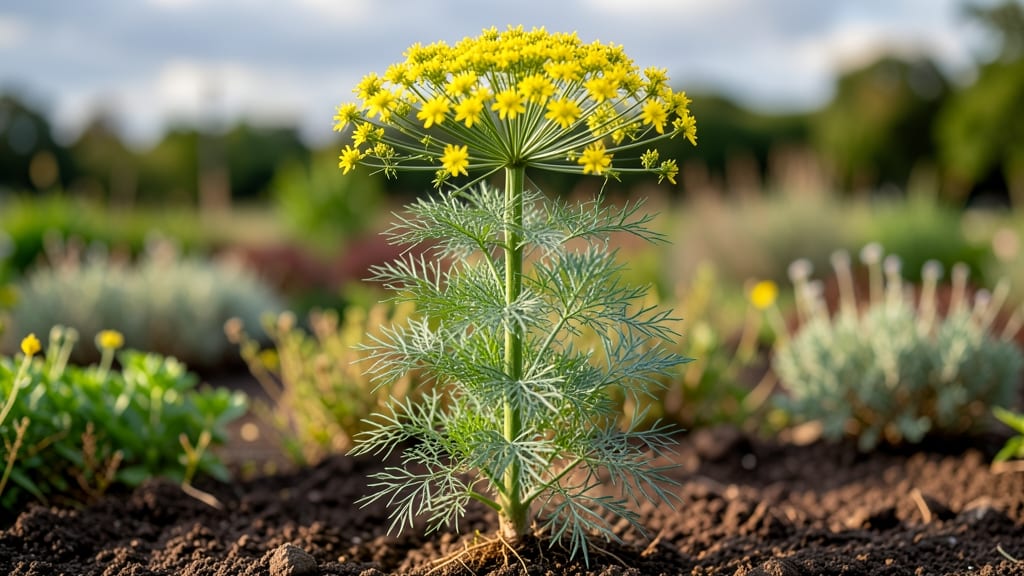
Growing dill weed flowers transforms your garden into a pollinator paradise with every seed you plant. 🌻 The delicate yellow blooms attract bees, butterflies, and beneficial insects while adding a fresh, anise-like flavor to dishes—when harvested at the right stage, they’re as good as the leaves (or even better).
This hardy annual thrives in full sun and average soil, making it perfect for beginners. Plant seeds directly in the garden after your last frost, spacing them 12-18 inches apart for air circulation.
A little patience pays off: dill grows fast, reaching maturity in just 60-70 days, and once it flowers, it keeps producing seeds for weeks.
You’ll love the dual-purpose harvest: snip flowers for garnishes or salads, or let them go to seed for homemade dill pickles. The feathery foliage stays productive even after blooming, so you get flavor and beauty in one package. Plus, it’s deer-resistant—another win for gardeners.
Pair it with tomatoes, cabbage, or cucumbers to boost their growth, and avoid planting near carrots (dill can stunt their development). With minimal care, you’ll have a fragrant, functional garden that hums with life all season long.
📚 In This Guide
- What you need
- Instructions
- Tips and common mistakes
- Wrapping up and next steps
What you need
- ● Dill seeds or seedlings: 1–2 packets of Anethum graveolens seeds (organic preferred)
- ● OR 3–5 healthy dill seedlings (check local nurseries for "biennial" varieties for best blooms)
- ● Growing space: 6–12 inches of well-draining soil (pH 6.0–7.0)
- ● Full sun (6+ hours/day) or partial shade (for cooler climates)
- ● Container (5+ gallon pot) or in-ground garden bed
- ● Watering supplies: Watering can or hose with gentle spray nozzle
- ○ Drip irrigation kit (optional, for consistent moisture)
- ● Fertilizer: Balanced organic fertilizer (5-5-5 or 10-10-10, ½ cup per 10 sq ft)
- ● Compost or worm castings (for nutrient-rich soil)
- ● Pruning tools: Sharp pruning shears or clean kitchen scissors
- ● Pollinator-friendly companion plants (e.g., basil, marigolds, or nasturtiums)
- ● Egg cartons or biodegradable pots (for seed starting)
- ● Drying rack or paper towels (to preserve harvested flowers)
- ● Food-grade spray bottle (for light pest deterrents like neem oil)
- ● Beeswax wraps or breathable cloth bags (to store blooms)
Step-by-step guide to growing and harvesting dill flowers
Here's how to coax those delicate yellow blooms from your dill plants—perfect for garnishes, teas, and attracting pollinators.
🌱 Step 1: Start with Healthy Dill Plants
Choose a sunny spot with 6+ hours of direct sunlight—dill thrives where it gets plenty of warmth. I plant mine in well-draining soil mixed with a little compost to give those roots the nutrients they need. Space plants 12-18 inches apart so they have room to grow tall and sturdy.
Water consistently to keep the soil evenly moist but not soggy. You'll know it's right when the top inch feels dry to the touch. Avoid overhead watering once flowers appear—wet petals invite fungal diseases. I water at the base in the morning so the foliage dries quickly.
☀️ Step 2: Encourage Flowering with Proper Care
Dill flowers love sunlight, so if your plants start looking leggy, they need more light. Move them to a sunnier spot or supplement with a grow light for 14-16 hours daily. You'll see the difference within a week—the stems will thicken, and leaves will darken to a richer green.
Stop fertilizing once flowers appear. Too much nitrogen encourages leafy growth at the expense of blooms. Instead, focus on keeping the soil lightly moist. The first flower buds usually appear 6-8 weeks after planting, though this varies with your climate.
🌿 Step 3: Harvest Flowers at Peak Freshness
Harvest dill flowers when 20-30% of the umbels (flower clusters) are open. This ensures you get both fresh blooms and buds that will continue opening. Use clean, sharp scissors to cut the stems at a 45-degree angle, leaving at least 4-6 inches of stem attached.
Harvest in the morning after dew has dried but before the sun gets too intense. The flowers hold their flavor and color best when picked fresh. You can use them immediately or dry them for later. I like to hang small bundles upside down in a dry, dark place for 1-2 weeks until fully dried.
⏰ Step 4: Preserve and Use Your Harvest
Once dried, strip the flowers from the stems and store them in an airtight container away from light. Dried dill flowers keep their flavor for 6-12 months, making them perfect for winter teas, potpourris, or dried flower arrangements.
For fresh use, sprinkle whole or chopped flowers over soups, salads, or fish dishes. They add a delicate anise flavor that brightens any dish. Save some blooms for pollinators—leave at least one plant unharvested to attract bees and butterflies to your garden.
Tips & tricks for perfect dill flower cultivation
Here's what I've learned after growing dill flowers for years—these little tricks make all the difference between modest blooms and a bountiful harvest.
Sunlight Strategy: Dill flowers need that 6+ hours of direct sunlight daily, but don't stop there. If your plants start stretching toward the light (called bolting), they're telling you they need more. I've found supplementing with a grow light for 14-16 hours works wonders, especially in cloudy climates. The key is seeing those stems thicken and leaves darken—those are your visual cues the light is working.
Watering Wisdom: The evenly moist but not soggy rule is critical, especially once flowers appear. I check soil moisture by feeling the top inch—if it's dry, water deeply at the base in the morning. This prevents fungal diseases that wet petals invite. A good rule of thumb: water when the soil feels like a wrung-out sponge, not a dripping wet rag.
Harvesting Hack: When harvesting those 20-30% open umbels, I always cut at a 45-degree angle and leave 4-6 inches of stem. This angled cut increases surface area for water absorption, keeping the flowers fresher longer. Plus, the extra stem length makes beautiful arrangements. Harvest in morning light when dew has dried—this preserves both flavor and color perfectly.
Preservation Pro Tip: For drying, I strip flowers from stems and store them in small paper bags (not airtight containers) for the first 24 hours. This allows any remaining moisture to evaporate before sealing in an airtight container. The paper bags prevent mold while the flowers finish drying completely. Trust me, this simple step extends their shelf life from months to a full year.
Pro Tips for Dill Weed Flowers
- Here's what I've learned after growing dill flowers for years—these little tricks make all the difference between modest blooms and a bountiful harvest.
- Sunlight Strategy: Dill flowers need that 6+ hours of direct sunlight daily, but don't stop there.
- Watering Wisdom: The evenly moist but not soggy rule is critical, especially once flowers appear.
Frequently asked questions
Got questions about harvesting, growing, or using dill weed flowers?
You’re not alone! Here are answers to the most common queries about these fragrant, edible blooms—from timing to troubleshooting.
When is the best time to harvest dill weed flowers?
Harvest dill flowers when they’re fully open but before they turn brown or release seeds (). Morning is ideal—dew-free petals are easier to handle. Snip clusters with sharp scissors, leaving lower leaves intact to encourage regrowth. Pro tip: Freeze or dry flowers immediately to preserve flavor!
How long do dill weed flowers last after picking?
Fresh dill flowers stay vibrant for 3–5 days in the fridge, stored in a damp paper towel. For longer storage, dry them in a dark, airy space (1–2 weeks) or freeze in ice cube trays with water. Dried flowers lose potency but work well in teas or potpourri!
Are dill weed flowers safe for pollinators like bees?
Dill flowers are a bee magnet—their flat umbels provide easy access to nectar and pollen. Plant them in your garden to support local ecosystems! Just avoid pesticides, and enjoy the buzzing activity. Bonus: Bees help pollinate your dill’s seeds for next year’s harvest.
Can I substitute dill weed flowers for fresh dill in recipes?
Yes, but use them sparingly! Flowers add a milder, floral twist** to dishes like salads, yogurt sauces, or cocktails (think: gin fizz!). Start with 1 tsp dried flowers per 1 tbsp fresh dill. Pair them with citrus or honey for a bright, herbal kick.
Why are my dill flowers turning yellow or dropping early?
Yellowing or wilting can signal over-maturity, heat stress, or pests. Check for aphids or spider mites (spray with soapy water if needed). Ensure plants get 6+ hours of sun and well-draining soil. Mulch to retain moisture—dill hates soggy roots!
Wrapping up and next steps
Dill weed flowers aren’t just a culinary treasure—they’re a gift to your garden and taste buds! 🌸 Whether you’re sprucing up dishes with their bright, tangy notes or supporting pollinators with their cheerful blooms, these edible flowers bring joy in every season.
Start small, experiment with recipes, and watch your garden (and kitchen) transform.
Ready to dive in? Plant a few dill seeds today—your future meals (and bees!) will thank you. 🐝✨