
Pests
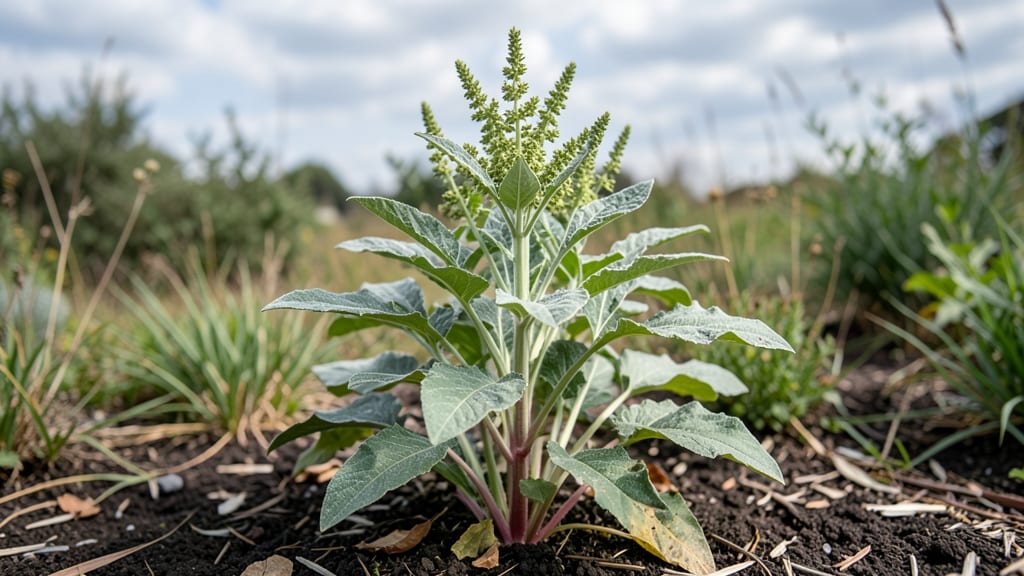
That scraggly green you're yanking from your garden might actually be the common lambsquarters weed—a wild edible that tastes better than store-bought salad mixes. 🌱 I used to pull it out by the handful until I learned it's packed with nutrients and grows like a weed (literally).
The key is telling it apart from actual weeds and knowing how to manage it without losing your veggies.
This "weed" thrives in disturbed soil and spreads like crazy, but it's also a survival food with a mild spinach-like flavor. The secret to controlling it lies in timing: pull young plants before they seed, or smother mature ones with mulch.
It's persistent, but not invincible—once you understand its lifecycle, you'll stop fighting and start working with it.
You'll end up with a garden where lambsquarters coexists with your crops, providing free greens for salads or stir-fries. The young leaves are tender and delicious, while older plants develop a slightly bitter taste.
With the right approach, you can turn this "pest" into a pantry staple and a garden ally.
Works in any climate where it grows wild—tropical, temperate, or even cold regions. Here's how to manage it without chemicals or losing your harvest.
📚 In This Guide
- What you need
- Instructions
- Tips and common mistakes
- Wrapping up and next steps
What you need
- ○ Gloves (optional but recommended) – A pair of nitrile or garden gloves to protect your hands from prickly stems or dirt.
- ● Sharp scissors or pruning shears – A pair of bypass pruners (for thicker stems) or clean kitchen scissors (for smaller harvests).
- ● Basket or breathable bag – A mesh produce bag or woven basket to keep leaves fresh and prevent bruising.
- ● Field guide or plant ID app – A reliable foraging guide (like Peterson Field Guide to Edible Wild Plants) or an app like iNaturalist to confirm identification.
- ● Plastic or stainless steel container – For rinsing and storing harvested leaves (avoid metal if storing long-term).
- ○ Spray bottle with water (optional) – Helps rinse off dust or debris quickly in the field.
- ● Garden hoe or hand weeder – A stainless steel hoe for deep tilling or a dandelion digger for precise removal.
- ● Mulch (straw, wood chips, or cardboard) – 2–3 inches of organic mulch to suppress regrowth.
- ○ Vinegar spray (optional) – A 20% acetic acid vinegar solution (mix 1 part vinegar to 3 parts water) for spot treatment.
- ● Compost bin – To repurpose pulled weeds as nutrient-rich compost.
- ● ✨ Harvest young leaves – They’re tender and packed with flavor! Older leaves are still edible but tougher.
- ● 🌡️ Avoid harvesting near roads – Pollution can accumulate in plants growing in high-traffic areas.
- ● 🎯 Check for pests – Inspect leaves for holes or bugs before cooking.
How to identify, harvest, and cook wild common lambsquarters
This fast-growing green thrives where most weeds fail—here's how to turn it into a nutritious harvest.
🌿 Step 1: Identify Lambsquarters Accurately in the Wild
Lambsquarters (Chenopodium album) has broad, triangular leaves with a slightly fuzzy texture that looks like dusted with flour. The key identifier is its hairy, silvery stems that feel rough to the touch. Young plants resemble spinach but grow faster, often reaching 12-18 inches tall in just a few weeks.
Never harvest if you see reddish stems or milky sap—those traits belong to poisonous lookalikes. I always check the underside of leaves for tiny clusters of seeds (they resemble popcorn kernels). When I'm unsure, I'll snap a stem—lambsquarters has a crisp, celery-like snap, while toxic plants feel rubbery.
🌱 Step 2: Harvest Young Leaves for Best Flavor
Pick leaves when they're 4-6 inches long—young leaves are tender and packed with nutrients. Use clean scissors or your fingers to snip the outer leaves, leaving the center growth intact. This encourages bushier regrowth. I harvest in the morning after dew dries but before midday heat—leaves stay crispest then.
Wash leaves thoroughly under cool water to remove any dirt or insect debris. I like to soak them for 2-3 minutes in a bowl of water, then drain and spin dry in a salad spinner. Never use harsh soaps—they leave residue that affects flavor. You'll know they're ready when they look vibrant green and feel slightly damp but not wet.
☀️ Step 3: Prepare and Store for Cooking
For salads, use leaves raw after a final rinse. For cooking, blanch young leaves in boiling water for 30-45 seconds until wilted but still bright green. Drain immediately and shock in ice water to preserve color. Lambsquarters has a mild, earthy taste with a slight spinach-like tang—perfect for sautéing with garlic or blending into soups.
Store in an airtight container lined with a paper towel to absorb moisture. Keep in the fridge for up to 5 days or freeze blanched leaves in a single layer on a tray before transferring to a bag. When frozen properly, they'll keep their texture for 3 months—just thaw in the fridge overnight before using.
✂️ Step 4: Encourage Regrowth for Continuous Harvest
After harvesting, water the base gently to encourage new growth. Lambsquarters thrives in disturbed soil and poor conditions—it's the ultimate survivor. I've seen it regrow after being mowed down repeatedly. Cut back any flower stalks immediately to redirect energy into leaf production.
This weed grows aggressively, so I recommend harvesting in 2-3 week cycles during spring and fall. In summer, growth slows but leaves stay tender if you keep the soil moist. The more you harvest, the more it produces—it's nature's most generous green.
Tips & tricks for perfect wild lambsquarters harvest
Here's what nobody tells you about turning wild greens into a kitchen staple without the guesswork.
Identification Secret: I learned this the hard way after mistaking lambsquarters for poison ivy—always check for that crisp celery-like snap. The fuzzy stems are your best friend: rub one between your fingers. If it feels like sandpaper, it's lambsquarters. And here's the thing: if you find it growing near roads or disturbed soil, it's more likely to be safe.
Harvesting Hack: When you're picking those 4-6 inch leaves in Step 2, focus on the youngest outer leaves first. They're packed with nutrients and tender enough to eat raw. I've found that harvesting in the morning gives you the crispest leaves—midday heat makes them wilt even before you cook them. And trust me on this: if you see any yellowing or spots, skip those leaves entirely.
Blanching Time: Those 30-45 seconds in boiling water are critical for preserving nutrients while making them safe to eat. I've ruined batches by either underblanching (which leaves them too tough) or overblanching (which turns them mushy). Here's my trick: start checking at 25 seconds—when they just begin to wilt but still hold their shape, that's perfect. The ice water bath after is what keeps them vibrant green, not just a quick rinse.
Regrowth Strategy: The 2-3 week harvest cycle in Step 4 works best if you water the base thoroughly right after harvesting. I've seen plants bounce back from being mowed down completely—just give them a good drink and they'll send up new growth in days. And if you notice flower stalks forming, snip them immediately. Those stalks sap energy that could be going into leaf production.
Pro Tips for Common Lambsquarters Weed
- Here's what nobody tells you about turning wild greens into a kitchen staple without the guesswork.
- Identification Secret: I learned this the hard way after mistaking lambsquarters for poison ivy—always check for that crisp celery-like snap.
- Harvesting Hack: When you're picking those 4-6 inch leaves in Step 2, focus on the youngest outer leaves first.
Frequently asked questions
Got questions about common lambsquarters? You’re not alone!
This versatile weed is often misunderstood—whether you’re curious about its edibility, how to manage it in your garden, or why it keeps popping up. Here are answers to the most common queries to help you navigate this green goldmine.
Is common lambsquarters really edible, or is that just a myth?
Absolutely edible—and delicious! All parts of the plant (leaves, stems, and even seeds) are safe to eat when young and tender. Think of it as nature’s free spinach or quinoa. Just avoid over-mature plants, which can taste bitter or stringy. Harvest leaves before flowering for the best flavor!
How do I tell common lambsquarters apart from poisonous look-alikes?
Lambsquarters has distinctive triangular, hairy leaves with a slightly waxy coating. Unlike poison ivy or hemlock, it lacks three-leaf clusters or a musty odor. For extra safety, press a leaf—if it releases a milky sap, it’s likely edible. When in doubt, consult a local foraging guide or app!
Will common lambsquarters take over my garden if I don’t control it?
Yes, it’s a prolific spreader! This weed reproduces via seeds and can germinate year-round in warm climates. To keep it in check, pull young plants by hand or use a hoe for larger patches. Mulching helps suppress regrowth, and regular garden maintenance reduces its chances of dominating your space.
Can I use common lambsquarters as a natural fertilizer or compost?
Lambsquarters is nutrient-rich, making it a fantastic green manure or compost booster. Chop up leaves and stems, mix them into your compost pile, or till them into the soil to improve fertility. Just avoid overloading—balance it with carbon-rich materials (like dry leaves) for optimal decomposition.
What’s the best way to cook common lambsquarters if I’m new to foraging?
Start simple! Sauté young leaves in butter or olive oil like spinach (3–5 minutes max). For a twist, blend leaves into soups, pesto, or smoothies. Roast seeds like quinoa for a protein-packed snack. Pro tip: Blanch older stems to soften them before cooking. Always taste-test small amounts first!
Wrapping up and next steps
Common lambsquarters isn’t just a pesky weed—it’s a nutritious, versatile green that can outshine store-bought salad mixes! Whether you’re foraging for free food, reducing waste, or exploring sustainable gardening, this edible green offers a delicious, zero-cost solution. 🌱
Ready to put your newfound knowledge to work? Start small: harvest a few leaves for a quick sauté or blend them into smoothies. Share your success (or funny foraging fails!) with fellow green thumbs—you’re part of a growing movement of eco-conscious eaters!