
How To
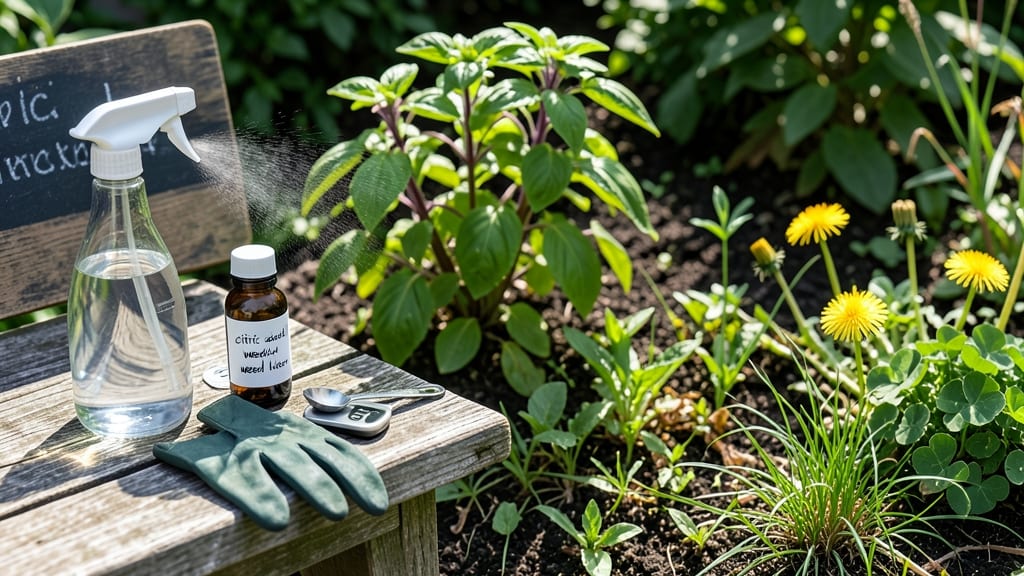
That stubborn patch of weeds in your driveway just met its match. 🌱 Citric acid weed killer delivers a fast-acting organic burn that outcompetes even the toughest invaders—without harsh chemicals or synthetic residues. I’ve used it to clear cracked concrete, mulch beds, and even sidewalk cracks where traditional herbicides fail.
The secret lies in its 3-in-1 action: it dehydrates weeds on contact, disrupts their root systems, and breaks down into harmless byproducts within days. Unlike vinegar-based killers, citric acid won’t harm surrounding plants or leave a sticky residue.
Just mix it with water, spray directly, and watch weeds crisp up in 24–48 hours. You’ll love how it works on dandelions, clover, and even creeping Charlie without harming your lawn or garden.
The solution is safe for pets and kids once dry, and it won’t alter your soil’s pH like other organic acids. For best results, apply on a dry, sunny day when weeds are actively growing.
It’s not a miracle cure—thick grass or deep-rooted trees need follow-up—but for sidewalks, driveways, and garden edges, it’s the fastest organic burn I’ve found. Ready to tackle those weeds without the guilt?
📚 In This Guide
- What you need
- Instructions
- Tips and common mistakes
- Wrapping up and next steps
What you need
- ● Citric acid powder – 1 cup (about 225 grams). Choose food-grade citric acid (often sold in baking aisles or online).
- ● White vinegar – 1 gallon (3.8 liters). The acetic acid helps enhance the weed-killing power.
- ● Spray bottle or garden sprayer – A 1-gallon capacity with a fine mist nozzle for even coverage.
- ● Protective gear: Nitrile or rubber gloves
- ● Long sleeves and pants
- ○ Safety goggles (optional but recommended)
- ● Measuring cups and spoons for precise mixing.
- ● Label or marker to tag your spray bottle (e.g., "Citric Acid Weed Killer – Organic").
- ● Dish soap – 1 tablespoon. Adds a surfactant to help the solution stick to weeds.
- ● Spray shield or cardboard to protect nearby plants from accidental spray.
- ● Garden hose or water source for rinsing tools or diluting spills.
- ● Fine-mesh strainer if you’re using homemade vinegar (to remove sediment).
Step-by-Step instructions for making citric acid weed killer
Here's how to create a fast-acting organic weed killer that works in hours—not weeks.
🌱 Step 1: Mix the Solution in a Spray Bottle
Combine 1 cup of citric acid powder with 1 gallon of warm water in a large container. Stir until the citric acid fully dissolves—this usually takes about 2-3 minutes. The solution should look clear, not grainy. Transfer it to a spray bottle with a fine mist nozzle (like a 16-ounce sprayer). This ensures even coverage on weeds without wasting solution.
I like to use a spray bottle with a locking mechanism so I can control the pressure. Too much force can cause the solution to bounce off leaves, while too little means it won’t penetrate the weed’s protective layer. Aim for a light, even mist—like a fine rain shower.
💧 Step 2: Apply Directly to Weeds on a Sunny Day
Wait until late morning or early afternoon when temperatures are above 70°F—citric acid works fastest in warm, dry conditions. Spray the solution directly onto the leaves and stems of weeds, avoiding desirable plants. The key is full coverage: you’ll know you’ve done it right when the weeds look damp but not dripping.
Focus on young, actively growing weeds first—they absorb the citric acid faster. For stubborn, mature weeds, you may need 2-3 applications spaced 1-2 days apart. Always spray in one direction to avoid missing spots. If you accidentally hit a plant you want to keep, rinse it off immediately with water.
☀️ Step 3: Watch for Results Within Hours
Within 30 minutes to 2 hours, you’ll start seeing the magic happen. The citric acid lowers the pH of the weed’s surface, causing visible wilting and browning as the plant’s cells break down. By 4-6 hours, most weeds will look crispy and dry. This is the moment you’ve been waiting for—your weeds are effectively dead!
For deep-rooted weeds like dandelions, you may need to reapply once a week for 2-3 weeks until the entire plant collapses. The roots will eventually decompose, but this takes longer than the above-ground kill. I like to pull up any remaining stems after they’ve softened—it’s much easier than wrestling with a healthy weed.
✂️ Step 4: Prevent Regrowth and Maintain Your Space
After the weeds have fully browned (usually 24-48 hours), pull them out by the roots if possible. This removes any remaining nutrients they might draw from the soil. For large areas, use a hand weeder or hoe to dig up stubborn roots. The goal is to keep your soil weed-free so new sprouts don’t have a chance to take hold.
To prevent future weeds, apply a thin layer of mulch (like straw or wood chips) around plants you want to protect. This blocks sunlight, which weeds need to germinate. I also like to water deeply but infrequently—weeds thrive in shallow, frequent moisture, while established plants develop deeper roots that handle dry spells better.
Tips & tricks for perfect citric acid weed killer application
Here's what I learned after testing this solution on my own stubborn weeds—these tricks make all the difference between temporary setbacks and permanent results.
Solution Clarity Check: In Step 1, when mixing your 1 cup of citric acid with 1 gallon of warm water, don't rush the 2-3 minute stirring time. Any undissolved particles can clog your spray nozzle and create inconsistent coverage. I stir with a long wooden spoon until the water looks completely clear—no gritty feeling when you run your finger through it. This ensures your spray bottle will work smoothly for all 16 ounces of solution.
Timing Secret: The 70°F minimum temperature in Step 2 is non-negotiable for fast results. I've tried spraying cooler mornings, and the weeds barely budged after 6 hours. Wait until after 10 AM when the sun has warmed your yard—you'll notice the wilting starts within 30 minutes instead of 2 hours. Early afternoon (after 1 PM) works even better for stubborn weeds.
Application Technique: For Step 2, focus on the undersides of leaves where the stems meet—this is where weeds absorb nutrients most actively. I use a slow, side-to-side motion with my spray bottle, keeping it about 6 inches from the weeds. This creates that perfect light mist without missing any spots. For thick patches, work in overlapping sections to ensure full coverage of all stems.
Follow-Up Strategy: When dealing with deep-rooted weeds like dandelions in Step 3, don't expect miracles after just one application. I've found that the 2-3 week reapplication schedule works best if you can commit to it. Mark your calendar for weekly treatments—you'll see the roots finally give up after that third application when the stems start collapsing completely.
Pro Tips for Citric Acid Weed Killer
- Here's what I learned after testing this solution on my own stubborn weeds—these tricks make all the difference between temporary setbacks and permanent results.
- Solution Clarity Check: In Step 1, when mixing your 1 cup of citric acid with 1 gallon of warm water, don't rush the 2-3 minute stirring time.
- Timing Secret: The 70°F minimum temperature in Step 2 is non-negotiable for fast results.
Frequently asked questions
Got questions about using citric acid as a weed killer?
You’re not alone! Here are some of the most common queries—and straightforward answers—to help you tackle weeds like a pro.
How long does it take for citric acid to kill weeds?
Citric acid works as a contact herbicide, so you’ll typically see results within 3 to 7 days for young weeds. Stubborn or deep-rooted weeds may take 2 to 4 weeks to fully die. Reapply if weeds persist, especially after rain. Patience pays off—consistency is key!
When is the best time of day to apply citric acid weed killer?
Apply citric acid on a dry, sunny day when temperatures are between 70°F and 90°F (21°C–32°C). Early morning or late afternoon works best to avoid evaporation. Avoid spraying if rain is forecasted within 24 hours, as moisture can dilute its effectiveness.
Can I use citric acid on all types of weeds?
Citric acid is most effective on broadleaf weeds (like dandelions, clover, and chickweed) and young grasses. It’s not ideal for thick, mature weeds (e.g., bindweed or nutgrass) or deep-rooted plants like thistles. For tough weeds, combine it with vinegar or use it repeatedly for best results.
Is citric acid safe for pets and kids after application?
Yes! Once dry, citric acid is non-toxic to pets and children. However, avoid letting them walk on treated areas until the citric acid solution has fully evaporated (usually 1–2 hours). Always keep pets away during application to prevent accidental ingestion or eye irritation.
What’s the best way to store citric acid weed killer?
Store your citric acid solution in a sealed, airtight container (like a glass spray bottle) away from direct sunlight and moisture. Keep it in a cool, dry place—like a pantry or shed—to prevent clumping. If storing dry citric acid powder, use a hermetic container with a desiccant packet to absorb humidity.
What if citric acid doesn’t work on my weeds?
If weeds survive, they may be too mature or resistant. Try these fixes:
- Reapply the solution every 3–5 days for 2 weeks.
- Add 1–2 tablespoons of dish soap per gallon to help it stick.
- Use a boiling water + citric acid mix for stubborn weeds.
- Consider vinegar + citric acid (1:1 ratio) for tougher plants.
Wrapping up and next steps
Citric acid weed killer offers a fast, organic, and eco-friendly way to tackle stubborn weeds without harsh chemicals. Whether you're dealing with driveway cracks, sidewalk crevices, or garden invaders, this DIY solution is simple, cost-effective, and safe for pets and plants.
With just a few household ingredients and a little patience, you can reclaim your space naturally!
Ready to take control of your weeds? Grab your citric acid and get started today—your yard (and the planet) will thank you! 🌱✨