
Advice
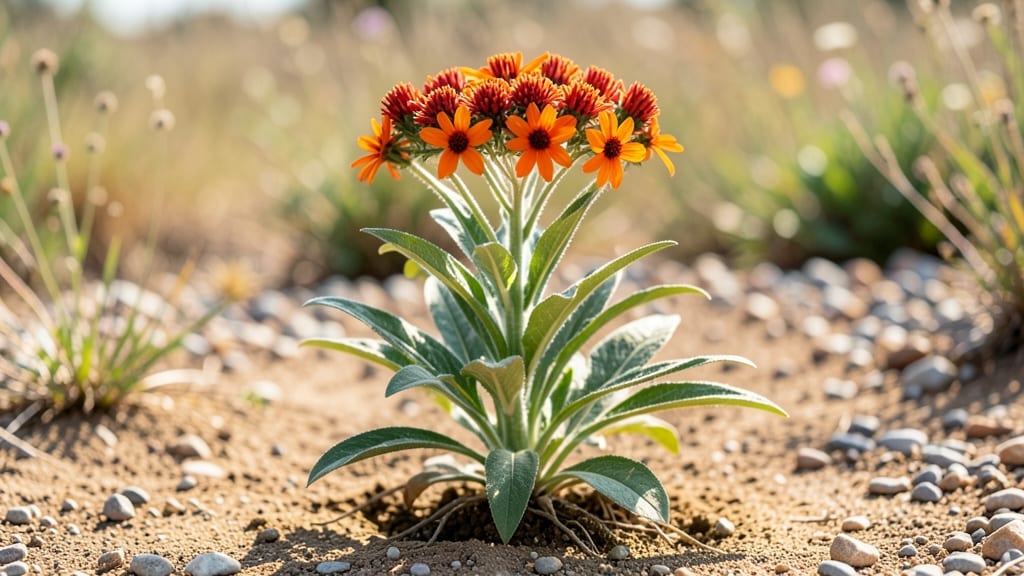
Butterfly weed pics of its fiery orange blooms turn heads and wings alike. 🌼 I’ll never forget the first time I spotted monarch caterpillars munching on my plants—it felt like hosting a royal visit. This native beauty isn’t just stunning; it’s a pollinator magnet that keeps your garden buzzing from June through September.
The secret to showcasing butterfly weed lies in placement. Try it as a bold border along pathways, where its bright blooms catch the eye, or nestle it into wildflower meadows for a natural, layered look.
Pair it with purple coneflowers or black-eyed Susans for a color palette that hummingbirds can’t resist.
You’ll end up with a garden that feels alive—monarchs fluttering between blooms, bees collecting pollen, and late-summer seed pods adding texture. The best part? It thrives in poor soil and full sun, making it the low-maintenance star of any pollinator-friendly design.
Works in cottage gardens, native plant landscapes, or even container arrangements. Let’s make your garden the neighborhood’s top butterfly buffet!
📚 In This Guide
- What you need
- Instructions
- Tips and common mistakes
- Wrapping up and next steps
What you need
- ● Seeds or seedlings: 5–10 butterfly weed seeds (or 3–5 seedlings for a small garden patch). Opt for organic, non-GMO seeds for the best results.
- ● Well-draining soil: A mix of native soil, compost (20–30%), and sand or perlite (10–20%) to prevent root rot. pH 6.0–7.5 is ideal.
- ● Sunlight: A full-sun location (6+ hours of direct sunlight daily). Partial shade may reduce blooms.
- ● Watering can or hose: With a gentle spray nozzle to avoid displacing seeds.
- ○ Mulch (optional but recommended): Pine straw or gravel (1–2 inches) to retain moisture and deter weeds.
- ● Garden trowel or transplanting spade (for digging holes or seed trenches).
- ● Gloves (to protect hands from prickly milkweed sap).
- ● Pruning shears (for deadheading spent blooms or trimming leggy growth).
- ○ Stakes or cages (optional):** If your region has strong winds, lightweight stakes can support taller plants.
- ● Best planting time: Seeds: Late spring (after last frost) or early fall in mild climates.
- ● Seedlings: Spring or early summer (avoid transplanting in extreme heat).
- ● Patience: Butterfly weed grows slowly—expect blooms in 2–3 years from seed!
- ● Pollinator-friendly zone: Native to USDA Hardiness Zones 3–9; check local regulations for invasive species rules.
How to grow butterfly weed for stunning summer pollinator attraction
This hardy native perennial delivers bold orange blooms and thrives with minimal fuss—here’s how to establish it for years of pollinator traffic.
🌱 Step 1: Select the Perfect Planting Location
Butterfly weed (Asclepias tuberosa) craves full sun—at least 6-8 hours daily—and tolerates poor, dry soil once established. Scout your yard for a spot with well-draining soil and minimal competition from aggressive grasses or weeds. I always avoid low-lying areas where water pools after rain, as soggy roots lead to root rot.
Test your soil’s drainage by digging a 6-inch hole, filling it with water, and timing how long it takes to drain. If it holds water beyond 1 hour, amend with sand or compost to improve airflow. Butterfly weed’s deep taproot means it won’t tolerate frequent soil disturbances, so choose a permanent home.
☀️ Step 2: Prepare the Soil for Optimal Growth
While butterfly weed adapts to sandy or rocky soil, it performs best in slightly acidic to neutral pH (6.0-7.0). Spread 2 inches of compost over the planting area and mix it into the top 6 inches of soil using a garden fork. Avoid fresh manure—its high nitrogen content encourages leafy growth at the expense of blooms.
For containers, use a fast-draining mix (equal parts potting soil, perlite, and coarse sand). Butterfly weed’s roots need oxygen, so never use garden soil alone. I like to add a slow-release fertilizer (like 10-10-10) at planting time to jumpstart root development without overfeeding.
🌿 Step 3: Plant Bare-Root or Container-Grown Plants
For bare-root plants, soak the roots in lukewarm water for 1 hour before planting to revive them. Dig a hole twice as wide as the root ball but only as deep—planting too deeply suffocates the crown. Gently loosen the roots and position the plant so the top of the root ball sits level with the soil surface. Fill around it with native soil, tamping lightly to eliminate air pockets.
Container-grown plants require the same depth but may need slightly more space between roots and soil to prevent transplant shock. Water deeply to settle the soil, then add a 1-inch layer of mulch (like pine straw or shredded bark) to retain moisture and suppress weeds. Keep mulch 2 inches away from the stem to prevent rot.
💧 Step 4: Water and Maintain Through the First Season
Water newly planted butterfly weed deeply once weekly for the first month, ensuring the soil reaches 6 inches down. After that, reduce watering to every 2-3 weeks—this plant stores moisture in its roots and despises soggy conditions. You’ll know it’s thriving when new pencil-thin stems emerge in spring; these are its signature milkweed shoots.
Fertilize lightly in early spring with a low-nitrogen, high-phosphorus formula (like 5-10-10) to encourage blooms. Avoid fertilizing after mid-summer, as new growth won’t harden off before winter. Deadhead spent flowers in late summer to redirect energy to root development for next year’s blooms.
✂️ Step 5: Protect and Propagate for Long-Term Success
Butterfly weed’s milky sap deters most pests, but watch for aphids or spider mites on new growth. Blast them off with a strong spray of water or treat with neem oil if they persist. In late fall, cut back the foliage to 2 inches tall to prevent disease overwintering, but leave the seed pods—monarch caterpillars rely on them for food.
Divide mature clumps in early spring by digging up the plant, separating the roots, and replanting sections 12-18 inches apart. This ensures vigorous blooms and prevents overcrowding. With proper care, one plant can spread into a 3-foot-wide colony within 3-4 years, creating a pollinator magnet.
Tips & tricks for growing stunning butterfly weed
Here's what nobody tells you about making your butterfly weed thrive like a pollinator paradise.
Location is Everything: The 6-8 hours of full sun requirement isn't just about light—it's about heat. I've seen butterfly weed struggle in western exposures where afternoon sun gets too intense. If you're planting in a hot climate, consider partial afternoon shade to prevent leaf scorch while still getting morning sun. The key is finding that sweet spot where the plant gets consistent warmth without stress.
Soil Test Savvy: That 1-hour drainage test in Step 1 is your secret weapon. I've learned the hard way that clay-heavy soils can fool you—water might drain quickly at first but then pool later. For containers, mix in extra perlite (up to 30% of the total mix) to ensure that critical oxygen flow to those deep roots. Remember, butterfly weed's taproot can grow 3 feet deep—give it room to breathe.
Planting Precision: When you're positioning that root ball in Step 3, don't just eyeball it. Use a small stake or pencil to mark where the soil line should be before you start filling. I've seen gardeners plant too deep by accident, which suffocates the crown and leads to rot. The top of the root ball should sit just above ground level—this prevents water from pooling around the stem.
Watering Wisdom: The deep weekly watering for that first month isn't just about quantity—it's about technique. Use a soil probe or long screwdriver to check that moisture at 6 inches deep. If it's dry, water again immediately. This plant stores moisture in its roots, but those roots need to establish first. After the first month, let the soil dry completely between waterings—this forces the plant to develop its natural drought tolerance.
Pro Tips for Butterfly Weed Pics
- Here's what nobody tells you about making your butterfly weed thrive like a pollinator paradise.
- Location is Everything: The 6-8 hours of full sun requirement isn't just about light—it's about heat.
- Soil Test Savvy: That 1-hour drainage test in Step 1 is your secret weapon.
Frequently asked questions
Got questions about butterfly weed? We’ve got answers!
Whether you’re curious about growing conditions, pollinator appeal, or how to snap the perfect butterfly weed pics, this FAQ covers the basics. Let’s dive in!
When is the best time to plant butterfly weed for maximum blooms?
Plant butterfly weed (Asclepias tuberosa) in early spring (after the last frost) or early fall for the best results. This gives roots time to establish before summer heat. If planting from seed, start indoors 6–8 weeks before the last frost—it’s a slow germinator! For container gardens, spring planting works too, just ensure well-draining soil.
Why aren’t butterflies visiting my butterfly weed? Troubleshooting tips?
Butterfly weed is highly attractive to monarchs and other pollinators, but a few issues might deter them:
- Pesticides: Avoid herbicides or insecticides—these kill beneficial bugs too! Opt for organic solutions.
- Timing: Blooms peak in late spring to early summer; plant nearby nectar sources (like milkweed or coneflowers) for extended visits.
- Location: Place it in full sun (6+ hours/day) and avoid windy spots where pollinators hesitate.
- Age: Young plants may not bloom yet—be patient! Mature plants (2+ years) are magnet for butterflies.
How do I take the best butterfly weed pics for social media?
Capture stunning shots with these pro tips:
- Golden hour: Shoot at sunrise or sunset for soft, warm lighting that makes orange blooms pop.
- Backgrounds: Use a blurred greenery backdrop (like a garden or meadow) to highlight the flowers.
- Action shots: Wait for butterflies to land—focus on their delicate wings on the petals for dynamic pics!
- Edit lightly: Boost vibrancy (not saturation) in apps like VSCO or Lightroom to enhance the orange hue naturally.
Can I grow butterfly weed in containers? What’s the ideal setup?
Butterfly weed thrives in containers if you:
- Use a 5+ gallon pot with drainage holes to prevent root rot.
- Choose well-draining soil (mix potting soil with perlite or sand).
- Place in full sun (a balcony or patio works great).
- Water deeply but infrequently—let soil dry between waterings (drought-tolerant once established!).
Pro tip: Add a slow-release fertilizer in spring to boost blooms!
What are some low-maintenance alternatives to butterfly weed?
If butterfly weed’s care level feels too hands-off for you, try these pollinator-friendly, drought-tolerant plants:
Plant
Bloom Color
Care Level
Purple Coneflower (Echinacea purpurea)
Pink/purple
(Very easy)
Black-Eyed Susan (Rudbeckia hirta)
Yellow/orange
(Thrives in poor soil)
Lavender (Lavandula spp.)
Purple
(Drought-proof, fragrant)
Salvia (Salvia nemorosa)
Blue/purple
(Heat-loving, deer-resistant)
Bonus: These plants also attract bees, hummingbirds, and beneficial insects—just like butterfly weed!
Wrapping up and next steps
From its striking vibrant orange blooms to its role as a pollinator magnet, butterfly weed is a true garden superstar! 🌸 Whether you’re drawn to its beauty, resilience, or eco-friendly benefits, adding this plant to your space is a win-win. Ready to make your garden buzz with life?
Take the next step: plant a few seeds or cuttings this season and watch your yard transform into a pollinator paradise. Share your butterfly weed pics with us—we’d love to see your blooming success!