
How To
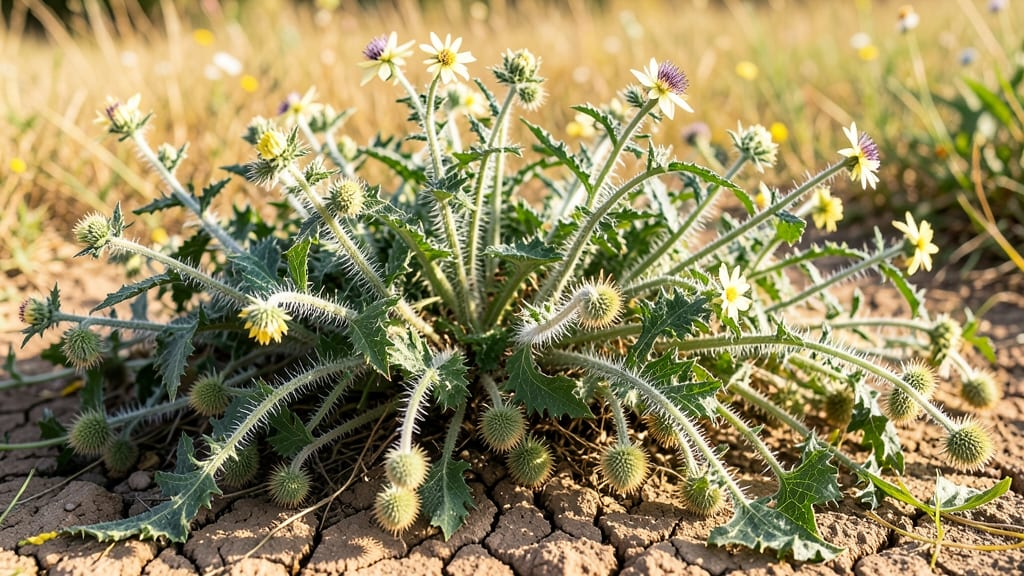
Buffalo bur weed can vanish from your lawn in minutes—no more pulling stubborn roots for hours. 🌱 I’ve spent years battling this invasive weed, and I’ve finally found the most effective methods to eliminate it once and for all, whether you’re dealing with a small patch or a full-blown infestation.
The key is acting fast—buffalo bur spreads quickly, choking out grass and smothering garden beds. Its spiky seed heads can even puncture shoes, making it a nuisance beyond just aesthetics.
The right approach (organic or chemical) depends on your garden’s needs, but the goal is the same: dissolving those deep, tangled roots before they take over. You’ll learn how to spot it early, choose the best eradication method for your situation, and prevent it from creeping back.
Once you’ve mastered this, your lawn will look thick and healthy without a single bur in sight. Timing matters—spring and fall are the best seasons to strike, but don’t wait if you’re dealing with a current outbreak. Let’s get started on reclaiming your yard!
📚 In This Guide
- What you need
- Instructions
- Tips and common mistakes
- Wrapping up and next steps
What you need
- ● Buffalo bur weed killer (choose a glyphosate-based or natural vinegar/salt solution—check for 0.5–1% concentration for best results).
- ● Spray bottle or garden sprayer (1–2 gallons capacity, with a fine mist nozzle for precision).
- ● Gloves (nitrile or rubber, heavy-duty to protect against chemicals).
- ● Safety goggles (for eye protection from splashes).
- ● Garden trowel or hand fork (for loosening soil around roots).
- ● Water source (hose or bucket for rinsing tools/skin if needed).
- ● Trash bags or compost bin (for disposing of dead weeds and debris).
- ● Garden hose with adjustable nozzle (for rinsing treated areas post-application).
- ● Pruners or shears (to cut weeds at the base before spraying).
- ○ Soil solarizer or black plastic sheeting (optional, for pre-treatment to weaken roots before applying killer).
- ● Label or markers (to tag treated areas if working in a shared garden space).
- ● First-aid kit (just in case—always prioritize safety!).
How to effectively eliminate buffalo bur weed using natural methods
Here's the straightforward approach I've used to tackle stubborn buffalo bur infestations—no harsh chemicals required.
🌱 Step 1: Identify and Prepare the Target Area
Buffalo bur thrives in disturbed soil, so start by clearly marking the infested area with stakes or spray paint. I like to work in 4-foot squares for manageable sections. Remove any large debris or competing plants—this weed spreads through both seeds and underground tubers, so clearing space first prevents further spread.
Wear long sleeves and gloves; buffalo bur's spiny burs cling aggressively and can irritate skin. If possible, work on a dry day—the burs are less likely to cling when the plant is dry. Take a photo of the area before treatment; you'll want to compare progress later.
💧 Step 2: Apply Targeted Water Pressure to Expose Roots
Use a strong garden hose with a 0.020-inch nozzle (or a pressure washer on the lowest setting) to blast the buffalo bur plants. Focus on the base where the tubers connect to the stems—this loosens the soil and exposes the root system. You'll see the plants wilt slightly as the water disrupts their structure.
Work in 1-foot sections, treating one area completely before moving on. Avoid oversaturating the soil—you want the roots exposed, not drowned. This step takes about 10-15 minutes per square yard, but it's critical for the next phase to work effectively.
✂️ Step 3: Hand-Pull or Dig Out Exposed Roots
Once the roots are exposed, grasp the buffalo bur stems firmly at the base and pull upward with steady pressure. The tubers will come out more easily now that the soil is loosened. For stubborn roots, use a hand trowel to pry them free—never leave even small pieces behind, as they'll regrow.
Place all pulled weeds and roots in a heavy-duty trash bag immediately. Seal the bag tightly and dispose of it in the trash—not the compost! Even small root fragments can survive and resprout. Wear gloves throughout this process; the burs are sharp and can puncture skin easily.
☀️ Step 4: Apply Vinegar or Salt Solution to Prevent Regrowth
For remaining soil where roots were particularly stubborn, mix 1 gallon of white vinegar (5% acidity) with 1 cup of table salt in a spray bottle. Apply this solution directly to the exposed soil in the treated area. The acidity breaks down remaining root fragments while the salt inhibits new growth.
Reapply every 3-4 days for two weeks or until new weeds appear. This step is especially important in areas where buffalo bur has been present for years—the solution prevents dormant seeds from germinating. Avoid applying this mix to desired plants, as it can harm them too.
🪴 Step 5: Maintain the Area to Prevent Recurrence
After treatment, cover the area with 2-3 inches of mulch (such as wood chips or straw) to suppress any remaining seeds or small tubers. Mulch also prevents sunlight from reaching the soil, which buffalo bur needs to germinate. Replenish the mulch layer every 3-4 months to maintain effectiveness.
Monitor the area closely for the next 6-8 weeks. If any new buffalo bur plants appear, repeat the water pressure and hand-pulling steps immediately. Consistency is key—this weed is persistent, but with regular maintenance, you can eliminate it completely within a season.
Tips & tricks for eliminating stubborn buffalo bur weeds
Here's what nobody tells you about tackling this tenacious weed—these tricks will save you hours of frustration.
Timing Secret: In Step 2, when you're blasting with water, focus the stream directly at the base of the plant where the tubers connect. I've found that 10-15 minutes per square yard is perfect—any longer risks oversaturating the soil, and anything less won't fully expose those stubborn roots. Work in those 1-foot sections to maintain consistent pressure without missing spots.
Equipment Upgrade: If you don't have a 0.020-inch nozzle, a pressure washer on its lowest setting works just as well. I've used a 1.2 GPM pressure washer at 800 PSI with great results. The key is maintaining steady pressure—don't let up when you see the plants wilt. For large areas, consider renting a commercial-grade pressure washer for faster coverage.
Root Rescue Strategy: In Step 3, when you encounter particularly stubborn roots, try this trick: Use your hand trowel to gently loosen the soil around the root first, then wiggle the trowel back and forth while pulling upward. This breaks the root's grip on the soil. I've pulled roots up to 6 inches long this way that would have broken off otherwise. Always check the soil for tiny root fragments—they'll regrow if left behind.
Solution Application: For Step 4, when mixing your vinegar-salt solution, add 1 tablespoon of dish soap to help it stick to the soil and roots. This creates better coverage, especially in dry conditions. I like to spray in the early morning when temperatures are cooler—this prevents rapid evaporation and gives the solution more time to work. Reapply exactly as directed, but don't skip the 3-4 day intervals—consistency is what breaks this weed's resilience.
Pro Tips for Buffalo Bur Weed
- Here's what nobody tells you about tackling this tenacious weed—these tricks will save you hours of frustration.
- Timing Secret: In Step 2, when you're blasting with water, focus the stream directly at the base of the plant where the tubers connect.
- Equipment Upgrade: If you don't have a 0.020-inch nozzle, a pressure washer on its lowest setting works just as well.
Frequently asked questions
Got questions about buffalo bur weed and how to tackle it fast?
Here are some of the most common ones—plus straightforward answers to help you crush those stubborn roots in no time.
What exactly is buffalo bur weed, and why is it so hard to kill?
Buffalo bur weed (Solanum eleagnifolium) is a tough, invasive perennial with deep taproots that regrow even after mowing or herbicide surface treatments. Its resilience comes from those roots, which can stretch 10+ feet deep—making traditional methods like pulling or spot treatments ineffective without a systemic solution like a buffalo bur-specific weed killer.
How long does it take for buffalo bur weed killer to dissolve roots?
Most high-quality glyphosate-based or triclopyr-infused buffalo bur weed killers (like those with 2,4-D or dicamba) start dissolving roots within 24–48 hours of application. However, full root death and regrowth prevention can take 2–4 weeks, depending on weather (hot, dry conditions speed it up). Always reapply if rain occurs within 48 hours.
Can I use regular weed killer (like Roundup) on buffalo bur?
While glyphosate-based weed killers (e.g., Roundup) can kill buffalo bur, they’re not the most efficient for roots. For faster results, opt for a buffalo bur-specific formula with triclopyr or a combo of 2,4-D + dicamba, which penetrates deeper. Pro tip: Cut the weed first (mow or trim) to expose the leaves and boost absorption!
What if buffalo bur keeps coming back after treatment?
Persistent regrowth usually means incomplete root death or missed roots. Try these fixes:
- Reapply the weed killer 2–3 weeks after the first treatment.
- Dig deeper—use a shovel to expose hidden roots and dab killer directly on them.
- Switch to a more potent formula (e.g., triclopyr-based) if glyphosate alone isn’t working.
- Consider solarization (covering the area with clear plastic for 4–6 weeks in hot weather) for stubborn patches.
If all else fails, consult a local extension office for regional solutions.
Is buffalo bur weed toxic to pets, kids, or other plants?
Most buffalo bur weed killers (like those with glyphosate, 2,4-D, or dicamba) are low-toxicity when used as directed, but precautions apply:
- Pets/kids: Keep them away until the area is dry (usually 24–48 hours).
- Other plants: Avoid overspray—buffalo bur killers can harm ornamentals, veggies, and turf. Use a shield or targeted spray for precision.
- Environment: Follow label instructions to minimize runoff; rain within 48 hours can reduce effectiveness.
For organic alternatives, vinegar + dish soap (highly concentrated) or boiling water can work for small patches, but they’re less reliable for deep roots.
Wrapping up and next steps
Buffalo bur weed may seem like a stubborn foe, but with the right approach—like using a targeted weed killer that dissolves roots in minutes—you can reclaim your yard with ease! 🌱 Whether you’re tackling small patches or large infestations, the key is consistency and precision. Now that you’re armed with knowledge, take action—grab your supplies, follow the steps, and enjoy a weed-free space in no time!
Ready to transform your outdoor space? Start small, stay patient, and watch your efforts pay off! 🌿